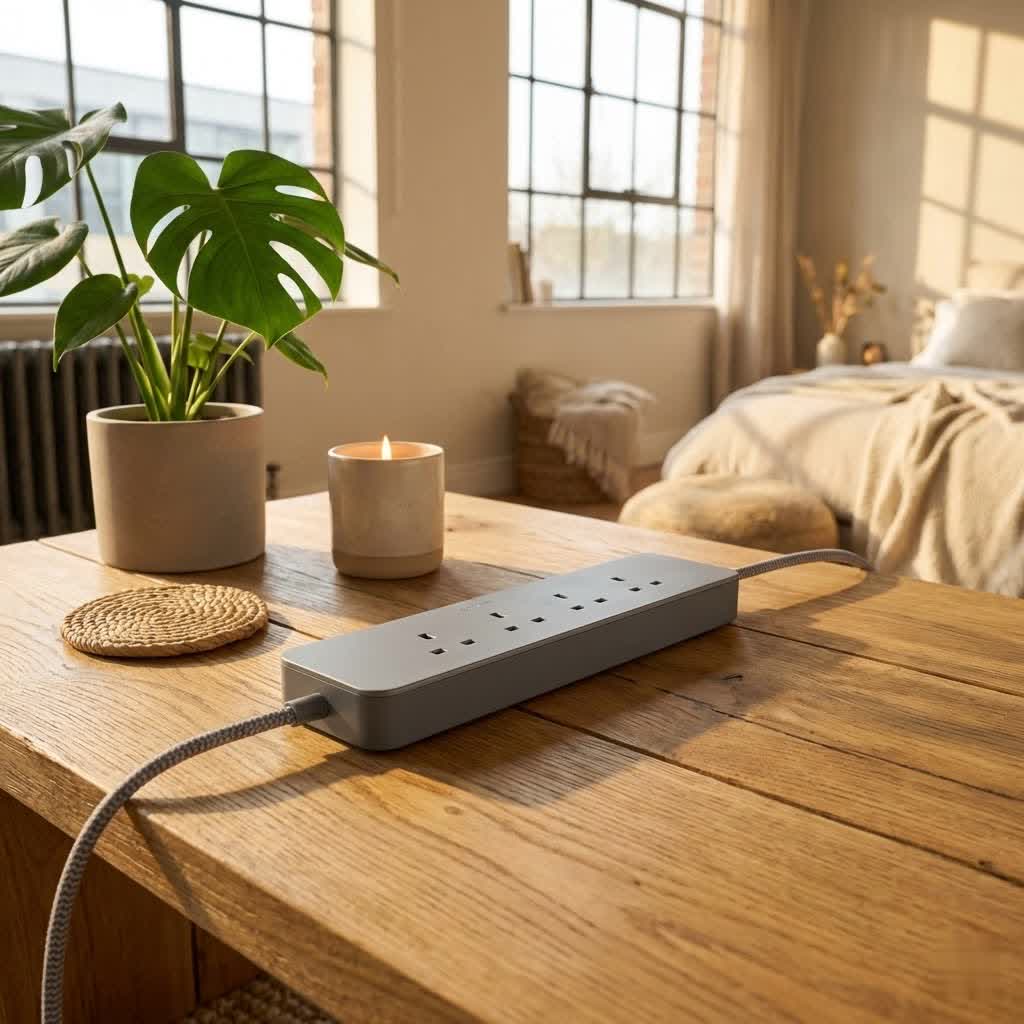
In today’s electrically charged homes and offices, managing a growing array of devices can feel like a constant battle. From charging phones to powering home entertainment systems, we rely heavily on electrical outlets. But what if you could not only expand your outlets but also intelligently control when your devices receive power? This is where power strips with timers become indispensable, offering a blend of convenience, energy savings, and enhanced home security. Imagine effortlessly cutting off power to idle electronics or having lights automatically illuminate your home, creating an illusion of occupancy even when you’re away.
What is a Power Strip with Timer? Why Do You Need One?
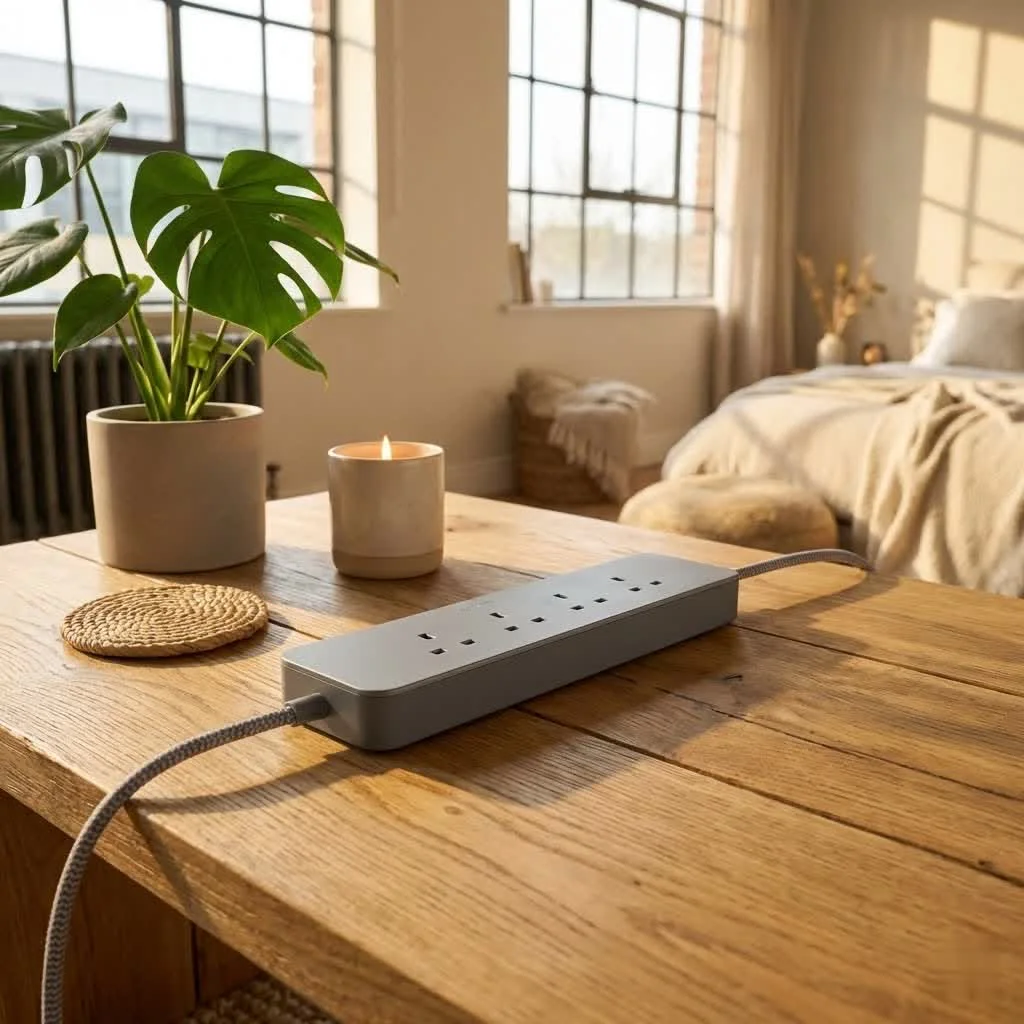
A power strip with a timer integrates multiple electrical outlets with a built-in mechanism to control power delivery based on a set schedule. Often referred to simply as a timer power strip or timed surge protector, it goes beyond a standard power strip by adding a layer of intelligent control to your electrical setup.
The importance of incorporating a power strip with a timer into your daily life is multifaceted. Primarily, it excels in energy conservation. Many electronic devices consume “phantom load” or “vampire power” even when turned off, subtly draining electricity. A timed power strip completely cuts power to these devices during scheduled off-periods, significantly reducing your energy consumption and lowering electricity bills. Secondly, they boost home security. By automating lights to turn on and off at varying times, you can simulate occupancy, deterring potential intruders. Thirdly, the convenience factor is immense. You can automate seasonal lighting, aquarium pumps, coffee makers, or charging stations to operate only when needed, simplifying your routine. Lastly, if equipped with surge protection, these strips safeguard your valuable electronics from damaging power fluctuations.
Categorizing Power Strips with Timers: Finding Your Perfect Match
Power strips with timers come in diverse forms, each suited for different levels of control and application. Understanding these categories is key to selecting the right one for your specific needs.
By Timer Type: Precision and Control
The core distinction lies in the type of timer mechanism employed:
- Mechanical Timers: These are the most traditional and often the most budget-friendly option. They feature a rotating dial with small, push-down pins, typically allowing you to set 15-minute ON/OFF intervals over a 24-hour cycle.
- Pros: Renowned for their reliability and ease of basic setup. They are straightforward, requiring no complex programming or Wi-Fi connection. Some mechanical models also include robust surge protection.
- Cons: Their limited flexibility is a drawback; they cannot be programmed for different days of the week or easily adjusted for events like daylight saving time. Some users might also notice a subtle whirring sound during operation.
- Digital Timers: Offering greater precision and programming versatility, digital timers feature an LCD screen and buttons for setting schedules. They typically allow for multiple ON/OFF programs per day across a 7-day week, programmable down to the minute.
- Pros: Highly flexible, enabling complex daily and weekly schedules. Many include a battery backup to retain settings during power outages and may offer features like a “random” mode for enhanced security.
- Cons: While more feature-rich, some digital timer power strips may surprisingly lack built-in surge protection, which is a crucial consideration for protecting sensitive electronics.
- Smart (Wi-Fi) Timers: Representing the cutting edge of timing technology, smart power strips connect to your home Wi-Fi network, allowing control via a smartphone app or voice assistants like Alexa and Google Assistant.
- Pros: Offer unparalleled flexibility, including individual outlet control, advanced scheduling (e.g., sunrise/sunset, geofencing), remote access, and sometimes energy consumption monitoring. They integrate seamlessly into smart home ecosystems.
- Cons: Generally the most expensive option. Their functionality depends on a stable Wi-Fi connection, and some users might find the initial setup slightly more involved. They often feature USB-A charging ports, though USB-C is becoming more common.
By Features & Design: Practical Considerations
|
Our Picks for the Best Power Strip in 2026
As an Amazon Associate I earn from qualifying purchases.
|
||
| Num | Product | Action |
|---|---|---|
| 1 | Amazon Basics Surge Protector Power Strip, 6-Outlet, 790 Joules, LED Indicator, 6ft Extension Cord, White |

|
| 2 | 3FT Ultra Flat Plug Extension Cord Power Strip with 3 Outlets, Patented Detachable Ultra-Thin Outlet Cover Concealer & Ultra-Flat Plug, Max. 13A 125V 1625W ETL Listed, White Color |
|
| 3 | Surge Protector Power Strip - CHCORE 5Ft Braided Extension Cord with 8 Outlets with 4 USB (2 USB C) Charging Ports, Flat Plug Multi Plug Outlet Extender Charging Station for Home Office, ETL, White |
|
| 4 | 10 Ft Ultra Thin Extension Cord, 5-Outlet Power Strip Surge Protector with 4 USB Ports (2 USB C), 1875W/15A, Low Profile Flat Plug, 1700 Joules, Wall Mount for Home Office, White |
|
| 5 | Belkin 12-Outlet Surge Protector Power Strip w/ 12 AC Outlets & 8ft Flat Plug, UL-listed Heavy-Duty Extension Cord for Home, Office, Travel, Computer, Laptop, Charger - 3,940 Joules of Protection |
|
| 6 | Pink Extension Cord with Surge Protector - 5 FT Kawaii Power Strip, Cute Extension Cord with 6 USB(3 USB C) and 8 Outlets, Pink Desk Accessories for Girl Cute Kawaii Room Decor Gifts Office Dorm Home |
|
| 7 | Amazon Basics Surge Protector Power Strip, 6-Outlet with 200J Protection, 2ft Extension Cord, Rectangle, Black (2 Pack) |
|
| 8 | 6 Ft Surge Protector Power Strip - 8 Widely Outlets with 4 USB Ports, 3 Side Outlet Extender with 6 Feet Extension Cord, Flat Plug, Wall Mount, Desk USB Charging Station, ETL,White |
|
| 9 | Amazon Basics Rectangle 6-Outlet, 600 Joule Surge Protector Power Strip, 2ft, Black, Small, 2-Pack |
|
| 10 | Surge Protector Power Strip - HANYCONY 8 Outlets 4 USB (2 USB C) Charging Ports, Multi Plug Outlet Extender, 5Ft Braided Extension Cord, Flat Plug Wall Mount Desk Charging Station for Home Office ETL |
|
Beyond the timer type, other features and design elements influence a power strip’s suitability:
- Number of Outlets: Power strips with timers commonly feature a mix of “timed” outlets (controlled by the timer) and “always-on” outlets (providing continuous power), offering versatility for different devices.
- Surge Protection: This is a critical safety feature, especially for valuable electronics like computers and home entertainment systems. Surge protectors divert excess voltage to ground, preventing damage from power spikes. It’s essential to verify if the power strip includes this feature, as some timer-focused models do not.
- USB Charging Ports: Many modern power strips, especially smart ones, include USB-A and sometimes USB-C ports for convenient charging of smartphones, tablets, and other gadgets, reducing the need for bulky adapters.
- Outdoor vs. Indoor Use: While most timer power strips are designed for indoor environments, specialized outdoor models are available. These are typically weatherproof and may incorporate features like photocell sensors to automatically turn on at dusk and off at dawn, ideal for holiday lights or garden features.
- Cable Length & Mounting Options: A longer power cord offers greater flexibility in placement. Many power strips also include mounting holes, allowing them to be securely affixed to walls or under desks, keeping your setup tidy.
Comparison Table of Popular Power Strip Timer Types
| Feature | Mechanical Timer Power Strip | Digital Timer Power Strip | Smart (Wi-Fi) Power Strip with Timer |
|---|---|---|---|
| Programming | 24-hour cycle, 15-min intervals | 7-day cycle, minute-by-minute, multiple presets | Daily/weekly, individual outlets, advanced automations, remote |
| Ease of Setup | Simple pins/dial | Button-based, LCD display | App-based, intuitive, voice control |
| Flexibility | Limited, manual adjustments | Good for recurring schedules | High, dynamic changes, geofencing |
| Surge Protection | Often included (e.g., BN-LINK models) | Varies (e.g., some GE models lack) | Often included (e.g., Kasa models) |
| Energy Monitoring | No | No | Some models offer power usage reports |
| Cost | Low | Medium | High |
| Common Uses | Simple lights, small appliances, fans | Lamps, holiday lights, aquariums, fans | Smart home devices, complex schedules, remote control |
How to Choose Your Ideal Power Strip with Timer: A Buying Guide
Selecting the perfect power strip with a timer requires careful consideration of your specific requirements and safety priorities.
1. Assess Your Needs
- Device Count & Power Requirements: Determine how many devices you need to power and whether they require continuous power or timed control. Check the wattage and amperage of your devices to ensure they don’t exceed the power strip’s maximum capacity.
- Location: Will the power strip be used indoors or outdoors? Outdoor applications demand weather-resistant, purpose-built models.
- Automation Level: Do you need simple daily on/off cycles, complex weekly schedules, or advanced smart home integration with remote and voice control? This will guide your choice between mechanical, digital, and smart options.
2. Prioritize Safety Features
- Surge Protection: For sensitive electronics like computers, TVs, and gaming consoles, a power strip with robust surge protection is essential. Look for a Joule rating (higher is better) and clamping voltage.
- Overload Protection: A built-in circuit breaker prevents overloads by automatically cutting power if the connected devices draw too much current.
- Fireproof Housing: Look for power strips made from high-quality, fire-resistant materials.
- Certifications: Ensure the product is UL listed, indicating it meets stringent safety standards.
3. Check Technical Specifications
- Maximum Power Rating: Confirm the power strip can handle the combined load of all connected devices (e.g., 15 Amps, 1800 Watts).
- Number of Outlets & Configuration: Verify the total number of outlets and how many are timed versus always-on.
- Cord Length: Consider the optimal cord length for your installation to avoid using extension cords with the power strip, which can pose a safety risk.
4. Consider Brand Reputation and User Reviews
Opt for reputable brands known for quality and reliability in electrical accessories. Read user reviews to gain insights into real-world performance, common issues, and customer satisfaction.
5. Budget
Mechanical timer power strips are typically the most affordable, followed by digital models. Smart Wi-Fi power strips, with their advanced features, generally come at a higher price point. Balance cost with the features and safety you require.
Top Power Strips with Timers You Should Consider
While specific model availability and features can change rapidly, here are general categories of highly-rated power strips with timers that cater to diverse user needs:
- For Basic, Reliable Timing: Look for robust mechanical timer power strips that offer a straightforward 24-hour cycle. These are excellent for simple tasks like automating indoor grow lights or seasonal decorations where complex scheduling isn’t necessary. Many good options include surge protection and a clear distinction between timed and always-on outlets.
- For Versatile Weekly Schedules: Digital timer power strips are ideal if you need to program different schedules for weekdays and weekends, or multiple on/off events throughout the day. Consider models with multiple programmable presets and a battery backup for settings, ensuring your schedule remains intact even after a power interruption.
- For Smart Home Integration and Advanced Control: Smart Wi-Fi power strips with timers are perfect for tech-savvy users who want ultimate control. These often feature individual outlet control via an app, voice assistant compatibility, and advanced automation options like geofencing or sunrise/sunset triggers. Some even provide energy monitoring, helping you track consumption.
- For Outdoor Applications: When automating outdoor lighting or pond pumps, seek out weatherproof timer power strips specifically designed for outdoor use. Many feature durable casings, ground stakes, and photocell sensors for dusk-to-dawn operation, along with countdown timer functions.
Essential Tips for Safe and Effective Power Strip Timer Use
To maximize the benefits and ensure the safety of your power strip with a timer, follow these crucial guidelines:
- Respect Load Limits: Never plug devices into your power strip that collectively exceed its stated maximum wattage or amperage. Overloading can lead to overheating, electrical fires, and damage to the strip and your devices.
- Mind the Environment: Use indoor-rated power strips only indoors, and keep them away from moisture, carpets, and flammable materials. For outdoor use, always select a power strip explicitly designed and rated for external conditions, with appropriate weatherproofing.
- Regular Inspections are Key: Periodically examine your power strip and its cords for any signs of wear, such as frayed wires, discolored outlets, loose connections, or unusual smells. Damage can compromise safety and lead to hazards.
- Replace When Old or Damaged: Power strips, especially those with surge protection, have a finite lifespan. If your power strip is old, shows signs of damage, or has endured a significant power surge, replace it promptly to maintain safety and performance.
- Ensure Devices are “On”: For the timer function to work correctly, the devices plugged into the timed outlets must be switched to their “ON” position. The power strip’s timer will then control the flow of electricity to these already-on devices.
Conclusion: Empower Your Home with Smart Timing
Integrating a power strip with a timer into your home or office setup is a simple yet powerful step towards greater convenience, energy efficiency, and security. By automating power delivery to your devices, you can effortlessly reduce wasted energy, safeguard electronics from surges, and create a more responsive living environment.
Whether you opt for the robust simplicity of a mechanical timer, the precise scheduling of a digital model, or the advanced intelligence of a smart Wi-Fi power strip, the benefits are clear. Take control of your energy consumption and enhance your peace of mind by choosing the right power strip with a timer for your needs and always prioritizing safe usage. What will you automate first in your home?
Frequently Asked Questions
What is the primary benefit of a power strip with a timer?
The primary benefit is energy efficiency, allowing you to automatically turn off devices when not in use, reducing standby power consumption and saving on electricity bills. It also enhances home security by automating lights to give a lived-in appearance, deterring potential intruders.
Can all outlets on a power strip with a timer be controlled by the timer?
No, many power strips with timers feature a combination of “timed” outlets that can be programmed and “always-on” outlets that provide continuous power. This offers flexibility, allowing you to control specific devices while others remain constantly powered.
Do power strips with timers offer surge protection?
Some models do include built-in surge protection, while others prioritize timing functions and lack this feature. It is crucial to check product specifications for surge protection ratings (like Joule rating and clamping voltage), especially when connecting sensitive or expensive electronics.
How do smart power strips with timers differ from traditional ones?
Smart power strips with timers connect to Wi-Fi, allowing control via a mobile app or voice assistants. They offer advanced scheduling, individual outlet control, remote access, and sometimes energy monitoring, providing greater flexibility and integration into smart home systems compared to mechanical or digital timers.
Is it safe to use an outdoor power strip with a timer in all weather conditions?
Outdoor power strips with timers are designed to be weather-resistant, but it’s essential to check their IP rating for specific protection against water and dust. Always ensure they are explicitly rated for outdoor use and installed according to the manufacturer’s safety guidelines to prevent electrical hazards.
Get our weekly buyer guide
Practical specs, not advice. Unsubscribe anytime.
