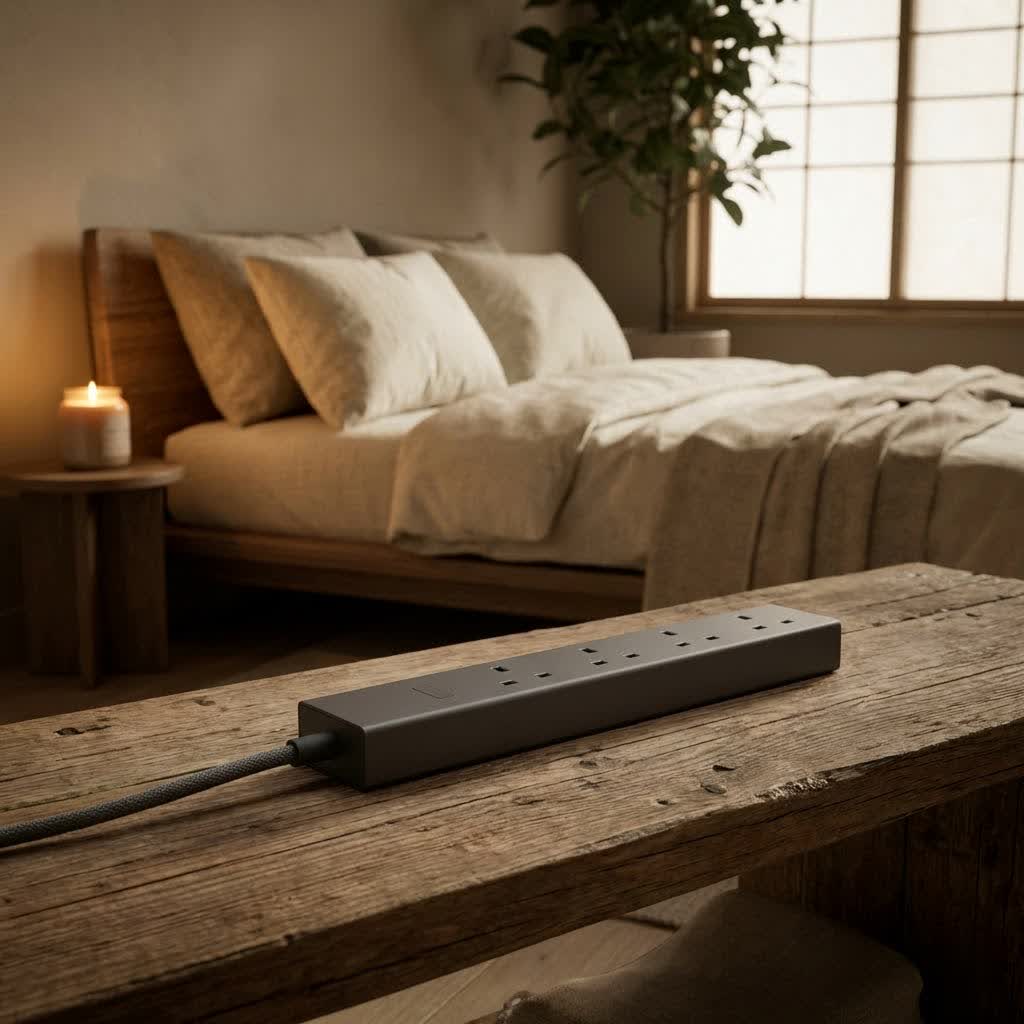
The longest power strips typically feature cords up to 25 feet, providing extended reach for multiple devices in homes, offices, and industrial settings. These essential tools eliminate the need for unsafe daisy-chained extension cords, offering centralized power far from a wall outlet. As an electrical equipment technician with over a decade of experience, I’ve observed the evolution of power strips into sophisticated devices that enhance safety and convenience.
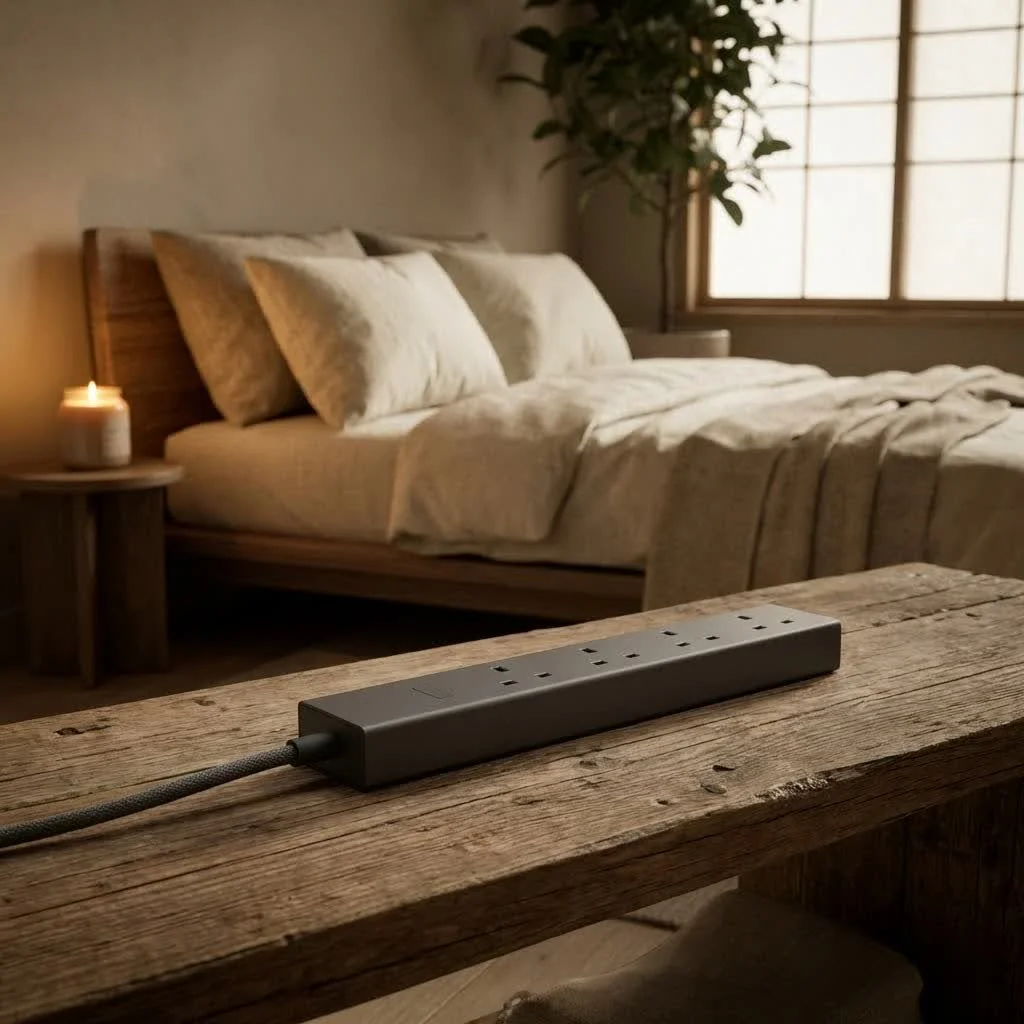
The Long Reach: Why a Long Power Strip is Essential
A power strip, also known as an extension socket or power board, expands the number of available electrical outlets from a single wall receptacle. While standard power strips offer convenience, those with extended cord lengths provide crucial reach. They eliminate the need for unsightly and often unsafe daisy-chained extension cords, offering a centralized power solution for multiple devices far from a wall outlet.
The importance of a long power strip is significant in scenarios like a sprawling home office, a multi-device entertainment center, a bustling workshop, or even an outdoor event (with an appropriately rated strip). They offer unparalleled flexibility in arranging your workspace or living area, allowing you to place equipment exactly where needed without being tethered to a nearby wall. Beyond convenience, they promote better cable management, reducing clutter and tripping hazards.
Understanding Long Power Strip Varieties
Long power strips come in various configurations, each suited for different applications. Understanding these types will help you choose the ideal solution.
By Cord Length: Finding Your Optimal Reach
“Longest” is a relative term in power strips, but common extended lengths typically include:
- 6-foot to 10-foot cords: These are popular for home offices, bedrooms, or small entertainment centers where a little extra reach is needed without excessive slack.
- 15-foot cords: Often considered the sweet spot for significant reach in larger rooms, workshops, or classrooms, offering ample flexibility. The CRST Heavy-Duty Power Strip is a notable example, often featuring a 15-foot cord designed for robust use.
- 25-foot cords: These are among the longest commercially available for typical multi-outlet power strips, ideal for industrial settings, large garages, or spaces where wall outlets are extremely scarce. The Tripp Lite Super725b and certain Plugable models offer substantial 25-foot cords.
By Features: Beyond the Basic Extension
Modern long power strips integrate several features that enhance safety, convenience, and functionality:
- Surge Protection: Crucial for sensitive electronics, surge protectors divert excess electrical voltage away from your devices during power spikes, such as those caused by lightning or utility fluctuations. This protection is measured in Joules; a higher Joule rating (e.g., 1,000 Joules or more) indicates greater capacity to absorb surges before failing. A power strip must have a Joule rating to be considered a surge protector.
- USB Charging Ports: Many long power strips now include integrated USB-A and USB-C ports, allowing you to charge smartphones, tablets, and other gadgets directly, reducing the need for bulky adapters.
- Heavy-Duty Construction: Power strips designed for demanding environments, like workshops, often feature robust casing, integrated circuit breakers, and, critically, thicker gauge cords. A lower AWG (American Wire Gauge) number signifies a thicker wire, which is safer and more efficient for longer cords and higher current loads. For example, a 14-gauge cord is superior to a 16-gauge for heavy use over long distances.
- Smart Features: Some long power strips incorporate smart technology, allowing for remote control of individual outlets, scheduling, and even energy monitoring via a smartphone app or voice assistant. While these features are highly convenient, strips with advanced smart capabilities may sometimes have slightly shorter cord options compared to non-smart counterparts.
- Other Design Elements: Look for features like flat-profile plugs that sit flush against the wall, widely spaced outlets to accommodate large power adapters (“wall warts”), and built-in cord organizers to manage excess length effectively.
Comparison of Long Power Strip Characteristics
| Feature | Standard Long Power Strip (6-10 ft) | Extra-Long Power Strip (15-25 ft) | Heavy-Duty Long Power Strip (15-25 ft) | Smart Long Power Strip (6-10 ft) |
|---|---|---|---|---|
| Cord Length | 6-10 feet | 15-25 feet | 15-25 feet | 6-10 feet (sometimes less for smart features) |
| Outlets | 6-8 AC outlets | 7-12+ AC outlets | 6-12+ AC outlets | 4-6 AC outlets, multiple USB ports |
| USB Ports | Optional (USB-A, USB-C) | Often includes USB-A/C | Less common, usually AC focused | Essential (USB-A, USB-C) |
| Surge Protection | Moderate (500-1500 Joules) | Good to High (1500-4000+ Joules) | High (2000+ Joules) | Moderate (often 1000-2000 Joules) |
| Cord Gauge (AWG) | Typically 16 AWG | Often 14 AWG | Robust 14 AWG (or lower) | Often 16 AWG |
| Special Features | Basic, flat plug | Wall-mountable, widely spaced outlets | Circuit breaker, rugged casing, cord holder | App control, scheduling, energy monitoring |
| Best For | Home offices, general room use | Larger rooms, media centers, workshops | Garages, construction sites, heavy tools | Modern homes, remote management |
Buying Guide: Key Considerations for Your Long Power Strip
Choosing the right long power strip involves more than just picking the longest cord. Here’s what you need to consider:
1. Assess Your Reach Needs
|
Our Picks for the Best Power Strip in 2026
As an Amazon Associate I earn from qualifying purchases.
|
||
| Num | Product | Action |
|---|---|---|
| 1 | 10 Ft Ultra Thin Extension Cord, 5-Outlet Power Strip Surge Protector with 4 USB Ports (2 USB C), 1875W/15A, Low Profile Flat Plug, 1700 Joules, Wall Mount for Home Office, White |

|
| 2 | Amazon Basics Surge Protector Power Strip, 6-Outlet, 790 Joules, LED Indicator, 6ft Extension Cord, White |
|
| 3 | Surge Protector Power Strip - CHCORE 5Ft Braided Extension Cord with 8 Outlets with 4 USB (2 USB C) Charging Ports, Flat Plug Multi Plug Outlet Extender Charging Station for Home Office, ETL, White |
|
| 4 | 3FT Ultra Flat Plug Extension Cord Power Strip with 3 Outlets, Patented Detachable Ultra-Thin Outlet Cover Concealer & Ultra-Flat Plug, Max. 13A 125V 1625W ETL Listed, White Color |
|
| 5 | Pink Extension Cord with Surge Protector - 5 FT Kawaii Power Strip, Cute Extension Cord with 6 USB(3 USB C) and 8 Outlets, Pink Desk Accessories for Girl Cute Kawaii Room Decor Gifts Office Dorm Home |
|
| 6 | Amazon Basics Rectangle 6-Outlet, 600 Joule Surge Protector Power Strip, 2ft, Black, Small, 2-Pack |
|
| 7 | Surge Protector Power Strip - HANYCONY 8 Outlets 4 USB (2 USB C) Charging Ports, Multi Plug Outlet Extender, 5Ft Braided Extension Cord, Flat Plug Wall Mount Desk Charging Station for Home Office ETL |
|
| 8 | Amazon Basics Surge Protector Power Strip, 6-Outlet with 200J Protection, 2ft Extension Cord, Rectangle, Black (2 Pack) |
|
| 9 | Belkin 12-Outlet Surge Protector Power Strip w/ 12 AC Outlets & 8ft Flat Plug, UL-listed Heavy-Duty Extension Cord for Home, Office, Travel, Computer, Laptop, Charger - 3,940 Joules of Protection |
|
| 10 | 6 Ft Surge Protector Power Strip - 8 Widely Outlets with 4 USB Ports, 3 Side Outlet Extender with 6 Feet Extension Cord, Flat Plug, Wall Mount, Desk USB Charging Station, ETL,White |
|
Measure the distance from your wall outlet to where your devices will be. Account for furniture, corners, and potential routing paths. A cord that is too short is useless, while one that is excessively long can create tripping hazards and unwanted clutter.
2. Count Your Devices and Outlet Types
Determine the exact number of AC outlets required. Factor in future expansion. If you have many devices that charge via USB, prioritize power strips with multiple high-amperage USB-A and USB-C ports.
3. Prioritize Safety Features
Safety is paramount, especially with longer cords:
- Surge Protection (Joules): For valuable electronics like computers, TVs, and gaming consoles, opt for a power strip with a high Joule rating, ideally 1000 Joules or more. This indicates a greater capacity to withstand power surges.
- Overload Protection: An integrated circuit breaker (often a reset button) is vital. It automatically shuts off power if too many devices are plugged in, preventing overheating and potential fires. Power strips with 15-amp circuit breakers are common and recommended.
- Cord Gauge (AWG): For longer cords (10 feet or more) and setups involving multiple devices or higher-power equipment, look for a thicker wire, indicated by a lower AWG number (e.g., 14 AWG instead of 16 AWG). Thicker wires can handle more current and are less prone to overheating, enhancing safety over extended distances.
- UL Certification: Always check for certification from a recognized safety organization like UL (Underwriters Laboratories). This verifies that the product meets stringent safety standards for fire and electrical shock hazards.
4. Consider Design and Form Factor
Look for practical design elements such as widely spaced outlets to accommodate bulky power adapters without blocking adjacent sockets. Flat-profile plugs can be beneficial when plugging into an outlet behind furniture, allowing it to sit closer to the wall. Wall-mountable designs can also help keep surfaces tidy.
5. Evaluate Connected Equipment Warranties
Some reputable manufacturers offer warranties that cover equipment damaged by a power surge while properly connected to their surge protector. While these claims can sometimes be challenging, they offer an extra layer of peace of mind for expensive electronics.
Top Long Power Strips for Every Need
While specific product recommendations are outside this article’s scope, consider common types that excel in providing extended reach:
- For the Workshop or Garage: Look for heavy-duty power strips with 15-foot or 25-foot 14-gauge cords, high Joule ratings, and integrated circuit breakers. These are built to withstand tougher environments.
- For the Home Office/Entertainment Center: A 10-foot or 15-foot surge protector with numerous outlets and multiple USB-A/USB-C ports offers excellent versatility and protection for your tech ecosystem.
- For Smart Home Integration: While cords might be slightly shorter (e.g., 6 feet), smart power strips that offer app control and energy monitoring can be incredibly useful for managing devices from afar.
Tips for Safe and Effective Long Power Strip Use
Using a long power strip effectively and safely is critical to prevent electrical hazards.
- Avoid Overloading: Never plug devices that exceed the power strip’s maximum amperage or wattage rating. Overloading can cause the strip to overheat, trip its circuit breaker, or even lead to a fire. High-power appliances like space heaters, microwaves, toasters, and hair dryers should generally be plugged directly into a wall outlet, not a power strip.
- Proper Placement: Keep the power strip and its cord visible and accessible. Never run the cord under carpets, rugs, or heavy furniture. This can trap heat, damage the wire insulation, and create a fire hazard. Ensure adequate ventilation around the strip.
- No Daisy-Chaining: Never plug one power strip into another power strip or an extension cord. This practice significantly increases the risk of overloading and fire.
- Indoor vs. Outdoor Use: Only use power strips specifically rated for outdoor use in outdoor environments. Indoor power strips are not designed to withstand moisture or extreme temperatures.
- Regular Inspection: Periodically check the power strip and its cord for any signs of damage, such as frayed wires, discolored outlets, loose connections, or a burning smell. Replace any damaged power strip immediately.
- Unplug When Not in Use: If devices are not actively being used, unplug them from the power strip. This reduces the risk of electrical hazards and conserves energy.
- Avoid Permanent Wiring Substitute: Power strips are generally intended for temporary solutions, not as a replacement for permanent electrical wiring. If you consistently need power in a certain area, consider having an electrician install additional wall outlets.
Conclusion
The longest power strips are invaluable tools for today’s power-hungry world, offering unparalleled flexibility and convenience by extending your power reach. From managing extensive office setups to powering a garage workbench, the right long power strip can improve your space. However, convenience must always be balanced with safety. By understanding the different types, carefully considering specifications like cord gauge and Joule rating, and adhering to strict safety guidelines, you can ensure your electrical setup remains efficient and hazard-free. Choosing wisely and using responsibly will empower you to connect all your devices with confidence and peace of mind.
What experiences have you had with long power strips, and what safety tips would you add?
Frequently Asked Questions
What is the maximum length for a power strip cord?
While standard power strips typically range from 3 to 6 feet, you can find “longest” power strips with cords up to 25 feet, and sometimes even longer in heavy-duty or industrial-grade models designed for specific applications.
Can I use a long power strip for high-power devices?
It is generally not recommended to plug high-power appliances like space heaters, microwaves, or hair dryers into any power strip, regardless of its cord length. These devices draw significant current and should be plugged directly into a wall outlet to prevent overloading.
How often should I replace a surge protector power strip?
Surge protectors don’t last forever. Their protective capabilities diminish with each surge event. It’s generally recommended to replace them every few years, or sooner if you live in an area prone to frequent power surges or lightning storms.
What is cord gauge (AWG) and why does it matter for long power strips?
Cord gauge, indicated by AWG (American Wire Gauge), refers to the thickness of the wire inside the cord. A lower AWG number (e.g., 14 AWG) means a thicker wire. For longer power strips, a thicker gauge is crucial because it reduces resistance, allowing more power to flow safely without overheating, especially when multiple devices are connected.
Is it safe to run a long power strip under furniture?
No, it is unsafe to run a power strip cord under carpets, rugs, or heavy furniture. This can damage the cord, trap heat, and prevent proper ventilation, leading to a fire hazard. Always keep power strip cords visible and unobstructed.
Frequently Asked Questions
What is the maximum length for a power strip cord?
The maximum length for commercially available power strip cords is typically 25 feet, though some heavy-duty or industrial models can be longer. Standard power strips usually range from 3 to 6 feet.
Can I use a long power strip for high-power devices?
No, it is generally not recommended to plug high-power appliances like space heaters, microwaves, or hair dryers into any power strip, regardless of its cord length. These devices draw significant current and should be plugged directly into a wall outlet to prevent overloading and potential fire hazards.
How often should I replace a surge protector power strip?
Surge protectors should be replaced every few years, or sooner if you live in an area with frequent power surges or lightning storms. Their protective capabilities diminish with each surge event, reducing their effectiveness over time.
What is cord gauge (AWG) and why does it matter for long power strips?
Cord gauge, indicated by AWG (American Wire Gauge), refers to the thickness of the wire. A lower AWG number, such as 14 AWG, signifies a thicker wire. For longer power strips, a thicker gauge is crucial because it reduces electrical resistance, allowing more power to flow safely without overheating, especially when multiple devices are connected.
Is it safe to run a long power strip under furniture?
No, it is unsafe to run a power strip cord under carpets, rugs, or heavy furniture. This practice can damage the cord's insulation, trap heat, and prevent proper ventilation, significantly increasing the risk of a fire hazard. Always keep power strip cords visible and unobstructed.
How to Choose a Long Power Strip
Selecting the right long power strip involves assessing your needs, prioritizing safety features, and considering design elements for optimal functionality.
Measure the exact distance from your wall outlet to where your devices will be located. Remember to account for furniture, corners, and any potential routing paths. Choosing a cord that is too short will be ineffective, while an excessively long one can create tripping hazards and clutter.
Determine the precise number of AC outlets required for your current devices and consider any future expansion. If you have many gadgets that charge via USB, prioritize power strips that include multiple high-amperage USB-A and USB-C ports to reduce the need for bulky adapters.
Look for power strips with a high Joule rating (1000+ Joules) for surge protection, an integrated 15-amp circuit breaker for overload protection, and a lower AWG number (e.g., 14 AWG) for thicker, safer cords. Always verify UL Certification to ensure the product meets stringent safety standards.
Evaluate practical design elements such as widely spaced outlets to accommodate large power adapters without blocking adjacent sockets. Flat-profile plugs are beneficial for outlets behind furniture, and wall-mountable designs can help maintain a tidy space.
Some reputable manufacturers offer warranties that cover equipment damaged by a power surge when properly connected to their surge protector. While claims can be challenging, these warranties provide an extra layer of peace of mind for expensive electronics.
Get our weekly buyer guide
Practical specs, not advice. Unsubscribe anytime.

I got one of the longer power strips for my living room to hide the cords better, and it does the job. The cord length is great for reaching behind furniture. However, I found that the outlets are a bit too close together for some of my bulkier plugs, which is a bit annoying. It’s not a dealbreaker, but something to consider if you have a lot of large adapters.
As someone who deals with a lot of electronics, I appreciate the emphasis on safety and convenience. The industrial-grade options with surge protection are perfect for my server rack at home. It’s good to know I’m protecting my valuable equipment from power spikes. This really helped me narrow down the best choice for my specific needs.
I’ve been looking for a power strip with a really long cord for my workshop, and the 25-foot options mentioned here are exactly what I needed. It’s so much safer than chaining together multiple extension cords, which I used to do. Now I can power all my tools from one central spot without any hassle. Definitely a game-changer for my setup.
This was super helpful in finding a good power strip for my home office. I needed something that could reach across the room without being an eyesore. The advice about avoiding daisy-chained cords really hit home, as I’ve been guilty of that in the past. My only minor complaint is that I wish there were more options with USB-C ports built-in, but overall, I’m happy with my purchase.