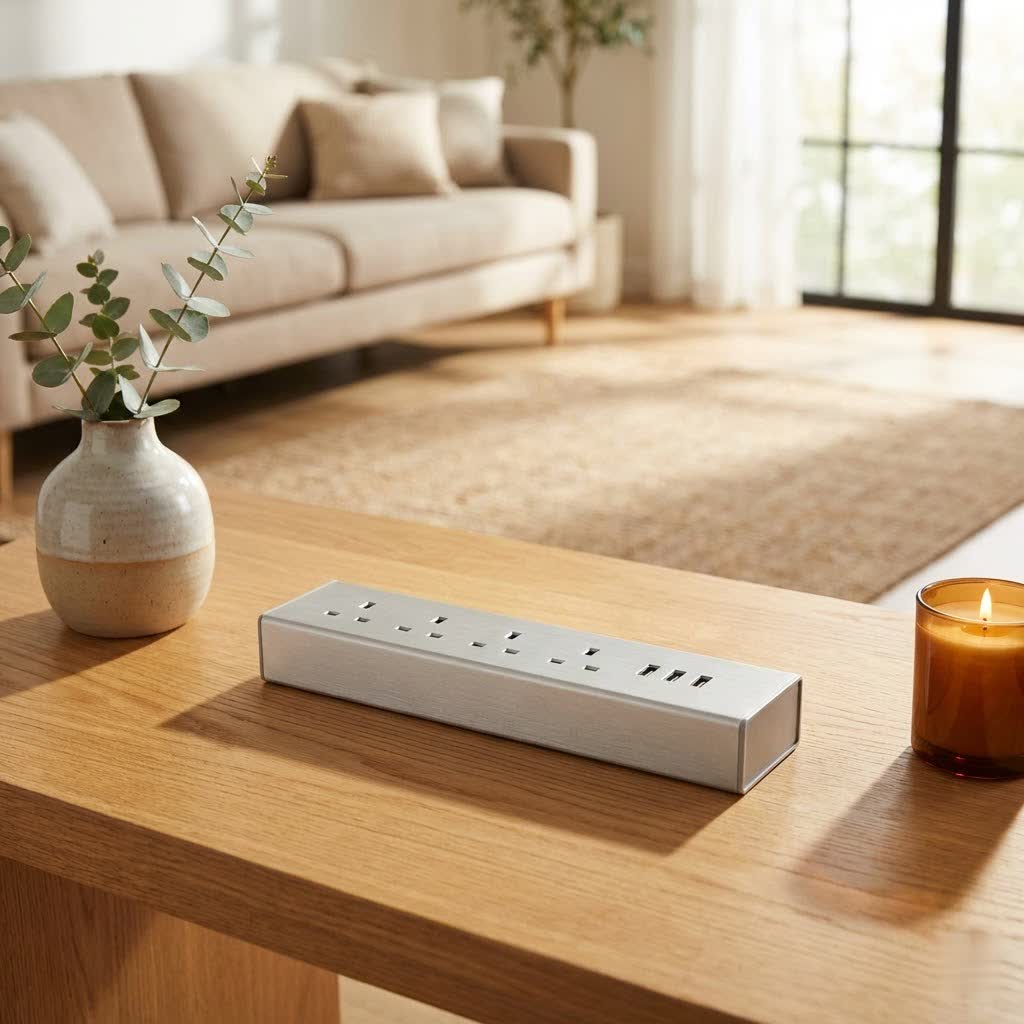
In today’s fast-paced digital landscape, the stability and efficiency of IT infrastructure are paramount. At the heart of every robust data center and server room lies a critical, yet often overlooked, component: the server cabinet power strip. While seemingly simple, these devices, more accurately referred to as Power Distribution Units (PDUs), are the lifelines that ensure your valuable servers, networking equipment, and storage devices receive consistent, reliable power. Without proper power distribution, even the most advanced hardware is vulnerable to disruptions, downtime, and costly failures. This comprehensive guide will delve into the world of server cabinet power strips, exploring their essential role, diverse types, key features, and best practices to help you optimize your IT environment for performance and longevity.
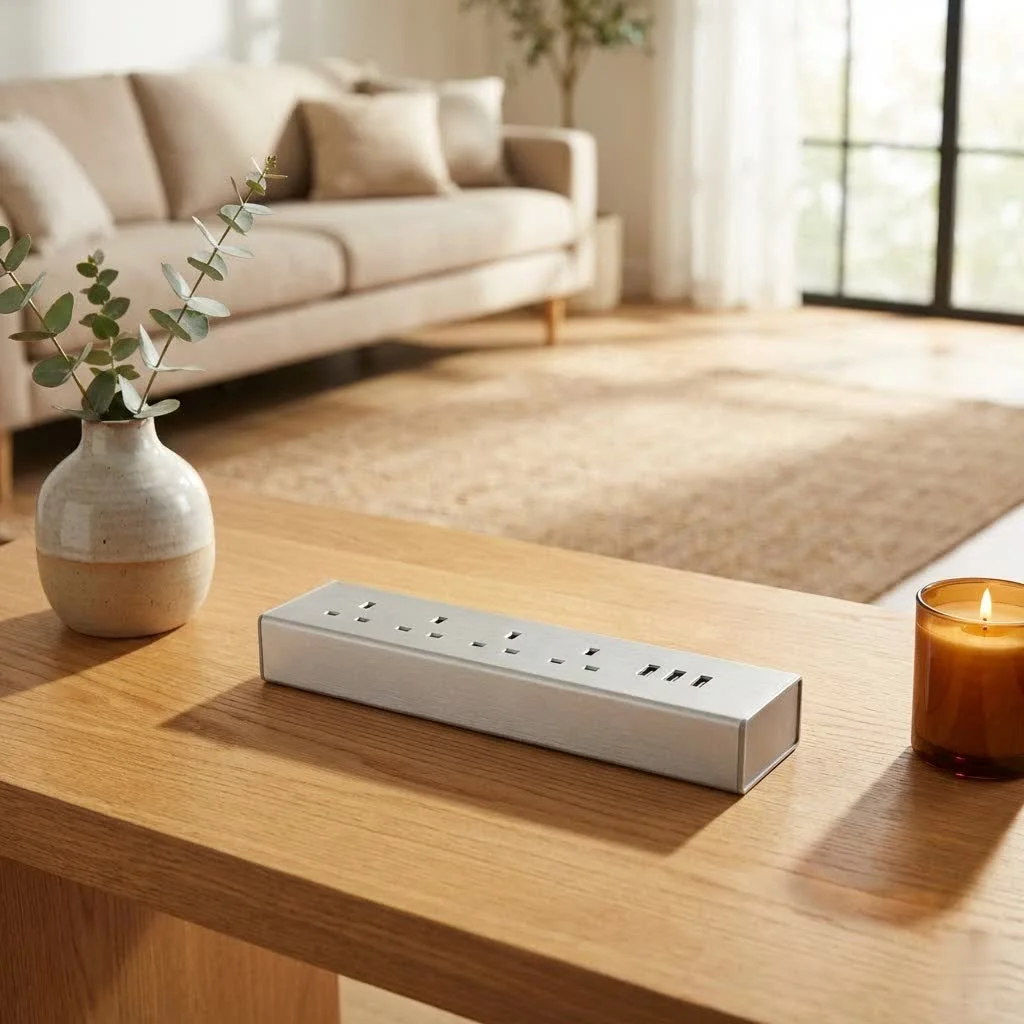
What is a Server Cabinet Power Strip (PDU)? Why Are They Crucial?
A server cabinet power strip, commonly known as a Power Distribution Unit (PDU), is a specialized device designed to efficiently distribute electrical power to multiple pieces of equipment within a server rack or cabinet. Unlike a typical household power strip, which offers basic multi-outlet functionality, PDUs are engineered for the rigorous demands of IT environments. They provide a safe and organized way to manage the power supply to critical hardware such as servers, switches, routers, and storage arrays.
The importance of PDUs in a data center or server room cannot be overstated. They are crucial for several reasons: they provide reliable power, often with higher voltage and amperage ratings than standard strips; they offer essential safety features like surge and overload protection to safeguard sensitive equipment; they help manage power consumption efficiently; and they are specifically designed for rack integration, minimizing cable clutter and maximizing space. Effective power distribution directly impacts uptime, operational costs, and the overall longevity of your IT assets.
Types of Server Cabinet Power Strips (PDUs): Finding Your Ideal Match
Server cabinet power strips, or PDUs, come in a wide array of configurations, each designed to meet specific power distribution and management needs. Understanding the different types is key to selecting the most suitable solution for your IT infrastructure.
By Functionality
- Basic PDUs: These are the most straightforward type, offering reliable AC power distribution to multiple devices without advanced monitoring or control features. They are cost-effective for environments where only basic power delivery is required.
- Metered PDUs: Building on basic functionality, metered PDUs include local digital displays (ammeters) that allow IT staff to monitor current draw. This helps in load balancing and preventing localized overloads within the rack, optimizing power usage.
- Monitored PDUs: These units take monitoring a step further by including a network interface. This enables remote monitoring of the PDU’s total power consumption and environmental conditions (such as temperature and humidity, often with optional sensors) through a web browser or network management system.
- Switched PDUs: Switched PDUs incorporate all the features of monitored PDUs but add the crucial ability to remotely control power to individual outlets. This means administrators can remotely power cycle unresponsive equipment or switch off unused outlets, significantly improving response times and reducing the need for on-site intervention.
- Intelligent/Smart PDUs: These are the most advanced PDUs, combining comprehensive real-time monitoring (current, voltage, power, environmental factors), remote outlet-level control, and often integration with Data Center Infrastructure Management (DCIM) software. Smart PDUs offer detailed analytics, automated alerts, and advanced power sequencing capabilities, making them vital for optimizing energy efficiency, capacity planning, and maintaining high availability in modern data centers.
- Automatic Transfer Switch (ATS) PDUs: Designed for redundancy, ATS PDUs have dual power inputs and can automatically switch power sources for single-corded devices if the primary source fails or becomes unstable. This ensures continuous operation and minimizes downtime.
By Mounting
|
Our Picks for the Best Power Strip in 2026
As an Amazon Associate I earn from qualifying purchases.
|
||
| Num | Product | Action |
|---|---|---|
| 1 | Amazon Basics Rectangle 6-Outlet, 600 Joule Surge Protector Power Strip, 2ft, Black, Small, 2-Pack |

|
| 2 | Surge Protector Power Strip - HANYCONY 8 Outlets 4 USB (2 USB C) Charging Ports, Multi Plug Outlet Extender, 5Ft Braided Extension Cord, Flat Plug Wall Mount Desk Charging Station for Home Office ETL |
|
| 3 | Surge Protector Power Strip - CHCORE 5Ft Braided Extension Cord with 8 Outlets with 4 USB (2 USB C) Charging Ports, Flat Plug Multi Plug Outlet Extender Charging Station for Home Office, ETL, White |
|
| 4 | 10 Ft Ultra Thin Extension Cord, 5-Outlet Power Strip Surge Protector with 4 USB Ports (2 USB C), 1875W/15A, Low Profile Flat Plug, 1700 Joules, Wall Mount for Home Office, White |
|
| 5 | Amazon Basics Surge Protector Power Strip, 6-Outlet with 200J Protection, 2ft Extension Cord, Rectangle, Black (2 Pack) |
|
| 6 | 6 Ft Surge Protector Power Strip - 8 Widely Outlets with 4 USB Ports, 3 Side Outlet Extender with 6 Feet Extension Cord, Flat Plug, Wall Mount, Desk USB Charging Station, ETL,White |
|
| 7 | Pink Extension Cord with Surge Protector - 5 FT Kawaii Power Strip, Cute Extension Cord with 6 USB(3 USB C) and 8 Outlets, Pink Desk Accessories for Girl Cute Kawaii Room Decor Gifts Office Dorm Home |
|
| 8 | 3FT Ultra Flat Plug Extension Cord Power Strip with 3 Outlets, Patented Detachable Ultra-Thin Outlet Cover Concealer & Ultra-Flat Plug, Max. 13A 125V 1625W ETL Listed, White Color |
|
| 9 | Belkin 12-Outlet Surge Protector Power Strip w/ 12 AC Outlets & 8ft Flat Plug, UL-listed Heavy-Duty Extension Cord for Home, Office, Travel, Computer, Laptop, Charger - 3,940 Joules of Protection |
|
| 10 | Amazon Basics Surge Protector Power Strip, 6-Outlet, 790 Joules, LED Indicator, 6ft Extension Cord, White |
|
- Horizontal PDUs (1U/2U): These units are designed to be mounted horizontally within the server rack, typically occupying 1U or 2U of rack space. They generally offer fewer outlets due to their compact form factor.
- Vertical PDUs (0U): Vertical PDUs are mounted along the side or rear of the server cabinet, effectively taking up “zero U” (0U) of valuable rack space. Their longer design allows for a significantly higher number of outlets, making them ideal for high-density racks.
By Power Phase
- Single-Phase PDUs: Common in smaller server rooms and offices, these PDUs distribute power from a single-phase electrical supply.
- Three-Phase PDUs: Essential for high-density data centers and environments with substantial power requirements, three-phase PDUs distribute power across three alternating current (AC) phases, allowing for greater power delivery and more efficient load balancing.
Comparing Server Cabinet Power Strips (PDUs)
| PDU Type | Monitoring Capabilities | Remote Control (Outlet Level) | Surge Protection | Overload Protection | Typical Cost | Ideal Use Case |
|---|---|---|---|---|---|---|
| Basic PDU | None | No | Often Optional | Yes | Low | Small offices, non-critical applications |
| Metered PDU | Local (PDU level) | No | Often Optional | Yes | Moderate | Server rooms needing basic load awareness |
| Monitored PDU | Remote (PDU level) | No | Often Included | Yes | Moderate-High | Mid-sized data centers, remote locations |
| Switched PDU | Remote (PDU level) | Yes | Often Included | Yes | High | Data centers needing remote power cycling/control |
| Intelligent PDU | Remote (Outlet & PDU level), Environmental | Yes | Yes | Yes | Premium | High-density data centers, critical infrastructure |
| ATS PDU | Varies | No | Often Included | Yes | High | Ensuring redundancy for single-corded devices |
Choosing the Right Server Cabinet Power Strip (PDU): Key Considerations
Selecting the optimal server cabinet power strip (PDU) is a critical decision that impacts the performance, safety, and efficiency of your entire IT infrastructure. Here are the key factors you need to consider to make an informed choice:
Assess Your Power Needs
Start by accurately calculating the total power consumption of all devices you plan to connect to the PDU. It’s crucial to add extra headroom for future growth and to ensure stability. A common guideline is the 80% rule: never exceed 80% of the PDU’s total rated capacity to prevent overloads and ensure optimal performance. This calculation should consider voltage (Volts), current (Amps), and power (Watts or VA) of your equipment.
Understand Voltage and Phase Requirements
Your PDU must be compatible with your facility’s electrical supply. Determine whether your environment uses single-phase or three-phase power, as well as the specific input voltage (e.g., 120V, 208V, 240V, 400V). The PDU’s input plug type (e.g., NEMA, IEC 309) must also match your available power receptacles. Three-phase PDUs are essential for high-density data centers requiring substantial power.
Outlet Configuration
Consider both the number and type of outlets you need. Common outlet types include IEC C13 for servers and C19 for higher-power devices. Some advanced PDUs offer versatile “Cx” outlets that can accommodate both C14 and C20 plugs, providing flexibility. Adequate outlet spacing is also important to prevent larger power bricks from blocking adjacent ports. A vertical PDU often provides a higher outlet density without consuming valuable rack U-space.
Safety Features
Robust safety features are non-negotiable for protecting expensive IT equipment. Look for PDUs with:
- Surge Protection: To shield devices from sudden voltage spikes caused by lightning or power fluctuations.
- Overload Protection: Typically in the form of circuit breakers, these prevent damage by automatically cutting power if the current draw exceeds safe limits. Resettable breakers are preferable for quicker recovery.
Management Capabilities
The level of monitoring and control you need will significantly influence your PDU choice:
- Local vs. Remote Monitoring: Basic PDUs offer no monitoring, metered provide local displays, while monitored and intelligent PDUs offer remote access to power usage data.
- Remote Outlet Switching/Rebooting: Switched and intelligent PDUs allow you to remotely power cycle individual outlets, which is invaluable for troubleshooting and managing unresponsive equipment without physical presence.
- Environmental Monitoring: Advanced PDUs can integrate with sensors to monitor temperature and humidity within the rack, alerting you to potential overheating issues before they cause damage.
- DCIM Integration: For large-scale data centers, PDUs that integrate with Data Center Infrastructure Management (DCIM) software provide centralized visibility and control over power infrastructure.
Mounting and Form Factor
Decide whether a horizontal (1U/2U) or vertical (0U) mounting solution best fits your rack layout. Vertical PDUs conserve rack space and typically offer more outlets. Consider the length of the PDU’s input cord for flexible placement and look for features like cord retention brackets to prevent accidental disconnections.
Reliability and Brand Reputation
Invest in PDUs from reputable manufacturers known for quality and reliability. Research their uptime track record, Mean Time Between Failures (MTBF) ratings, warranty policies, and customer support. A reliable PDU is a long-term investment in your IT infrastructure’s stability.
Top-Rated Server Cabinet Power Strips (PDUs) on the Market
While specific model recommendations can change frequently with new product releases, several key characteristics define the top-rated server cabinet Power Distribution Units (PDUs) available today. Leading brands in the market consistently offer solutions that prioritize reliability, efficiency, and advanced management capabilities.
High-quality PDUs often feature a robust build, designed to withstand the demanding conditions of data centers. They typically include high-density outlet configurations, sometimes with innovative hybrid C13/C19 outlets to maximize connectivity flexibility. Advanced models frequently boast comprehensive monitoring at both the PDU and individual outlet levels, providing real-time data on current, voltage, and power consumption. This detailed insight is crucial for capacity planning and optimizing energy use.
Furthermore, top-tier PDUs offer sophisticated remote management capabilities, allowing IT professionals to remotely power cycle outlets, set alert thresholds for power anomalies, and integrate with existing Data Center Infrastructure Management (DCIM) platforms. Environmental monitoring, such as temperature and humidity sensors, is also a common feature, helping to prevent equipment damage from adverse conditions. Look for units that emphasize strong surge and overload protection, ensuring the safety of your connected devices against electrical fluctuations. Ultimately, the best PDUs provide a combination of robust hardware, intelligent software, and high-level security to maintain the continuous, efficient operation of critical IT infrastructure.
Best Practices for Safe and Efficient Server Cabinet PDU Use
To maximize the lifespan of your server cabinet power strips (PDUs) and ensure the safety and efficiency of your IT environment, adherence to best practices is essential.
Firstly, never exceed the rated capacity of your PDU. Always follow the 80% rule, ensuring that the total current draw of connected equipment does not surpass 80% of the PDU’s maximum capacity. This prevents overloading, minimizes the risk of circuit trips, and prolongs the PDU’s operational life.
Proper grounding is fundamental. Ensure that your PDU is correctly grounded to prevent electrical shocks and protect equipment from transient voltages. Regularly inspect all power cords and the PDU itself for any signs of wear, fraying, or damage. Replace any compromised components immediately to prevent electrical hazards.
Effective cable management is crucial for maintaining optimal airflow and preventing accidental disconnections. Use cable ties, Velcro straps, and designated cable management accessories to route cords neatly within the server cabinet. This also makes troubleshooting and maintenance much easier.
If your PDU offers monitoring and alert features, utilize them fully. Configure alerts for over-current, under-voltage, or environmental thresholds (like high temperature) to receive proactive notifications of potential issues. Regularly review power consumption data to identify inefficiencies and optimize load distribution across your PDUs.
Finally, avoid daisy-chaining multiple PDUs unless the manufacturer explicitly designs the units for this purpose. Connecting one PDU into another can create an unsafe electrical load and bypass crucial safety mechanisms, leading to potential overloads and equipment damage. When a PDU reaches the end of its service life or shows signs of significant wear, replace it promptly.
Conclusion
Server cabinet power strips, more accurately known as Power Distribution Units (PDUs), are indispensable components of any modern IT infrastructure. They transcend the basic functionality of household power strips, offering specialized features crucial for the safe, efficient, and reliable operation of servers, networking equipment, and storage devices. From basic power distribution to advanced intelligent units with remote control and environmental monitoring, choosing the right PDU involves careful consideration of power requirements, safety features, management capabilities, and physical form factor.
By understanding the various types of PDUs and implementing best practices for their selection and use, IT professionals can significantly enhance system uptime, optimize energy consumption, and safeguard valuable hardware investments. A well-chosen and properly managed PDU not only delivers essential power but also serves as a critical tool for informed capacity planning and proactive problem-solving within dynamic data center environments. Investing in the right power distribution solution is an investment in the resilience and scalability of your digital backbone. What advancements in server cabinet power management are you most excited about for future data centers?
Frequently Asked Questions
What is the difference between a PDU and a standard power strip?
A PDU (Power Distribution Unit) is specifically designed for IT environments, offering features like higher power capacity, rack-mounting, advanced surge/overload protection, and often remote monitoring/control. A standard power strip is for general household or office use with basic outlets and fewer safety features, making it unsuitable for critical IT equipment.
Why are Intelligent PDUs becoming so popular?
Intelligent PDUs are gaining popularity due to their ability to provide real-time power monitoring, remote management, environmental sensing, and outlet-level control. These features enhance energy efficiency, improve uptime, aid in capacity planning, and allow for proactive maintenance and troubleshooting in data centers, leading to significant operational benefits.
How do I determine the right power capacity for my PDU?
To determine the right PDU capacity, sum the maximum power consumption of all devices you intend to connect. It’s recommended to add extra headroom for future expansion and to follow the 80% rule, meaning your total load should not exceed 80% of the PDU’s rated capacity to ensure safety and prevent overloads.
What does “0U PDU” mean?
A “0U PDU” refers to a vertical Power Distribution Unit that mounts along the side or back rails of a server cabinet, thus occupying “zero units” (0U) of horizontal rack space. This design allows for a higher number of outlets and helps to conserve valuable rack space for IT equipment.
Can I use a regular surge protector in my server cabinet?
Using a regular surge protector in a server cabinet is generally not advisable. Standard surge protectors are not designed for the sustained power demands and rigorous safety requirements of IT equipment. Server cabinet PDUs offer more robust surge protection, overload protection, and other critical features tailored for data center environments.
What is an ATS PDU?
An ATS (Automatic Transfer Switch) PDU is a type of Power Distribution Unit that features dual power inputs. It automatically switches the power supply to a secondary source if the primary power source experiences a failure or instability. This provides redundancy and continuous power to single-corded devices, enhancing uptime.
Get our weekly buyer guide
Practical specs, not advice. Unsubscribe anytime.
