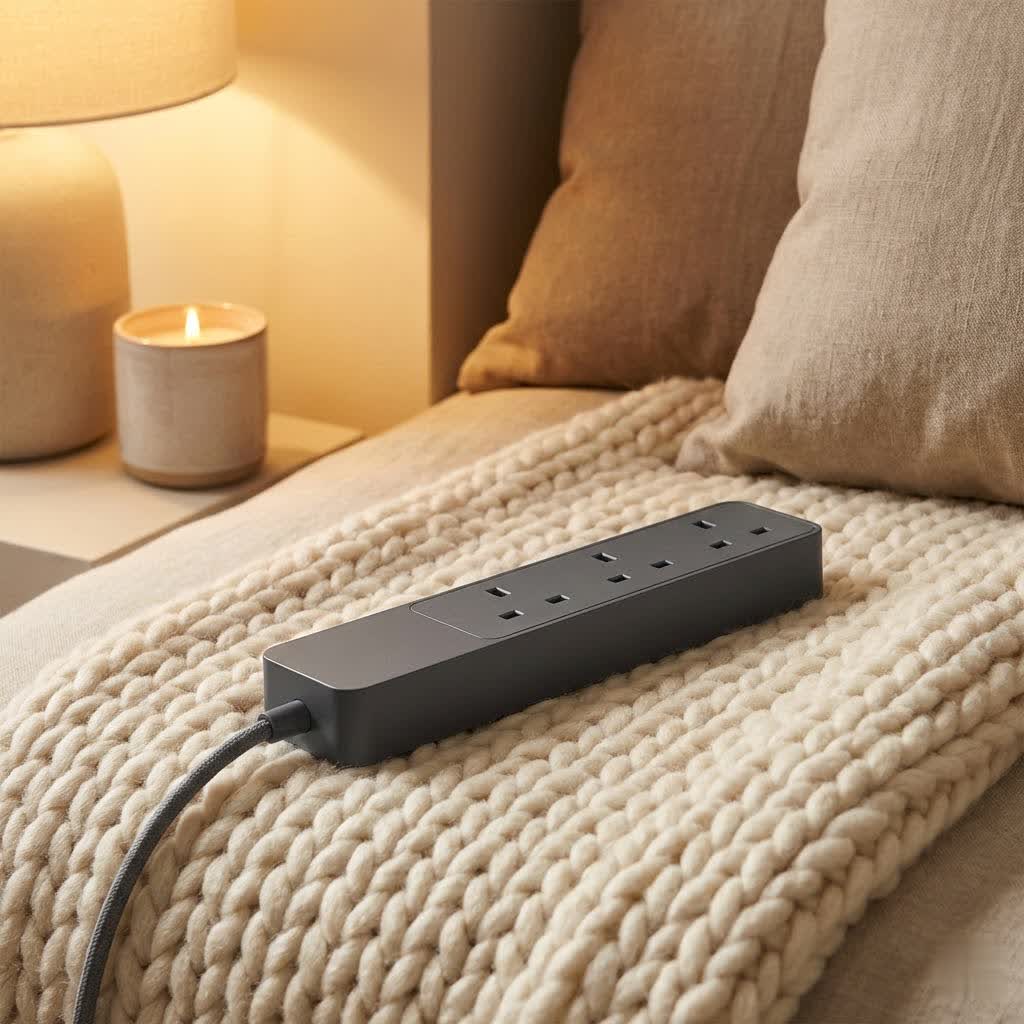
Have you ever found yourself needing an extra outlet or two for your backyard barbecue, holiday lights, or trusty power tools, only to realize your indoor power strip simply won’t cut it? The desire to extend our modern conveniences beyond the four walls of our homes is growing, whether for crafting the perfect outdoor ambiance or tackling demanding DIY projects. However, simply dragging an indoor power strip outside is a recipe for disaster, inviting serious electrical hazards due to exposure to moisture, dust, and extreme temperatures. That’s where a specialized exterior power strip becomes an indispensable hero, offering a safe and reliable solution to bring electricity wherever your outdoor adventures take you. This comprehensive guide will illuminate everything you need to know about these essential outdoor companions, from their unique features and diverse types to crucial safety standards and smart usage tips, ensuring your outdoor spaces are powered safely and efficiently.
What is an Exterior Power Strip? Why Do You Need One?
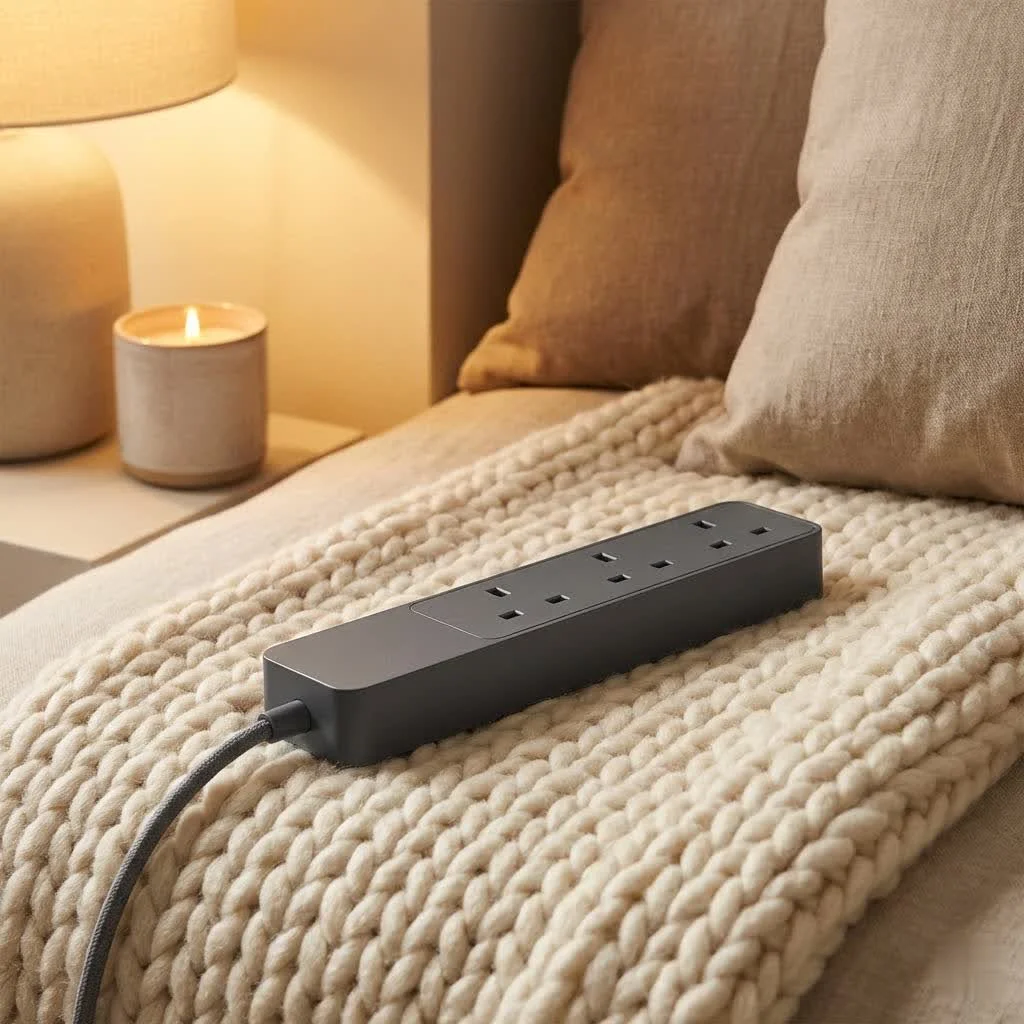
An exterior power strip is a specially engineered electrical device designed to safely provide multiple outlets in outdoor environments. Unlike their indoor counterparts, which are built for stable, sheltered conditions, outdoor power strips are constructed to withstand the challenging elements mother nature throws their way, including rain, snow, dust, and harsh UV rays. This specialized design is not just about convenience; it’s fundamentally about safety, preventing electric shocks, short circuits, and potential fires that can occur when standard power strips encounter outdoor conditions. For best power strips roundups on this site.
The importance of an exterior power strip cannot be overstated. Beyond the critical safety aspects, these devices offer immense convenience and versatility. They eliminate the tangled mess and limitations of running multiple, lengthy extension cords from indoor outlets, creating a centralized, accessible power hub for all your outdoor electronics and tools. From illuminating festive holiday decorations and creating a captivating landscape lighting display to powering garden equipment and enhancing your outdoor entertainment systems, an exterior power strip empowers you to fully utilize and enjoy your outdoor living spaces.
Understanding Exterior Power Strip Types and Features
When it comes to powering your outdoor world, not all exterior power strips are created equal. They come in various configurations, each packed with features tailored to different needs and environments. Understanding these distinctions is key to selecting the perfect strip for your specific requirements.
By Outlet Count and Type
The number and type of outlets are primary considerations. You’ll find options ranging from basic models to those designed for extensive setups:
- 3-Outlet Power Strips: Ideal for minimal needs, such such as a single outdoor lamp and a small water feature.
- 5-6 Outlet Power Strips: A popular choice for most households and small offices, balancing capacity with manageability for things like patio heaters or multiple string lights.
- 8+ Outlet Power Strips: Best for heavy-duty applications or powering numerous devices simultaneously, like a full outdoor entertainment system or an array of power tools.
- USB Ports: Many modern exterior power strips also include USB-A and/or USB-C ports, perfect for charging smartphones, tablets, and other portable devices without needing bulky adapters.
- Widely-Spaced Outlets: For those annoying oversized “wall wart” adapters, some designs offer widely-spaced outlets to ensure all ports remain accessible.
By Design and Portability
|
Our Picks for the Best Power Strip in 2026
As an Amazon Associate I earn from qualifying purchases.
|
||
| Num | Product | Action |
|---|---|---|
| 1 | Pink Extension Cord with Surge Protector - 5 FT Kawaii Power Strip, Cute Extension Cord with 6 USB(3 USB C) and 8 Outlets, Pink Desk Accessories for Girl Cute Kawaii Room Decor Gifts Office Dorm Home |

|
| 2 | 10 Ft Ultra Thin Extension Cord, 5-Outlet Power Strip Surge Protector with 4 USB Ports (2 USB C), 1875W/15A, Low Profile Flat Plug, 1700 Joules, Wall Mount for Home Office, White |
|
| 3 | Belkin 12-Outlet Surge Protector Power Strip w/ 12 AC Outlets & 8ft Flat Plug, UL-listed Heavy-Duty Extension Cord for Home, Office, Travel, Computer, Laptop, Charger - 3,940 Joules of Protection |
|
| 4 | Surge Protector Power Strip - HANYCONY 8 Outlets 4 USB (2 USB C) Charging Ports, Multi Plug Outlet Extender, 5Ft Braided Extension Cord, Flat Plug Wall Mount Desk Charging Station for Home Office ETL |
|
| 5 | Surge Protector Power Strip - CHCORE 5Ft Braided Extension Cord with 8 Outlets with 4 USB (2 USB C) Charging Ports, Flat Plug Multi Plug Outlet Extender Charging Station for Home Office, ETL, White |
|
| 6 | 3FT Ultra Flat Plug Extension Cord Power Strip with 3 Outlets, Patented Detachable Ultra-Thin Outlet Cover Concealer & Ultra-Flat Plug, Max. 13A 125V 1625W ETL Listed, White Color |
|
| 7 | Amazon Basics Rectangle 6-Outlet, 600 Joule Surge Protector Power Strip, 2ft, Black, Small, 2-Pack |
|
| 8 | 6 Ft Surge Protector Power Strip - 8 Widely Outlets with 4 USB Ports, 3 Side Outlet Extender with 6 Feet Extension Cord, Flat Plug, Wall Mount, Desk USB Charging Station, ETL,White |
|
| 9 | Amazon Basics Surge Protector Power Strip, 6-Outlet with 200J Protection, 2ft Extension Cord, Rectangle, Black (2 Pack) |
|
| 10 | Amazon Basics Surge Protector Power Strip, 6-Outlet, 790 Joules, LED Indicator, 6ft Extension Cord, White |
|
The physical design of an exterior power strip also varies, influencing its placement and ease of use:
- Standard Strip Design: Similar in form factor to indoor strips, but with robust, weatherproof casings.
- Stake Models: Equipped with a ground stake, these are perfect for landscape lighting, garden tools, or holiday decorations, allowing for secure placement directly into the soil.
- Wall-Mountable Designs: Feature mounting holes or brackets for secure attachment to walls, fences, or decks, keeping them off the ground and out of the way.
- Freestanding Models: Offer maximum placement flexibility, often with a stable base.
- Compact/Travel-Friendly: Smaller, lighter models are available for campers, tailgaters, or those who need portable power on the go.
Key Features of Exterior Power Strips
Beyond the basic number of outlets, several critical features differentiate outdoor power strips and contribute to their safety and functionality.
Weather Resistance
This is arguably the most crucial feature for any exterior power strip. Look for specific IP (Ingress Protection) ratings which indicate a device’s resistance to dust and moisture.
- IP44: Protected against solid objects larger than 1mm and water splashing from any direction, suitable for covered patios or light rain.
- IP54: Dust-protected and resistant to water splashing, offering a higher degree of protection.
- IPX6: Protected against powerful water jets, making it suitable for areas with sprinklers or heavy rainfall and can withstand prolonged exposure to rain.
Many models feature UV-resistant materials and rubberized outer casings to prevent degradation from sun exposure and provide enhanced grip and impact resistance.
Enhanced Safety Features
Safety is paramount when dealing with outdoor electricity. Quality exterior power strips integrate several protective mechanisms:
- GFCI (Ground Fault Circuit Interrupter) Protection: This is a literal lifesaver. GFCI outlets continuously monitor the current flow and immediately cut power if an imbalance is detected, which typically indicates a ground fault. This vastly reduces the risk of electric shock, especially crucial near water sources like pools or sprinkler systems.
- Surge Protection: Measured in Joules, this feature shields connected devices from sudden voltage spikes caused by lightning strikes or power fluctuations. A higher joule rating indicates greater protection capacity for your valuable electronics.
- Overload Protection: Built-in fuses or circuit breakers automatically cut power if the total current drawn by connected devices exceeds the strip’s maximum safe wattage (e.g., 1875 watts for a standard 15-amp outlet). This prevents overheating and potential fire hazards.
- UL/ETL Certification: Always verify that an exterior power strip has been independently tested and certified by reputable organizations like Underwriters Laboratories (UL) or Edison Testing Laboratories (ETL). These certifications ensure the product meets rigorous safety standards.
Cord Length and Gauge
The length of the power cord determines your reach from a permanent outdoor outlet. Options typically range from 6 to 25 feet. Equally important is the cord gauge, measured in AWG (American Wire Gauge). A lower AWG number indicates a thicker, heavier-duty cord, which can handle higher power loads and longer distances more safely without voltage drop or overheating, especially when powering multiple high-draw devices.
Smart Features and Controls
For added convenience and energy efficiency, some exterior power strips offer intelligent functionalities:
- Programmable Timers: Ideal for automating lighting schedules for holiday decorations or landscape lighting, helping to conserve energy.
- Remote Control Capability: Allows you to manage power from a distance, perfect for hard-to-reach outlets.
- Smart Home Integration: Advanced models can integrate with smart home systems like Alexa or Google Home for voice or app control.
- Individual Outlet Covers: Provide extra protection against elements when specific outlets are not in use.
Choosing the Right Exterior Power Strip: What to Consider
Selecting the ideal exterior power strip requires a thoughtful approach, balancing your specific needs with crucial safety and durability considerations. Don’t just grab the first one you see; make an informed decision to ensure long-lasting, safe, and efficient outdoor power.
Assess Your Usage Needs
Before anything else, consider what you’ll be powering and where.
- Number and Type of Devices: How many items will you plug in simultaneously? Do you need standard AC outlets, USB ports, or both? Are any of your devices bulky and require widely spaced outlets?
- Location of Use: Will the power strip be in an exposed area subject to direct rain, or under a covered patio? This dictates the required IP rating. Will it be stationary or moved frequently?
- Required Features: Do you absolutely need GFCI protection, surge protection, or a timer for automation? Prioritize these based on your devices and environment.
Check Safety Standards and Certifications
Safety should never be compromised. Always look for these essential credentials:
- UL or ETL Certification: These marks confirm that the product has undergone independent testing and meets strict safety standards. Never purchase an outdoor power strip without one.
- GFCI Protection: Ensure the unit explicitly states it has GFCI protection. This is a non-negotiable feature for outdoor electrical safety to protect against severe electric shock.
- Appropriate IP Rating: Match the IP rating to your expected exposure. For heavy rain or sprinklers, an IPX6 rating is highly recommended. For covered areas, IP44 or IP54 might suffice.
Examine Technical Specifications
Dig into the numbers to ensure the power strip can handle your load:
- Maximum Wattage/Amp Load Capacity: Calculate the total wattage of all devices you plan to connect. Ensure this sum does not exceed the power strip’s stated maximum capacity to prevent dangerous overloads.
- Surge Protection (Joule Rating): If protecting sensitive electronics, look for a higher joule rating (e.g., 1000+ Joules) for robust defense against voltage spikes.
Evaluate Build Quality and Materials
Durability directly impacts the lifespan and safety of an outdoor power strip.
- Materials: Look for robust construction using heavy-duty plastics or metal housings. These materials are more resistant to impacts, temperature fluctuations, and environmental degradation.
- UV Resistance: If the strip will be permanently exposed to direct sunlight, ensure it’s made from UV-resistant materials to prevent cracking and degradation over time.
- Cord Durability: Check for a thick, fortified cord that resists fraying and cracking, especially in varying temperatures.
Consider User Reviews and Brand Reputation
While not a technical specification, real-world feedback offers valuable insights. Look for brands known for quality and reliability in outdoor electrical products. Read reviews to understand common issues, ease of use, and long-term performance under various conditions.
Top Exterior Power Strip Recommendations
Navigating the market for an exterior power strip can feel overwhelming with the myriad of choices available. While specific product models come and go, understanding the categories of highly-rated options will guide you to a reliable purchase.
Heavy-Duty Weatherproof Strips
For those who need unwavering power and protection in challenging outdoor environments, heavy-duty weatherproof strips are the go-to. These models boast high IP ratings (often IPX6) for superior resistance against powerful water jets and heavy rain, along with robust, impact-resistant casings. They are typically equipped with robust surge protection (high Joule ratings) and overload prevention, making them suitable for powering garden equipment, large outdoor appliances, or tools on a job site. These are often the most durable and long-lasting options for continuous outdoor use.
Smart Outdoor Power Stakes
Combining convenience with modern technology, smart outdoor power stakes are a favorite for landscape and holiday lighting. These units often feature stake designs for easy placement in soil, multiple grounded outlets, and integrated programmable timers. Many also offer remote control functionality or even smart home integration, allowing you to control lights and other decorations with a tap on your smartphone or a voice command. Their weatherproof design protects against the elements while adding a layer of automated control to your outdoor displays.
Compact and Portable Models
If your outdoor power needs are occasional or require mobility, compact and portable power strips are an excellent choice. These lighter, smaller designs are easy to transport for camping trips, tailgating events, or temporary backyard setups. While they might offer fewer outlets or a lower IP rating compared to heavy-duty counterparts, they still provide essential weather resistance and basic safety features like circuit breakers. Look for models with integrated handles or a compact form factor for effortless relocation.
Safe and Effective Usage Tips for Your Exterior Power Strip
Even the most robust exterior power strip requires proper handling and maintenance to ensure continued safety and optimal performance. Treating your outdoor power strip with care will extend its lifespan and protect you and your devices from electrical hazards.
Installation Best Practices
Correct installation is the first line of defense against electrical risks.
- Plug into a GFCI-Protected Outlet: Always connect your exterior power strip to a GFCI-protected, three-prong grounded outlet. If you don’t have one, consider having a qualified electrician install one.
- Position Under Covered Areas: Whenever possible, place your power strip under a covered patio, porch, or outdoor electrical box to minimize direct exposure to rain, snow, and harsh sunlight.
- Elevate Connections: Keep the power strip and all connections elevated off the ground to prevent contact with standing water, which can be catastrophic.
- Avoid Overloading: Calculate the total power requirements of your connected devices and ensure they never exceed the power strip’s maximum rated capacity. Overloading can lead to overheating, circuit breaker trips, or even fire.
- Prevent Trip Hazards: Route cords carefully to avoid creating tripping hazards across walkways, lawns, or gathering areas. Use cable ties or cord covers if necessary.
Routine Maintenance Requirements
Regular checks can prevent problems before they start.
- Inspect Regularly: Periodically examine the power strip, its cord, and plugs for any signs of damage. Look for frayed cables, cracked housing, corrosion on the outlets, or discoloration from heat.
- Test GFCI Functionality: If your power strip has a GFCI reset button, test it monthly by pressing the “Test” button, then the “Reset” button. The power should cut off and then restore.
- Clean Connections: Keep the outlets and plugs clean and free from dirt, dust, and debris to ensure good electrical contact and prevent corrosion.
- Replace Damaged Units: Immediately discontinue use and replace any exterior power strip that shows signs of water infiltration, significant physical damage, or frequent tripping of its circuit breaker.
Seasonal and Environmental Considerations
Outdoor conditions can be unpredictable, so be prepared.
- Store During Extreme Weather: If your power strip is portable or not needed during severe weather (heavy storms, blizzards, extreme heat), disconnect it and store it indoors.
- Disconnect During Electrical Storms: Always disconnect outdoor electrical devices, including power strips, during severe electrical storms to protect against lightning strikes.
- Avoid Standing Water: Never place an exterior power strip where water can pool or flood. Even highly water-resistant models are not designed for submersion.
- Mind UV Degradation: Prolonged sun exposure can degrade plastic components over time. If your unit is permanently installed, choose models with metal housings or explicitly UV-resistant materials.
Conclusion
In an increasingly connected world, extending power safely and conveniently into our outdoor spaces is no longer a luxury but a necessity. The humble exterior power strip stands as a critical tool, transforming your garden, patio, or deck into a functional and inviting extension of your home. By understanding its unique design, essential safety features like GFCI protection and IP ratings, and adhering to smart usage practices, you can confidently power everything from festive holiday lights to robust power tools.
Remember, investing in a high-quality, appropriately rated exterior power strip is an investment in both convenience and, more importantly, safety. Prioritize features that match your specific outdoor environment and power needs, always verifying certifications and ensuring proper installation. With the right exterior power strip, your outdoor living dreams are not just possible—they’re powerfully illuminated and easily within reach.
What creative ways have you used an exterior power strip to enhance your outdoor activities? Share your tips and experiences!
Frequently Asked Questions
Are all power strips safe for outdoor use?
No, absolutely not. Only power strips specifically labeled and designed for outdoor or exterior use should be used outdoors. Indoor power strips lack the necessary weatherproofing, insulation, and safety features like GFCI protection to safely withstand moisture, dust, and temperature fluctuations, posing significant electrical hazards.
What do IP ratings mean for outdoor power strips?
IP (Ingress Protection) ratings indicate a power strip’s resistance to solids (like dust) and liquids (like water). For outdoor use, look for ratings like IP44 (splash-proof), IP54 (dust-protected and splash-resistant), or IPX6 (protected against powerful water jets), with higher numbers signifying greater protection against the elements.
Do outdoor power strips have surge protection?
Many high-quality outdoor power strips include built-in surge protection, typically measured in Joules. This feature helps safeguard connected devices from voltage spikes caused by power fluctuations or lightning. Always check the product specifications for the surge protection rating if you plan to plug in sensitive electronics.
Can I use an outdoor power strip in heavy rain?
Only outdoor power strips with a high IP rating, such as IPX6, are designed to withstand heavy rain or powerful water jets. Even with these ratings, it’s always best practice to position the strip under a covered area or use additional protective enclosures to minimize direct exposure to extreme wet conditions, and ensure it is plugged into a GFCI-protected outlet.
How often should I replace my outdoor power strip?
The lifespan of an outdoor power strip depends on its quality, exposure to elements, and frequency of use. You should replace it immediately if you notice any signs of damage, such as frayed cords, cracked housing, corrosion, or if its circuit breaker frequently trips. Regular inspection and proper care can extend its life, but typical replacement might be every 3-5 years for frequently used units.
Get our weekly buyer guide
Practical specs, not advice. Unsubscribe anytime.
