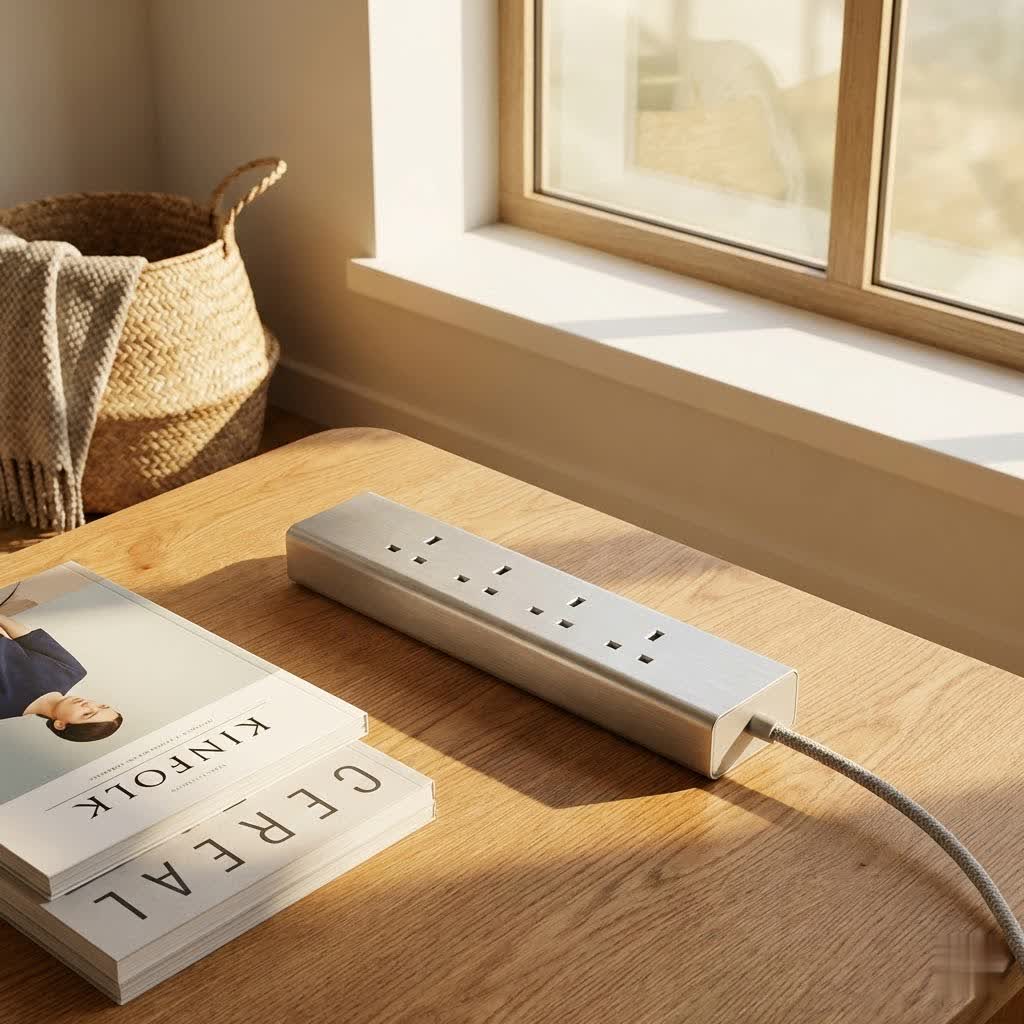
In our modern, tech-driven world, almost every device we own requires electricity. From charging your smartphone to powering your home office, power strips have become indispensable. But have you ever paused to consider the safety of these everyday electrical companions? While they offer convenience by expanding available outlets, not all power strips are created equal. The difference between a reliable power strip and a potential hazard often lies in one critical designation: UL approval. Choosing a UL approved power strip isn’t just about functionality; it’s about safeguarding your home, your electronics, and your peace of mind. Let’s delve into why this certification is paramount and how to make the best choice for your needs.
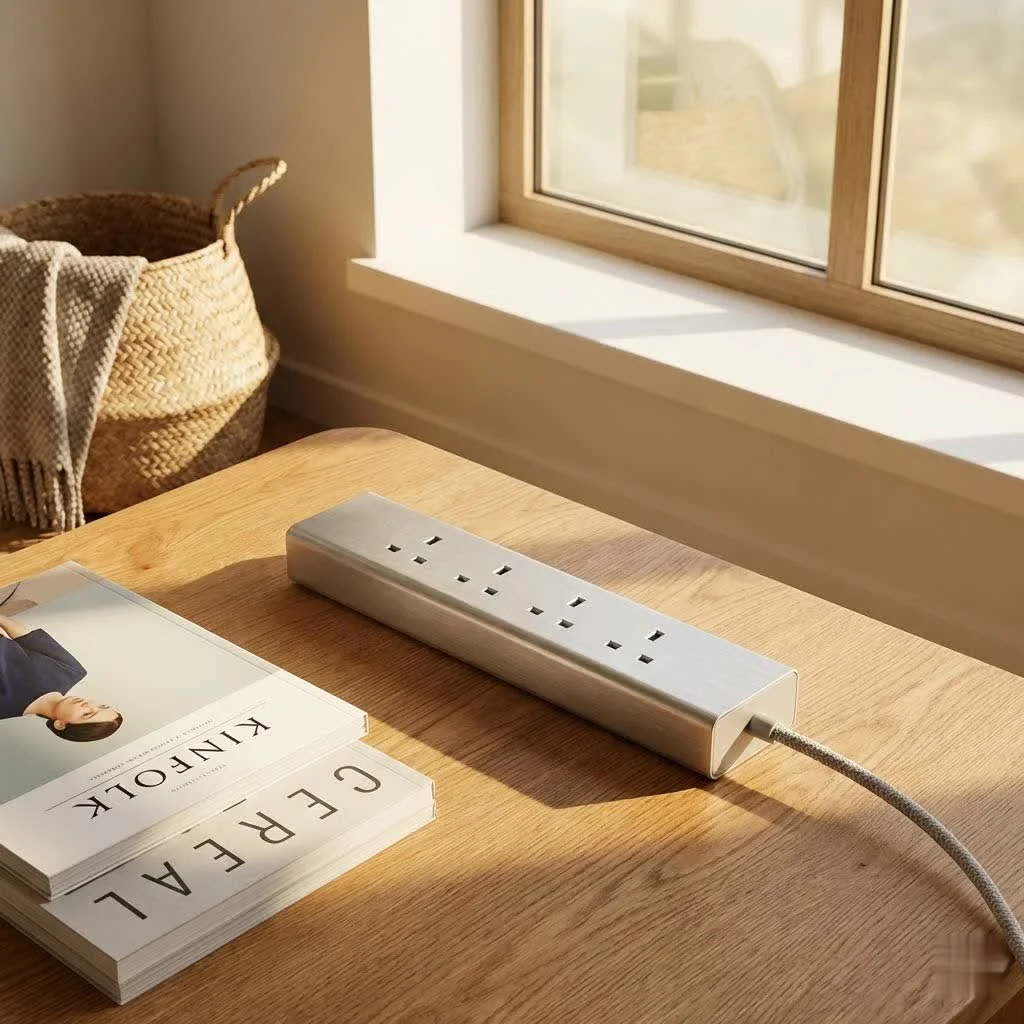
What is a Power Strip, and Why is UL Approval Crucial?
A power strip is essentially an extension cord equipped with multiple outlets, allowing you to power several devices from a single wall socket. While they are often generically referred to, it’s vital to distinguish between a basic power strip and a surge protector. A standard power strip merely expands your outlets without offering any protection against electrical fluctuations. In contrast, a surge protector contains internal components designed to absorb and divert excess voltage, shielding your valuable electronics from damaging power surges or spikes. For more power strips guides on this site.
Understanding Underwriters Laboratories (UL) certification is key to navigating this distinction and ensuring safety. UL is an independent, non-profit safety science company that has been testing and certifying products for over a century. When a power strip or any electrical product is “UL Listed” or “UL Approved,” it means that UL has rigorously tested samples of the product and determined that it meets their published safety standards. This isn’t a one-time check; UL also conducts ongoing surveillance and testing to ensure products continue to meet these requirements over time.
Why is UL approval non-negotiable for power strips? The consequences of using uncertified or faulty electrical equipment can range from minor inconvenience to severe hazards. A UL Listed power strip provides fundamental safety assurances, including protection against electrical shock, fire, and overheating. These devices have been tested for durability, proper wiring, and their ability to handle specified electrical loads safely. For surge protectors, UL certification (specifically UL 1449) verifies their capacity to protect sensitive electronics from voltage spikes that can occur due to lightning strikes, power outages, or fluctuations in your home’s electrical grid. Opting for a UL approved power strip is an investment in quality assurance, demonstrating that the manufacturer has committed to meeting stringent safety benchmarks established by an unbiased third party.
Decoding Power Strip Types: Beyond the Basics
Power strips have evolved significantly, offering a range of features to suit diverse needs. However, regardless of their advanced capabilities, the underlying principle of safety through UL approval remains paramount.
When considering power strips by outlet count, you’ll find options tailored for various demands:
- 3-Outlet Power Strips: These compact units are suitable for basic needs, such as adding an extra plug near a bedside lamp or a single device.
- 5-6 Outlet Power Strips: This is arguably the most common type, offering a good balance for typical home and office setups, accommodating computers, monitors, and peripherals.
- 8+ Outlet Power Strips: For more extensive setups like entertainment centers or comprehensive workstations, these provide ample connections for numerous devices.
Beyond the number of outlets, power strips are increasingly categorized by their features:
- Standard Power Strips: As mentioned, these provide additional outlets but no surge protection. It’s crucial to ensure even these basic models are UL Listed for general electrical safety, but they will not protect against voltage spikes.
- UL Listed Surge Protectors: These are essential for any sensitive electronics. They comply with UL 1449, the standard for Surge Protective Devices, ensuring they can effectively “clamp” down voltage spikes to prevent damage. Look for a Joule rating and clamping voltage specification, which indicate their protective capacity.
- Smart Power Strips: Integrating technology like Wi-Fi connectivity, these strips allow for remote control via smartphone apps, scheduling, and even energy monitoring. While innovative, their electrical components must still meet UL safety standards.
- Travel Power Strips: Designed for portability, these often feature a compact design, multiple international plug adapters, and sometimes USB charging ports. Even when traveling, look for UL or equivalent international safety certifications.
Design variations also cater to user preferences and spatial considerations. You might find vertical “tower” power strips that save floor space, or round designs that offer easy access to all outlets. While aesthetics and form factor contribute to user experience, they should always be secondary to safety certifications.
Comparing UL Approved Power Strips: Key Considerations
Choosing a UL approved power strip means you’re already prioritizing safety, but several factors differentiate one excellent power strip from another. When evaluating options, delve into the specifics to ensure you get the best protection and functionality.
Firstly, familiarize yourself with UL Standards and Marks. For consumer power strips, you’ll typically look for the “UL Listed” mark. This mark signifies that UL has tested the entire product and confirmed it meets their safety standards for general use. In contrast, a “UL Recognized Component” mark (often a reverse ‘R’ and ‘U’) applies to individual components within a larger system and does not mean the final product is UL Listed for consumer use. Always look for the full “UL Listed” mark on the power strip itself or its packaging.
For UL Listed surge protectors, critical specifications include the Joule rating, clamping voltage, and response time:
- Joule Rating: This indicates how much energy the surge protector can absorb before it fails. A higher Joule rating (e.g., 2000 Joules or more) offers superior protection, especially for valuable electronics like computers, televisions, and gaming consoles.
- Clamping Voltage: This is the voltage level at which the surge protector begins to divert excess electricity. A lower clamping voltage (e.g., 330V or 400V) means the device reacts faster and allows less damaging voltage to reach your electronics.
- Response Time: A faster response time (often measured in nanoseconds) indicates how quickly the surge protector can react to a spike. The quicker the response, the less exposure your devices have to harmful surges.
Always check the power strip’s maximum wattage and amperage. Exceeding these limits can lead to overheating, circuit breaker trips, or even fires. Match the strip’s capacity to the total power draw of the devices you intend to plug in. For instance, high-power appliances like space heaters or microwaves should rarely, if ever, be plugged into a power strip.
Additional features can enhance usability and protection. Look for USB charging ports for convenience, indicator lights that confirm the strip is grounded and actively protecting against surges, and individual on/off switches for each outlet to save energy and provide granular control. Cord length is also a practical consideration; ensure it’s adequate without being excessively long, which can create tripping hazards.
While I can’t recommend specific brands directly, reputable manufacturers known for their quality electrical products often prioritize UL certification. When comparing, remember that safety is an investment. A slightly higher price for a UL Listed power strip with robust surge protection often translates to greater peace of mind and protection for your expensive electronics.
How to Choose the Right UL Approved Power Strip for Your Needs
Selecting the ideal UL approved power strip involves a clear understanding of your requirements and an eye for essential safety features. Don’t rush this decision; a well-chosen power strip can be a long-term guardian for your devices.
First, assess your usage needs. How many devices will you be plugging in regularly? What types of devices are they – basic lamps, charging phones, or sensitive, expensive electronics like computers, smart TVs, or home theater systems? The location where the power strip will be used (e.g., behind a desk, in an entertainment center, or a workshop) also influences your choice, affecting factors like cord length and design. If you need protection for high-value electronics, a UL Listed surge protector is a must.
Next, and most importantly, always look for the UL Mark. This distinctive symbol, usually “UL” within a circle, will be found on the product itself (typically on the back or bottom), on the packaging, or clearly stated in the product’s online description. Manufacturers are proud to display this certification because it immediately signals reliability and compliance with established safety standards. If you can’t find a clear UL Listed mark, it’s best to avoid that product, as its safety has not been independently verified.
Carefully check the electrical specifications. Every power strip will have a maximum wattage and amperage rating. Sum up the power requirements of all the devices you intend to connect. Ensure this total does not exceed the power strip’s maximum capacity. Overloading is a common cause of electrical hazards, even with UL certified products.
If you’re opting for a surge protector, delve into its protective capabilities. A higher Joule rating signifies greater surge absorption capacity, crucial for expensive and sensitive electronics. Aim for a Joule rating of at least 1000-2000 for general electronics, and higher for critical equipment. A lower clamping voltage and fast response time also indicate superior protection.
Finally, take the time to read user reviews. While certifications provide a baseline for safety, real-world user experiences can offer insights into durability, long-term performance, and any common issues. Look for consistent positive feedback regarding the product’s quality and reliability.
Top UL Approved Power Strips: What to Look For
When considering the “top” UL approved power strips, it’s less about specific brand models (which can change frequently) and more about a consistent set of characteristics that signify superior safety, performance, and user experience. A truly excellent UL approved power strip will combine robust construction with thoughtful features designed for both protection and convenience.
Here’s what you should prioritize in a top-tier UL approved power strip:
- Clear UL Listing: This is the foundational requirement. Look for the distinct UL Listed mark prominently displayed.
- High Joule Rating: For surge protectors, a high Joule rating (e.g., 2000 Joules or more) indicates significant protection against powerful surges, crucial for safeguarding valuable electronics.
- Low Clamping Voltage & Fast Response Time: These technical specifications ensure minimal voltage reaches your devices during a surge, offering quick and effective defense.
- Sufficient Outlets with Space: The best power strips offer enough outlets for your needs, often with widely spaced outlets or rotating designs to accommodate bulky adapters without blocking adjacent ports.
- Integrated USB Charging Ports: With the prevalence of USB-powered devices, multiple high-amperage USB-A and USB-C ports are a highly desirable feature, reducing the need for additional wall adapters.
- Overload Protection: A built-in circuit breaker is a non-negotiable safety feature. It automatically shuts off power if the strip becomes overloaded, preventing overheating and potential fires.
- Indicator Lights: Look for lights that clearly show if the power strip is grounded and if the surge protection is active and functional. This provides immediate visual confirmation of safety.
- Durable Construction: A robust casing, often made from fire-resistant materials, and a heavy-duty power cord indicate a product built to last and withstand daily use.
- Master On/Off Switch with Individual Outlet Switches: A master switch offers convenient power control, while individual switches allow you to power down specific devices when not in use, saving energy.
- Mounting Options: Keyhole slots on the back can be incredibly useful for mounting the power strip to a wall or under a desk, helping to organize cables and reduce clutter.
While prices vary based on features and protection levels, always remember that compromising on a UL Listed product to save a few dollars can be a costly mistake in the long run, potentially leading to damaged electronics or, worse, electrical hazards. Invest wisely in a power strip that meets these high standards.
Safe and Effective Use of Your UL Approved Power Strip
Even the best UL approved power strip can pose risks if not used correctly. Adhering to simple safety guidelines is essential to maximize protection and prolong the life of both your power strip and your connected devices.
First and foremost, never overload your power strip. Every power strip has a maximum wattage and amperage capacity, often printed on the back or bottom. Before plugging in devices, estimate their combined power draw and ensure it does not exceed the strip’s rating. High-power appliances like space heaters, microwaves, refrigerators, or hair dryers should generally be plugged directly into a wall outlet, not a power strip, as they can quickly exceed its capacity and cause overheating or fire.
Always plug your power strip directly into a wall outlet. Avoid “daisy-chaining,” which means plugging one power strip into another, or plugging a power strip into an extension cord. This practice significantly increases the risk of overloading circuits and can bypass safety features.
Consider the placement of your power strip. It should always be used in dry, indoor locations. Avoid areas with high humidity, such as bathrooms or near sinks. Never run power cords under rugs or carpets, as this can lead to overheating, damage the cord, and create a fire hazard without visible warning. Keep power strips away from flammable materials and ensure adequate ventilation around them.
Regular inspection is a simple yet crucial safety habit. Periodically check your power strip’s cord for any signs of fraying, cuts, or exposed wires. Examine the outlets for looseness or discoloration, which could indicate overheating. If you notice any damage, discontinue use immediately.
Finally, know when to replace your power strip. Standard power strips have a long lifespan, but surge protectors have a finite capacity to absorb electrical surges. After enduring a significant power surge (like a lightning strike or a severe grid fluctuation), a surge protector’s internal components may be damaged or “sacrificed” to protect your devices. Many surge protectors have an indicator light to show if the surge protection is still active. If this light goes out, it’s time to replace the unit, even if it still provides power. Old or visibly damaged power strips, regardless of their original certification, should always be replaced.
By following these practical tips, you can ensure your UL approved power strip provides years of safe and reliable service, keeping your home and electronics protected.
Conclusion
In a world increasingly reliant on electronic devices, the humble power strip has become an unsung hero of connectivity. However, its crucial role demands that we treat its selection with the utmost care and attention to safety. Choosing a UL approved power strip isn’t merely a preference; it’s a fundamental commitment to safeguarding your home, your valuable electronics, and the well-being of everyone under your roof.
Underwriters Laboratories (UL) certification serves as your trusted guide, a symbol of rigorous testing and adherence to stringent safety standards. From preventing electrical fires and shocks to protecting sensitive equipment from devastating power surges, a UL Listed power strip offers a crucial layer of defense that uncertified alternatives simply cannot match. By understanding the different types, carefully checking specifications like Joule ratings and amperage limits, and always looking for that definitive UL mark, you empower yourself to make informed decisions that prioritize safety without compromising on convenience.
Remember that even the most robust, UL approved power strip requires responsible use. Avoid overloading, plug directly into wall outlets, and regularly inspect your equipment for signs of wear. Prioritizing these practices ensures that your power strip remains a reliable and safe component of your electrical system.
What are your experiences with power strips and electrical safety? Have you ever had a surge protector save your devices? Share your insights and help others make smarter, safer choices for their homes and offices.
Frequently Asked Questions
Is “UL Listed” the same as “UL Approved”?
|
Our Picks for the Best Power Strip in 2026
As an Amazon Associate I earn from qualifying purchases.
|
||
| Num | Product | Action |
|---|---|---|
| 1 | Pink Extension Cord with Surge Protector - 5 FT Kawaii Power Strip, Cute Extension Cord with 6 USB(3 USB C) and 8 Outlets, Pink Desk Accessories for Girl Cute Kawaii Room Decor Gifts Office Dorm Home |

|
| 2 | Belkin 12-Outlet Surge Protector Power Strip w/ 12 AC Outlets & 8ft Flat Plug, UL-listed Heavy-Duty Extension Cord for Home, Office, Travel, Computer, Laptop, Charger - 3,940 Joules of Protection |
|
| 3 | Amazon Basics Surge Protector Power Strip, 6-Outlet with 200J Protection, 2ft Extension Cord, Rectangle, Black (2 Pack) |
|
| 4 | 3FT Ultra Flat Plug Extension Cord Power Strip with 3 Outlets, Patented Detachable Ultra-Thin Outlet Cover Concealer & Ultra-Flat Plug, Max. 13A 125V 1625W ETL Listed, White Color |
|
| 5 | 10 Ft Ultra Thin Extension Cord, 5-Outlet Power Strip Surge Protector with 4 USB Ports (2 USB C), 1875W/15A, Low Profile Flat Plug, 1700 Joules, Wall Mount for Home Office, White |
|
| 6 | Surge Protector Power Strip - CHCORE 5Ft Braided Extension Cord with 8 Outlets with 4 USB (2 USB C) Charging Ports, Flat Plug Multi Plug Outlet Extender Charging Station for Home Office, ETL, White |
|
| 7 | Amazon Basics Surge Protector Power Strip, 6-Outlet, 790 Joules, LED Indicator, 6ft Extension Cord, White |
|
| 8 | Surge Protector Power Strip - HANYCONY 8 Outlets 4 USB (2 USB C) Charging Ports, Multi Plug Outlet Extender, 5Ft Braided Extension Cord, Flat Plug Wall Mount Desk Charging Station for Home Office ETL |
|
| 9 | 6 Ft Surge Protector Power Strip - 8 Widely Outlets with 4 USB Ports, 3 Side Outlet Extender with 6 Feet Extension Cord, Flat Plug, Wall Mount, Desk USB Charging Station, ETL,White |
|
| 10 | Amazon Basics Rectangle 6-Outlet, 600 Joule Surge Protector Power Strip, 2ft, Black, Small, 2-Pack |
|
Yes, for consumer products like power strips, “UL Listed” is effectively synonymous with “UL Approved.” It means the entire product has been tested by Underwriters Laboratories and found to meet their safety standards for general use.
Can I plug a power strip into another power strip?
No, you should never plug a power strip into another power strip, a practice known as “daisy-chaining.” This can easily overload the electrical circuit and lead to overheating, fire hazards, or damage to your devices. Always plug power strips directly into a wall outlet.
How often should I replace my surge protector?
While there’s no fixed lifespan, surge protectors degrade over time as they absorb surges. Most manufacturers recommend replacing them every 3-5 years, or immediately after a major power surge (like a lightning strike). Many surge protectors have an indicator light that will turn off when the protection components are no longer active.
What is the difference between a power strip and a surge protector?
A standard power strip simply provides multiple outlets for more devices, acting as an extension cord. A surge protector, on the other hand, includes specialized components that detect and divert excess electrical voltage (surges), protecting connected electronics from damage. Many products are both power strips and surge protectors.
Does a higher Joule rating mean better protection?
Yes, generally, a higher Joule rating indicates that a surge protector can absorb more energy from a power surge before it fails. For valuable or sensitive electronics, choosing a surge protector with a higher Joule rating (e.g., 2000 Joules or more) provides a greater level of protection.
Get our weekly buyer guide
Practical specs, not advice. Unsubscribe anytime.
