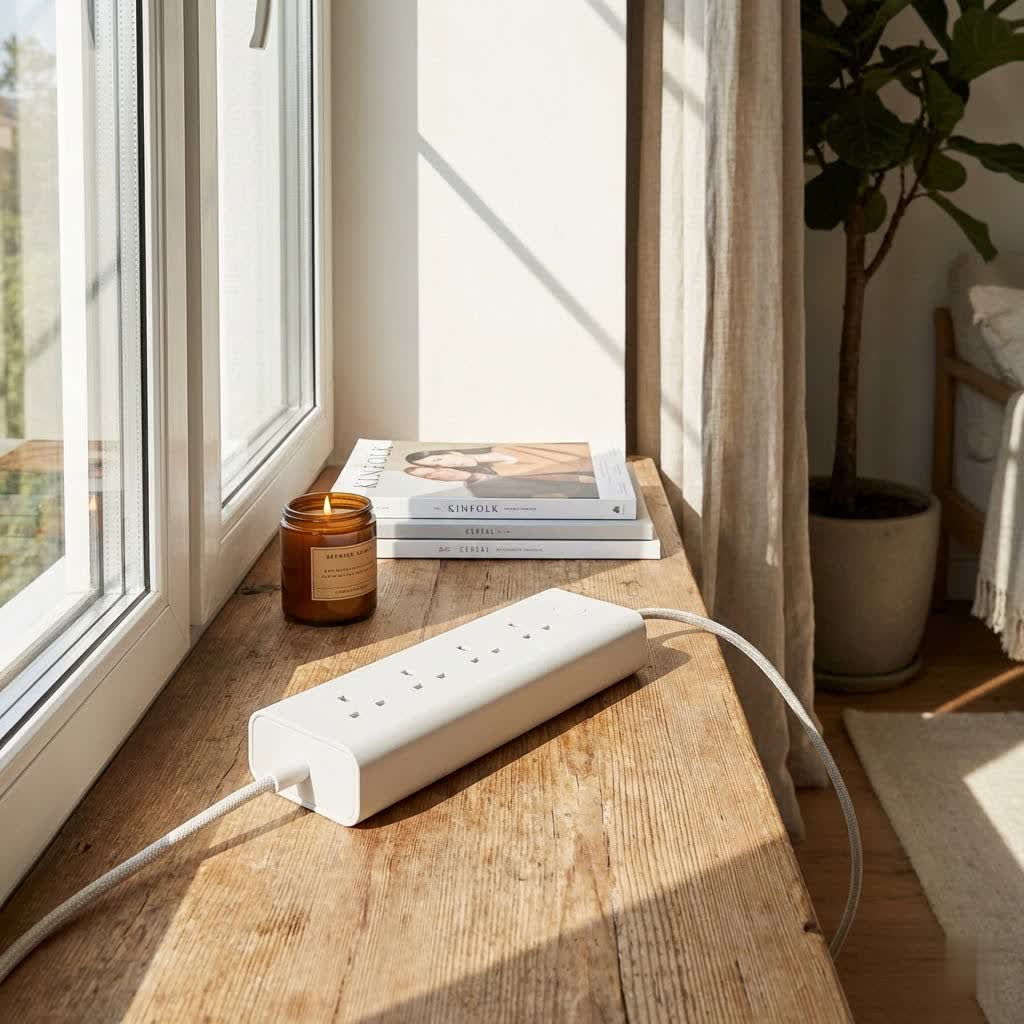
In our increasingly connected world, homes and offices brim with an array of electronic devices, from laptops and smartphones to smart speakers and kitchen gadgets. The constant challenge? A scarcity of wall outlets to power them all, often leading to cluttered spaces and potential safety hazards. This is where the humble power strip becomes an indispensable tool, transforming a single outlet into a multi-functional power hub. But with so many options available today, how do you choose the right one, ensure safety, and even leverage smart technology for better energy management?
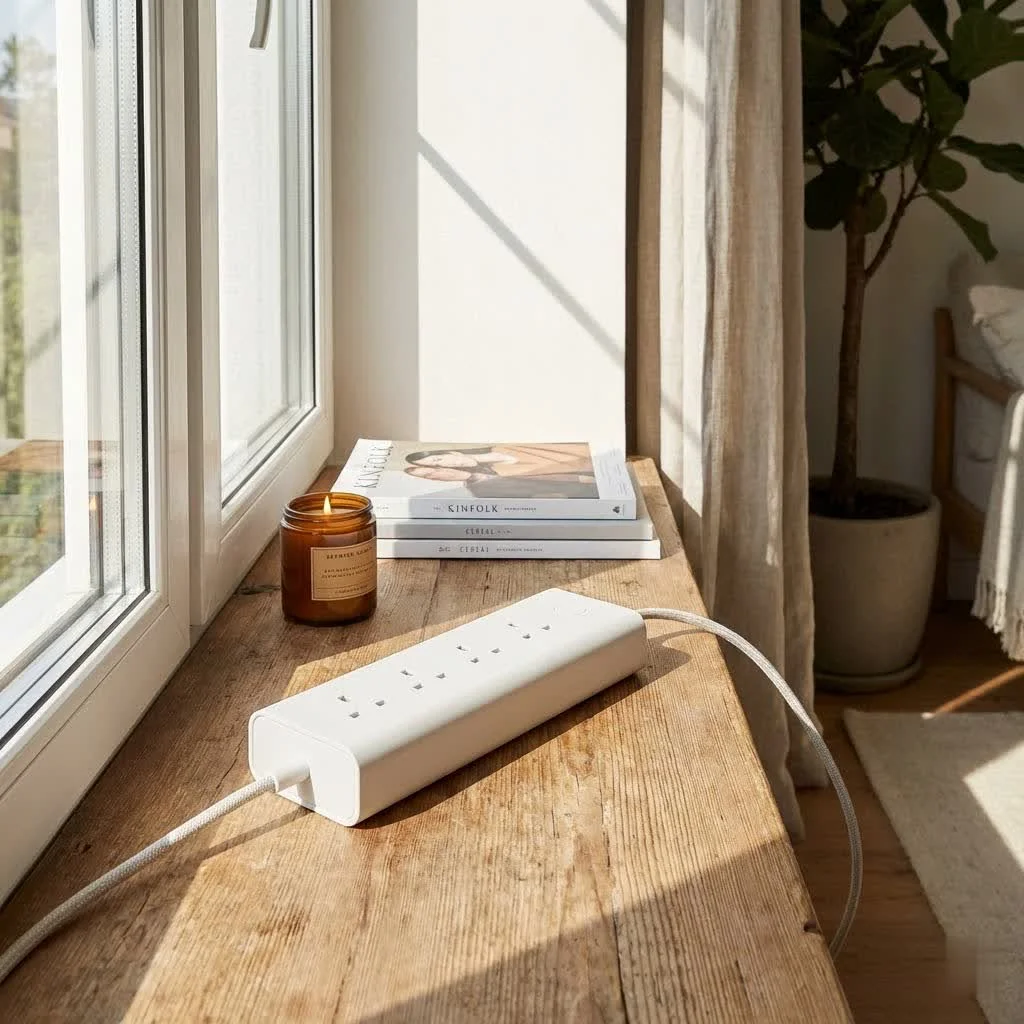
This comprehensive guide will demystify the world of power strips, helping you understand their core functions, explore the diverse types available, and empower you to make informed decisions for a safer, more organized, and efficiently powered environment.
Power Strip: What It Is and Why You Need One
At its core, a power strip is an electrical device designed to expand a single wall receptacle into multiple outlets, allowing you to power several electronic devices simultaneously. You might also know it by various other names like a multi-socket, power board, extension block, or relocatable power tap. Far from being just a simple extension cord, modern power strips often integrate features that provide convenience, organization, and crucial protection for your valuable electronics.
The importance of a power strip in today’s digital landscape cannot be overstated. They are vital for:
- Convenience: Easily power multiple devices from one central location, eliminating the need to search for scarce wall outlets.
- Organization: Consolidate power cords, reducing cable clutter and creating a tidier workspace or entertainment center.
- Protection: Many power strips offer built-in safeguards like surge protection and circuit breakers, shielding your equipment from electrical fluctuations and overloads.
Types of Power Strips: Finding Your Perfect Match
The evolution of the power strip has led to a variety of types, each catering to specific needs and environments. Understanding these categories is the first step toward finding your ideal power solution.
By Number of Outlets
Power strips are commonly categorized by the number of AC outlets they provide:
- 3-Outlet Power Strips: These compact units are suitable for basic needs, such as powering a lamp and a phone charger at a bedside table.
- 5-6 Outlet Power Strips: This is arguably the most popular choice for general home and office use, offering a good balance of capacity and size for computers, monitors, and various peripherals.
- 8+ Outlet Power Strips: For more demanding setups, like a comprehensive home entertainment system or a workstation with multiple screens and accessories, higher-capacity strips are essential.
By Features and Design
|
Our Picks for the Best Power Strip in 2026
As an Amazon Associate I earn from qualifying purchases.
|
||
| Num | Product | Action |
|---|---|---|
| 1 | Surge Protector Power Strip - CHCORE 5Ft Braided Extension Cord with 8 Outlets with 4 USB (2 USB C) Charging Ports, Flat Plug Multi Plug Outlet Extender Charging Station for Home Office, ETL, White |

|
| 2 | Amazon Basics Rectangle 6-Outlet, 600 Joule Surge Protector Power Strip, 2ft, Black, Small, 2-Pack |
|
| 3 | Pink Extension Cord with Surge Protector - 5 FT Kawaii Power Strip, Cute Extension Cord with 6 USB(3 USB C) and 8 Outlets, Pink Desk Accessories for Girl Cute Kawaii Room Decor Gifts Office Dorm Home |
|
| 4 | Surge Protector Power Strip - HANYCONY 8 Outlets 4 USB (2 USB C) Charging Ports, Multi Plug Outlet Extender, 5Ft Braided Extension Cord, Flat Plug Wall Mount Desk Charging Station for Home Office ETL |
|
| 5 | Amazon Basics Surge Protector Power Strip, 6-Outlet with 200J Protection, 2ft Extension Cord, Rectangle, Black (2 Pack) |
|
| 6 | Belkin 12-Outlet Surge Protector Power Strip w/ 12 AC Outlets & 8ft Flat Plug, UL-listed Heavy-Duty Extension Cord for Home, Office, Travel, Computer, Laptop, Charger - 3,940 Joules of Protection |
|
| 7 | 6 Ft Surge Protector Power Strip - 8 Widely Outlets with 4 USB Ports, 3 Side Outlet Extender with 6 Feet Extension Cord, Flat Plug, Wall Mount, Desk USB Charging Station, ETL,White |
|
| 8 | 10 Ft Ultra Thin Extension Cord, 5-Outlet Power Strip Surge Protector with 4 USB Ports (2 USB C), 1875W/15A, Low Profile Flat Plug, 1700 Joules, Wall Mount for Home Office, White |
|
| 9 | Amazon Basics Surge Protector Power Strip, 6-Outlet, 790 Joules, LED Indicator, 6ft Extension Cord, White |
|
| 10 | 3FT Ultra Flat Plug Extension Cord Power Strip with 3 Outlets, Patented Detachable Ultra-Thin Outlet Cover Concealer & Ultra-Flat Plug, Max. 13A 125V 1625W ETL Listed, White Color |
|
Beyond the sheer number of outlets, power strips distinguish themselves through a range of integrated features and ergonomic designs:
- Standard Power Strips: These are the simplest form, providing only expanded outlet capacity without inherent surge suppression. While affordable, they offer no protection against voltage spikes.
- Surge Protector Power Strips: Crucially different from basic strips, these devices contain mechanisms to divert excess voltage away from connected electronics during a power surge, safeguarding them from potential damage. Their protection level is often measured in joules; a higher joule rating indicates greater protection.
- Smart Power Strips: Integrating cutting-edge technology, smart power strips offer advanced control and energy management. These often include:
- Remote Control & Automation: Control individual or grouped outlets via a smartphone app or voice commands through smart home assistants like Amazon Alexa or Google Assistant.
- Scheduling & Timers: Program devices to turn on or off at specific times, perfect for managing lighting or charging schedules.
- Energy Monitoring: Track the power consumption of connected devices, helping you identify energy hogs and reduce “vampire drain” (power consumed by devices in standby mode).
- Wi-Fi Connectivity & Motion Sensors: Many connect to your home Wi-Fi, while some advanced models even feature motion sensors to automatically cut power to unoccupied areas.
- Power Strips with USB Ports: Designed for the modern gadget user, these strips combine traditional AC outlets with USB-A and/or USB-C charging ports, eliminating the need for bulky wall adapters for your phones, tablets, and other USB-powered devices.
- Heavy-Duty Power Strips: Built for more rigorous environments like workshops, garages, or construction sites, these strips often feature robust casings, longer cords, and higher power ratings to handle demanding tools and equipment.
- Travel Power Strips: Compact and lightweight, these are designed for portability, often featuring universal outlet configurations and multiple USB ports to keep your devices charged while on the go.
- Unique Designs: Beyond the traditional linear strip, you’ll find innovative designs like vertical power towers, circular power hubs, and flat-plug strips that sit flush against walls, optimizing space and aesthetics.
Comparison Table: Power Strip Types at a Glance
| Type | Key Features | Best For | Pros | Cons |
|---|---|---|---|---|
| Standard | Multiple AC outlets | Basic expansion, low-power devices | Affordable, simple | No surge protection, minimal safety features |
| Surge Protector | Multiple AC outlets, joule rating, circuit breaker | Protecting sensitive electronics (PCs, TVs) | Shields devices from voltage spikes, prevents overload | Can be more expensive than standard strips |
| Smart | App/voice control, Wi-Fi, scheduling, energy monitoring, individual outlet control | Smart homes, energy saving, automation | Ultimate control and customization, reduces “vampire drain” | Higher cost, requires Wi-Fi setup, potential privacy concerns |
| USB Combo | AC outlets, USB-A/USB-C ports | Desks, charging stations, travel | Convenient device charging, reduces adapter clutter | USB port power output can vary |
| Heavy-Duty | Durable casing, high power rating, long cord | Workshops, garages, industrial settings | Withstands harsh environments, handles powerful tools | Bulky, not designed for aesthetic appeal |
| Travel | Compact, universal outlets, USB ports | Frequent travelers, international use | Portable, versatile for different power standards | Lower surge protection, limited outlets |
How to Buy the Right Power Strip: Essential Considerations
Choosing the ideal power strip requires a thoughtful approach, balancing your specific needs with crucial safety features and smart functionalities. As an experienced technician, I’ve seen firsthand how the right choice can enhance convenience and protect your investments, while a poor choice can lead to significant risks.
1. Assess Your Usage Needs
Begin by clearly defining how you intend to use the power strip:
- Number and Type of Devices: Count how many devices you need to plug in. Consider if any are high-wattage appliances (e.g., space heaters, microwaves, hair dryers) which should ideally be plugged directly into wall outlets, not power strips.
- Location: Will it be in a dry indoor area, a slightly humid basement, or even outdoors (requiring a weather-rated strip)? Consider the aesthetics and space availability—do you need a sleek, compact design or a vertical tower?
- Desired Features: Do you only need basic expansion, or is surge protection a must-have for sensitive electronics? Are you interested in smart features like remote control and energy monitoring? Do you need USB charging ports?
2. Prioritize Safety Features
Safety should always be your top concern when dealing with electricity. Look for these critical safety attributes:
- Circuit Breaker: An internal circuit breaker is a non-negotiable safety feature. It automatically shuts off power to the strip if an overload or short circuit is detected, preventing overheating and potential fires.
- Surge Protection: For any valuable electronics (computers, TVs, gaming consoles), opt for a surge protector power strip. Check the joule rating—a higher number (e.g., 1000-4000+ joules) indicates better protection against voltage spikes.
- UL Listed/Certified: Always ensure the power strip carries a certification mark from a nationally recognized testing laboratory like Underwriters Laboratories (UL). This indicates the product has met rigorous safety standards.
- Grounded Plug (3-Prong): A three-prong grounded plug is essential for safety, ensuring that stray electrical currents are safely diverted to the ground. Never use a 3-to-2 prong adapter with a grounded power strip.
- Max Wattage/Amperage: Check the maximum wattage (e.g., 1875W) and amperage (e.g., 15A) the power strip can safely handle. Ensure the combined draw of your devices does not exceed this rating.
3. Check Specifications and Design
Beyond safety, practical specifications and design elements significantly impact usability:
- Cord Length: Measure the distance from your wall outlet to where you intend to place the power strip. Choose a cord length that reaches comfortably without being excessively long (which can create a tripping hazard) or requiring an extension cord (which is generally discouraged for permanent setups).
- Outlet Spacing and Orientation: If you use bulky power adapters (often called “wall warts”), look for power strips with widely spaced outlets, rotating outlets, or a tower design to prevent adapters from blocking adjacent ports.
- Mounting Options: Some power strips come with keyholes or mounting brackets, allowing them to be securely attached to walls, desks, or workbenches.
4. Brand Reputation and Warranty
Invest in power strips from reputable manufacturers known for quality and safety. Check for product warranties and, for surge protectors, look for connected equipment warranties, which offer financial protection for devices damaged while properly plugged into their strip.
5. Read User Reviews
Finally, consult reviews from other users. Their real-world experiences can offer valuable insights into a product’s durability, actual performance, and any common issues that might not be apparent from the specifications alone.
Top Power Strips for Every Need
Navigating the market for the best power strip can be overwhelming, but certain brands and models consistently stand out for their reliability, features, and safety. Here are a few highly-rated examples across different categories:
- Anker Power Strip Surge Protector: Anker is renowned for its charging accessories, and its power strips are no exception. Models often feature high joule ratings, multiple AC outlets with wide spacing, and integrated USB-A and USB-C ports, making them excellent all-around choices for desks and entertainment centers. They frequently come with strong warranties and connected equipment protection.
- Tripp Lite Protect It Series: For robust surge protection, Tripp Lite is a long-standing industry leader. Their “Protect It” series often boasts very high joule ratings (e.g., 2880 joules or more), numerous outlets, and automatic shutdown features when protection has worn down, ensuring continuous safety. Many models also offer insurance for connected devices.
- TP-Link Kasa Smart Power Strips (e.g., KP303): If smart home integration is your priority, TP-Link’s Kasa line offers Wi-Fi-enabled power strips that provide individual outlet control, energy monitoring, scheduling, and seamless compatibility with popular voice assistants like Alexa and Google Assistant. They are ideal for smartening up non-smart devices and reducing phantom load.
- Belkin Power Strip Surge Protectors: Belkin offers a wide range of surge protectors known for their reliability and thoughtful designs. Many feature a flat-profile plug, reducing obstruction behind furniture, and include safety covers for unused outlets. They often provide decent joule ratings and are a solid, trustworthy choice for general use.
- Tessan Flat Plug Power Strips with USB: For travelers or those needing a compact solution for tight spaces, Tessan offers slim, flat-plug power strips that often include multiple AC outlets and USB ports. Their design makes them easy to carry and use in hotels or small home setups.
When considering any of these, always double-check the specific model’s joule rating, number of outlets, and additional features to ensure it aligns with your particular needs.
Safety First: Using Your Power Strip Effectively
Even the best power strip can become a hazard if not used correctly. Adhering to fundamental safety practices is paramount to prevent electrical fires, shocks, and damage to your electronics.
The “Dos” of Power Strip Usage:
- Plug Directly into a Wall Outlet: Always plug your power strip directly into a grounded wall receptacle. It is designed to be the first point of connection to your home’s electrical system.
- Match Capacity to Load: Ensure the combined power draw (wattage or amperage) of all devices plugged into the strip does not exceed its maximum rated capacity.
- Provide Ample Airflow: Keep power strips uncovered and in well-ventilated areas. Obstructed airflow can lead to overheating.
- Regular Inspection: Periodically check your power strips and their cords for any signs of damage, fraying, discoloration, or a burning smell. Replace them immediately if any issues are detected.
- Use Surge Protectors for Sensitive Gear: For valuable electronics like computers, televisions, and gaming consoles, always opt for a power strip with built-in surge protection.
The “Don’ts” of Power Strip Usage:
- NEVER “Daisy-Chain”: This is arguably the most critical rule. Do not plug one power strip into another, or into an extension cord, or into a wall adapter that is then plugged into another power strip. This practice can easily overload circuits and lead to overheating and fire.
- Do Not Overload: Plugging too many high-power devices (like space heaters, hair dryers, curling irons, microwaves, or refrigerators) into a single power strip can quickly exceed its capacity, causing it to overheat, trip a circuit breaker, or even ignite. These appliances should be plugged directly into dedicated wall outlets.
- Avoid Wet Environments: Unless explicitly rated and designed for outdoor or wet environments (e.g., with GFCI protection), do not use power strips in bathrooms, kitchens, basements, or outdoors where they can be exposed to moisture.
- Do Not Cover: Never hide power strips under carpets, rugs, or furniture. This traps heat, preventing proper ventilation and creating a serious fire risk.
- No Stapling or Nailing: Do not attach power strips or their cords to surfaces using staples, nails, or tape. This can damage the insulation, expose live wires, and create a shock or fire hazard.
- Replace When Hot or Damaged: If a power strip feels warm to the touch, smells burnt, or shows visible signs of damage, unplug it immediately and replace it. Its protective components may be compromised.
Conclusion
Power strips are undoubtedly essential tools in our modern, device-heavy lives, offering unparalleled convenience and organization. From basic outlet expansion to advanced smart features and crucial surge protection, the right power strip can significantly enhance your electrical setup. However, this convenience comes with a responsibility to prioritize safety above all else. By understanding the different types, carefully considering your needs, investing in quality, and diligently following safety guidelines, you can ensure your devices are powered efficiently and securely.
What features do you find most crucial in your daily power strip use, and how has a well-chosen power strip transformed your space?
Frequently Asked Questions
What is the difference between a power strip and a surge protector?
A standard power strip simply provides additional outlets. A surge protector power strip, however, includes special circuitry designed to divert excess voltage away from connected devices during a power surge, protecting them from damage. All surge protectors are power strips, but not all power strips are surge protectors.
Can I plug high-wattage appliances into a power strip?
Generally, no. High-wattage appliances like space heaters, refrigerators, microwaves, hair dryers, and toasters should always be plugged directly into a wall outlet. These devices draw significant current, which can easily overload a power strip and create a fire hazard.
How do I know if my power strip is overloaded?
Signs of an overloaded power strip include the strip feeling hot to the touch, a burning smell, flickering lights, buzzing sounds, or the circuit breaker on the strip (or in your electrical panel) tripping. If you notice any of these, immediately unplug devices and reduce the load.
Are smart power strips worth the investment?
Smart power strips can be a worthwhile investment if you want advanced control, energy monitoring, and automation capabilities for your devices. They can help you reduce “vampire energy” drain, schedule device usage, and control appliances remotely, leading to potential energy savings and increased convenience.
How often should I replace my power strip?
Basic power strips without surge protection can last many years unless damaged. Surge protector power strips, however, degrade over time with each surge absorbed. They should be replaced every 3-5 years, or immediately after a major power surge, or if their “protection indicator” light goes out. Always check for visible damage and replace faulty units.
Get our weekly buyer guide
Practical specs, not advice. Unsubscribe anytime.

I appreciated the breakdown of different types of power strips, especially the part about industrial use. I needed something robust for my workshop, and the information here pointed me towards a heavy-duty model with a long cord. It’s working great, though I wish it had a few more USB-C ports built in.
Finally, a clear explanation of what makes a good power strip! I always just grabbed whatever was cheapest, but learning about joule ratings and clamping voltage was a game-changer. I invested in a higher-rated surge protector for my entertainment center, and I feel much more secure about protecting my expensive electronics now.
I’ve been looking for a good solution for my home office setup, which has way too many devices. This guide really helped me understand the difference between a basic power strip and a surge protector. I ended up getting a smart power strip with individual outlet control, and it’s been fantastic for managing my energy use and keeping things tidy.
The guide was helpful for understanding the safety aspects, which I always worry about with all my kitchen gadgets. I bought a power strip based on the recommendations for overload protection, but one of the outlets stopped working after only a month. It’s a bit disappointing, but the other outlets are fine for now.