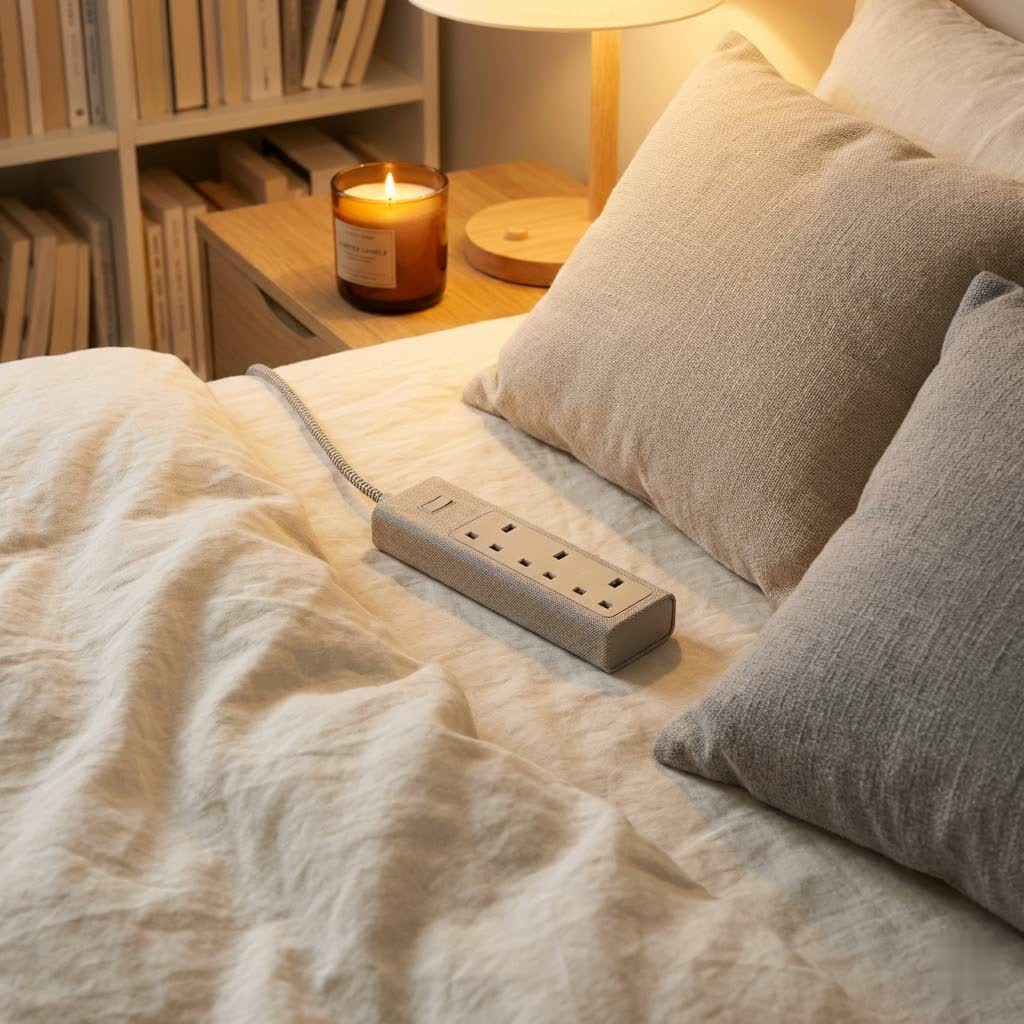
In a world brimming with electronic devices, from essential home appliances to sophisticated office equipment, managing power needs safely and efficiently is paramount. Many of us reach for a multi-outlet solution, but a common misconception lies in understanding the fundamental differences between a standard power strip and a surge protector. While they may look alike, their core functions diverge significantly, impacting the safety and longevity of your valuable electronics. As an Admin with over a decade of hands-on experience in electrical devices, particularly power strips, I’ve witnessed firsthand their evolution and the critical role they play in modern living. Let’s demystify these devices and equip you with the knowledge to make informed decisions for your home and office.
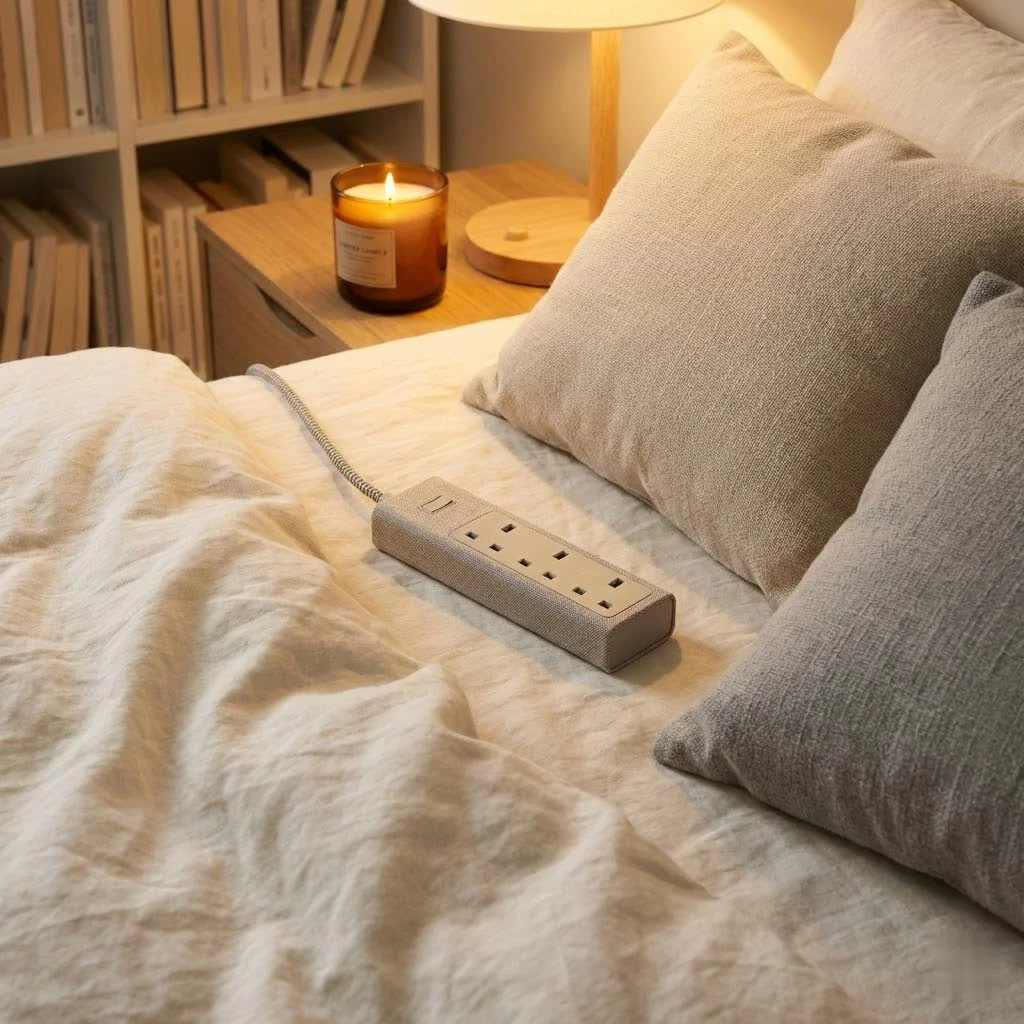
Power Strip vs. Surge Protector: What’s the Key Difference?
The terms “power strip” and “surge protector” are often used interchangeably, leading to confusion and, potentially, costly mistakes. Understanding their distinct roles is the first step toward safeguarding your electronic investments. For more power strips guides on this site.
What is a Power Strip?
At its core, a power strip is a simple device designed to expand the number of available electrical outlets from a single wall socket. Think of it as an extension cord with multiple receptacles. Its primary purpose is to offer convenience, allowing you to power several low-demand devices in one location where wall outlets are scarce. They typically feature an on/off switch that controls power to all connected outlets and may include an internal circuit breaker to prevent overloads by cutting power if too much current is drawn. However, a basic power strip does not offer any protection against sudden voltage fluctuations or power surges.
What is a Surge Protector?
A surge protector, while often resembling a power strip in form, is a more sophisticated device engineered to shield your electronic equipment from harmful electrical surges or spikes. These surges are transient increases in voltage that can occur in your electrical system and are capable of damaging or destroying sensitive electronics. Surge protectors contain internal components, most commonly Metal Oxide Varistors (MOVs), which detect excess voltage and safely divert the extra electricity away from your devices and into the grounding wire of your electrical system. This acts as a buffer, clamping down on the voltage to a safe level, thereby protecting connected gadgets.
Why are they often confused?
The visual similarity is the main culprit. Both devices typically come with multiple outlets and a cord to plug into a wall socket. However, a key differentiator for surge protectors is often an indicator light (usually green) that confirms the surge protection is active and functional. Without this, a device with multiple outlets should be assumed to be a basic power strip, offering no protective capabilities against power spikes.
Understanding Power Surges: The Invisible Threat
Power surges are unpredictable electrical events that can wreak havoc on your electronics. They are typically short-lived but intense bursts of electricity that exceed a device’s normal operating voltage.
Causes of Power Surges
|
Our Picks for the Best Power Strip in 2026
As an Amazon Associate I earn from qualifying purchases.
|
||
| Num | Product | Action |
|---|---|---|
| 1 | Belkin 12-Outlet Surge Protector Power Strip w/ 12 AC Outlets & 8ft Flat Plug, UL-listed Heavy-Duty Extension Cord for Home, Office, Travel, Computer, Laptop, Charger - 3,940 Joules of Protection |

|
| 2 | 6 Ft Surge Protector Power Strip - 8 Widely Outlets with 4 USB Ports, 3 Side Outlet Extender with 6 Feet Extension Cord, Flat Plug, Wall Mount, Desk USB Charging Station, ETL,White |
|
| 3 | Amazon Basics Surge Protector Power Strip, 6-Outlet with 200J Protection, 2ft Extension Cord, Rectangle, Black (2 Pack) |
|
| 4 | Amazon Basics Surge Protector Power Strip, 6-Outlet, 790 Joules, LED Indicator, 6ft Extension Cord, White |
|
| 5 | 10 Ft Ultra Thin Extension Cord, 5-Outlet Power Strip Surge Protector with 4 USB Ports (2 USB C), 1875W/15A, Low Profile Flat Plug, 1700 Joules, Wall Mount for Home Office, White |
|
| 6 | 3FT Ultra Flat Plug Extension Cord Power Strip with 3 Outlets, Patented Detachable Ultra-Thin Outlet Cover Concealer & Ultra-Flat Plug, Max. 13A 125V 1625W ETL Listed, White Color |
|
| 7 | Surge Protector Power Strip - CHCORE 5Ft Braided Extension Cord with 8 Outlets with 4 USB (2 USB C) Charging Ports, Flat Plug Multi Plug Outlet Extender Charging Station for Home Office, ETL, White |
|
| 8 | Pink Extension Cord with Surge Protector - 5 FT Kawaii Power Strip, Cute Extension Cord with 6 USB(3 USB C) and 8 Outlets, Pink Desk Accessories for Girl Cute Kawaii Room Decor Gifts Office Dorm Home |
|
| 9 | Amazon Basics Rectangle 6-Outlet, 600 Joule Surge Protector Power Strip, 2ft, Black, Small, 2-Pack |
|
| 10 | Surge Protector Power Strip - HANYCONY 8 Outlets 4 USB (2 USB C) Charging Ports, Multi Plug Outlet Extender, 5Ft Braided Extension Cord, Flat Plug Wall Mount Desk Charging Station for Home Office ETL |
|
Power surges can stem from a variety of sources, both external and internal. External causes often include lightning strikes, which can send massive voltage spikes through power lines, or issues with your utility company’s equipment, such as grid switching and downed power lines. Internally, surges can be generated when large appliances like refrigerators, air conditioners, or washing machines cycle on and off, creating temporary spikes in the electrical current as their motors start up. Even static electricity can cause minor surges.
How Surges Damage Electronics
When a power surge occurs, the excess voltage rushes through your electrical system. While modern electronics have some built-in tolerance for minor fluctuations, a significant surge can overwhelm these defenses. The high voltage can melt internal components, damage circuit boards, and corrupt data, leading to immediate device failure or cumulative damage that shortens their lifespan. For sensitive equipment like computers, televisions, and gaming consoles, adequate surge protection is not just a recommendation; it’s a necessity.
Choosing the Right Protection: Factors to Consider
Selecting the ideal power solution involves more than just counting outlets. For effective protection, especially when it comes to surge protectors, several technical specifications and features demand your attention.
Joule Rating: How much protection do you need?
The joule rating is arguably the most crucial specification for a surge protector, indicating the amount of energy it can absorb before failing. A higher joule rating means greater protection and a longer lifespan for the surge protector itself. For typical household electronics like lamps and chargers, a rating of 200-400 joules might suffice. However, for valuable and sensitive equipment such as computers, home theater systems, or gaming consoles, look for ratings between 1,000 to 2,000 joules or higher. Remember that MOVs degrade with each surge they absorb, so a higher joule rating implies more capacity to withstand multiple events over time.
Clamping Voltage and Response Time
Beyond joules, two other technical specs are vital:
- Clamping Voltage: This is the voltage level at which the surge protector begins to divert excess electricity. A lower clamping voltage (e.g., 330V or 400V) indicates better protection, as it activates sooner to shield your devices.
- Response Time: This measures how quickly the surge protector can react to a power surge. Measured in nanoseconds, a faster response time means your devices are exposed to harmful voltage for a shorter duration. Look for response times of less than one nanosecond.
Number of Outlets and Spacing
Consider how many devices you need to plug in and the size of their power adapters. Many modern designs offer widely spaced outlets to accommodate bulky “wall wart” chargers without blocking adjacent receptacles. Some also include rotating outlets for added flexibility.
Advanced Features: USB Charging, Smart Capabilities, Coax/Ethernet Protection
Today’s power solutions often come with extra features for convenience and enhanced protection:
- USB Charging Ports: Integrated USB-A and USB-C ports are common, allowing you to charge smartphones, tablets, and other USB-powered devices directly without needing separate adapters.
- Smart Capabilities: Wi-Fi-enabled power strips and surge protectors offer smart features like remote control via an app, scheduling outlets to turn on/off, and energy monitoring to track consumption. Some even integrate with smart home ecosystems like Alexa, Google Home, or Apple HomeKit.
- Coax/Ethernet/Phone Line Protection: High-end surge protectors extend protection beyond AC power lines to safeguard devices connected via coaxial cables (for cable TV/internet), Ethernet cables, or phone lines, as surges can travel through these pathways as well.
Safety Certifications and Warranties
Always look for safety certifications from recognized testing laboratories, such as UL (Underwriters Laboratories) 1449 standard, which verifies a surge protector meets safety and performance criteria. Many reputable surge protector manufacturers also offer connected equipment warranties, which provide financial compensation if properly connected devices are damaged by a surge while plugged into their protector. This warranty is a strong indicator of a manufacturer’s confidence in their product’s protective capabilities.
Types of Power Strips and Surge Protectors
The market offers a diverse range of power solutions tailored to different needs and environments.
Basic Power Strips
These are the most straightforward, offering multiple outlets and often a circuit breaker. They are ideal for non-sensitive devices that don’t require surge protection, such as lamps, basic phone chargers, or small appliances that already have robust internal surge protection.
Standard Surge Protectors
These are the most common type of surge protector, providing multiple AC outlets along with surge suppression. They are suitable for general electronics in homes and offices, offering a balance of convenience and protection.
Smart Power Strips/Surge Protectors
Integrating with smart home ecosystems, these devices offer app control, scheduling, and energy monitoring for individual outlets. They can be incredibly useful for automating your home and managing power consumption, often combining convenience with robust surge protection.
Wall-Mount and Tower Designs
For space-saving and organization, wall-mount surge protectors plug directly into a wall outlet, often expanding into multiple outlets and sometimes including USB ports. Tower-style surge protectors offer a vertical design with outlets on multiple sides, reducing clutter and making it easier to plug in various devices from different angles. These are particularly popular for workstations or entertainment centers.
Whole-Home Surge Protectors
Installed at your electrical service panel, a whole-home surge protector offers comprehensive protection for all appliances and electronics connected to your home’s electrical system, including major appliances. While typically requiring professional installation, they provide a higher level of defense against external surges and often boast significantly higher joule ratings.
Top Power Strips and Surge Protectors
When it comes to top-tier power solutions, brands like APC, Tripp Lite, Belkin, Anker, and TP-Link Kasa consistently receive high marks for their quality and reliability. Popular options often feature high joule ratings (e.g., 2000-3000+ joules), multiple well-spaced outlets, and modern conveniences like USB-A and USB-C charging ports. For example, some models offer advanced smart features, allowing you to remotely control individual outlets or monitor energy usage through a smartphone app, while others prioritize maximum surge protection and robust warranties for connected equipment. Leading models are typically characterized by a fail-safe design, where the unit stops supplying power once its protective components have worn out, signaling that it’s time for a replacement.
Essential Safety Tips for Power Strips and Surge Protectors
Even with the best equipment, improper use can lead to hazards. Adhering to safety guidelines is crucial for preventing electrical fires, shocks, and equipment damage.
- Avoid Overloading: Never plug in devices that collectively exceed the power strip’s maximum wattage rating. This can lead to overheating and fire. Use power strips with internal circuit breakers, which will trip and cut power in case of an overload.
- No “Daisy-Chaining”: Never plug one power strip or surge protector into another. This practice, known as “daisy-chaining,” can overload circuits and create a significant fire hazard, often voiding warranties and potentially leading to insurance claim denials.
- Placement Matters:
- Indoor Use Only: Unless specifically designed and rated for outdoor conditions, use power strips and surge protectors indoors only. Exposure to moisture can be extremely dangerous.
- Keep Uncovered: Ensure adequate ventilation around the device. Never hide power strips under carpets, rugs, or furniture, as this can trap heat and increase the risk of fire.
- Avoid Moist Areas: Do not use power strips in bathrooms, kitchens, laundry rooms, or basements, where moisture is prevalent.
- High-Draw Appliances: Avoid plugging high-amperage appliances like hair dryers, curling irons, space heaters, toasters, or microwaves into power strips or surge protectors. These devices draw significant power and should always be plugged directly into a wall outlet.
- Regular Inspection and Replacement: Periodically inspect your power strips and surge protectors for any signs of damage, such as frayed cords, discoloration, or a hot-to-the-touch casing. Surge protectors do not last forever; their internal MOVs degrade over time and after each surge. Many have an indicator light that will go out when the protection is no longer active. Replace them immediately if damaged or if the protection indicator light is off.
- Use Grounded Plugs: Always use devices with a three-prong grounded plug, and never attempt to bypass the ground pin with adapters, as this compromises safety.
Conclusion
Choosing between a power strip and a surge protector, or selecting the right combination for your needs, boils down to understanding their distinct functions and the level of protection your devices require. While a basic power strip offers convenient outlet expansion for low-demand electronics, a quality surge protector is an indispensable guardian for your sensitive and valuable gear, shielding it from the unpredictable threat of electrical surges. By paying attention to joule ratings, clamping voltages, and safety features, and by following essential safety guidelines, you can ensure both convenience and peace of mind. Invest wisely in your power solutions—it’s a small expense that can prevent significant losses. What power solutions have you found most effective in safeguarding your electronics?
Frequently Asked Questions
How often should I replace my surge protector?
Surge protectors don’t last indefinitely as their internal components, primarily MOVs, wear out by absorbing surges. A good rule of thumb is to replace them every 3-5 years, or immediately if they’ve absorbed a major surge (like a lightning strike) or if the “protected” indicator light goes out.
Can I use a power strip for a refrigerator or microwave?
No, it is generally unsafe to plug high-current appliances like refrigerators, microwaves, washing machines, or space heaters into a power strip or surge protector. These appliances draw significant power and should be plugged directly into a dedicated wall outlet to prevent overheating and potential fire hazards.
Do smart power strips also offer surge protection?
Many smart power strips indeed integrate surge protection alongside their smart features like Wi-Fi control, scheduling, and energy monitoring. However, it’s crucial to always check the product’s specifications and joule rating to confirm it offers adequate surge protection for your connected devices.
What does a joule rating mean?
The joule rating indicates the amount of energy a surge protector can absorb before its protective components fail. A higher joule rating means the device can withstand larger surges or more frequent smaller surges, providing better and longer-lasting protection for your electronics.
Is a higher joule rating always better?
Generally, yes, a higher joule rating signifies a greater capacity to absorb electrical surges, leading to more robust protection and a longer operational lifespan for the surge protector. However, consider your specific needs; a very high joule rating might be overkill for less sensitive devices, while it’s essential for expensive electronics.
Get our weekly buyer guide
Practical specs, not advice. Unsubscribe anytime.
