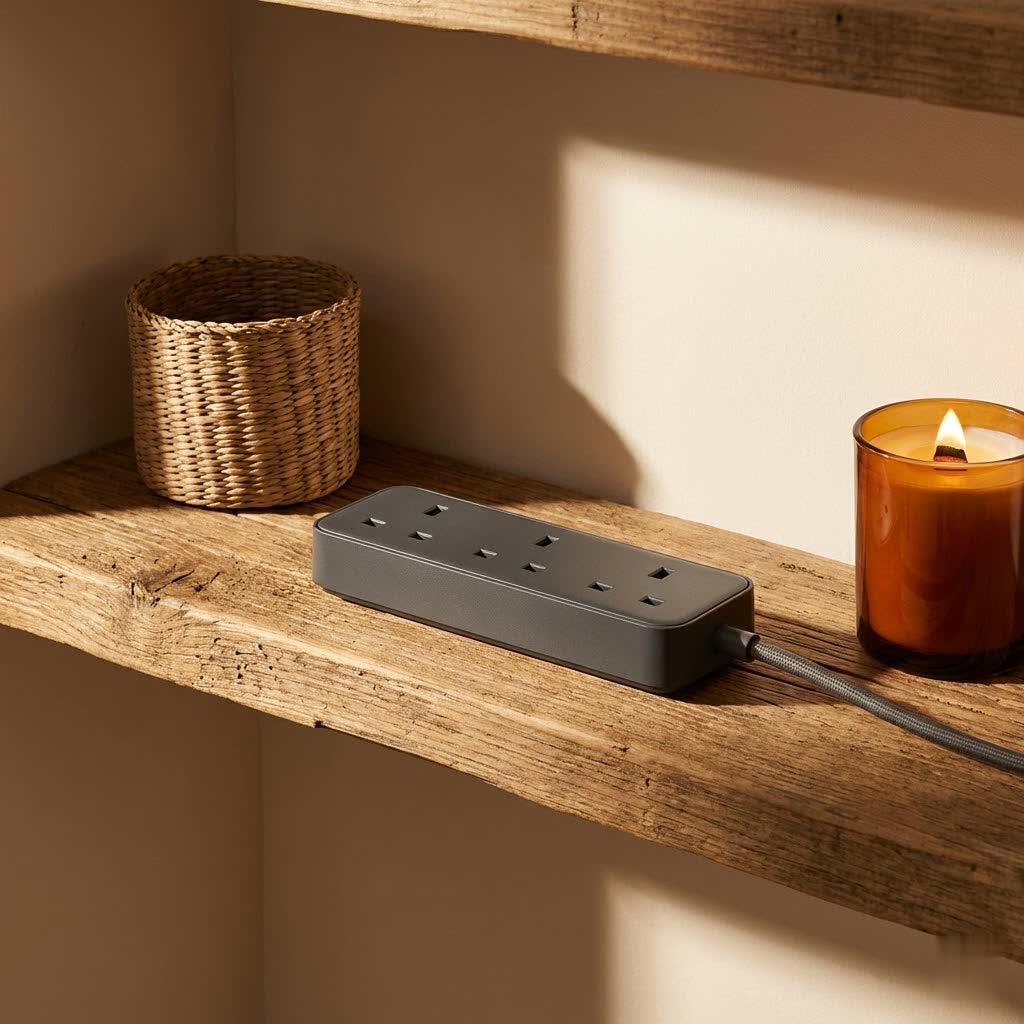
Are tangled cords and bulky plugs turning your living or workspace into a chaotic mess? It’s a common frustration in our increasingly connected world, where every device demands its own power source. Fortunately, a sleek and innovative solution exists: the flat power strip. This modern essential is designed not only to expand your power access but also to seamlessly blend into your environment, offering both enhanced safety and a refined aesthetic. Dive in to discover how a flat power strip can transform your home or office into an organized, efficient haven.
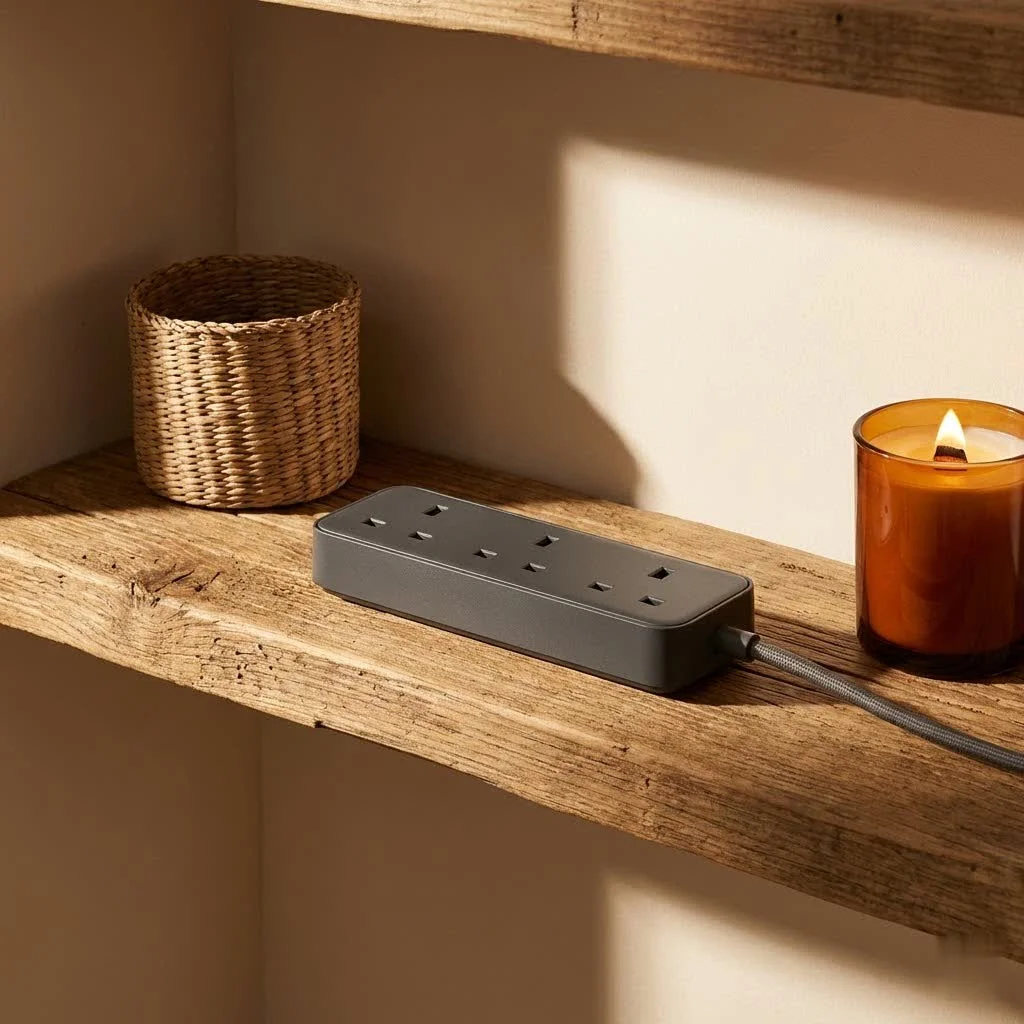
What is a Flat Power Strip? Why You Need One
A flat power strip, often referred to as a flat plug extension cord or low-profile power strip, is an advanced version of the traditional power outlet extender. Its defining characteristic is a slim, right-angle plug that sits flush against the wall. Unlike conventional bulky plugs that protrude, creating unsightly gaps and potential hazards, the flat plug design allows furniture and appliances to be placed closer to the wall, maximizing valuable space and creating a neater appearance. This clever design makes it an indispensable tool for protecting your electronics and enhancing convenience in any setting.
The importance of a power strip extends beyond simply adding outlets; it’s about strategic power distribution and protection. In today’s homes and offices, with numerous devices from smartphones and laptops to smart home gadgets and entertainment systems, standard wall outlets are rarely sufficient. Flat power strips address this challenge, offering multiple receptacles and often integrating features like USB charging ports and surge protection.
Common Types of Power Strips
The market offers a diverse range of power strips, each catering to different needs:
- Standard Power Strips: Basic functionality, offering multiple AC outlets without advanced features.
- Surge Protector Power Strips: Crucial for sensitive electronics, these include surge suppression to safeguard devices from voltage spikes.
- USB Power Strips: Integrated USB-A and increasingly USB-C ports provide direct charging for mobile devices, reducing the need for bulky adapters.
- Smart Power Strips: Equipped with Wi-Fi connectivity, allowing remote control, scheduling, and energy monitoring via smartphone apps or voice assistants.
- Flat Plug Power Strips: Distinguished by their low-profile wall plug, offering superior space-saving benefits.
Categorizing Flat Power Strips: Finding Your Perfect Match
Choosing the right flat power strip involves considering its specific features and how they align with your daily needs. The “flat” aspect primarily refers to the wall plug, but the strip itself can come in various configurations.
By Number of Outlets
|
Our Picks for the Best Power Strip in 2026
As an Amazon Associate I earn from qualifying purchases.
|
||
| Num | Product | Action |
|---|---|---|
| 1 | 3FT Ultra Flat Plug Extension Cord Power Strip with 3 Outlets, Patented Detachable Ultra-Thin Outlet Cover Concealer & Ultra-Flat Plug, Max. 13A 125V 1625W ETL Listed, White Color |

|
| 2 | Amazon Basics Surge Protector Power Strip, 6-Outlet, 790 Joules, LED Indicator, 6ft Extension Cord, White |
|
| 3 | 10 Ft Ultra Thin Extension Cord, 5-Outlet Power Strip Surge Protector with 4 USB Ports (2 USB C), 1875W/15A, Low Profile Flat Plug, 1700 Joules, Wall Mount for Home Office, White |
|
| 4 | Pink Extension Cord with Surge Protector - 5 FT Kawaii Power Strip, Cute Extension Cord with 6 USB(3 USB C) and 8 Outlets, Pink Desk Accessories for Girl Cute Kawaii Room Decor Gifts Office Dorm Home |
|
| 5 | Amazon Basics Rectangle 6-Outlet, 600 Joule Surge Protector Power Strip, 2ft, Black, Small, 2-Pack |
|
| 6 | Surge Protector Power Strip - CHCORE 5Ft Braided Extension Cord with 8 Outlets with 4 USB (2 USB C) Charging Ports, Flat Plug Multi Plug Outlet Extender Charging Station for Home Office, ETL, White |
|
| 7 | Amazon Basics Surge Protector Power Strip, 6-Outlet with 200J Protection, 2ft Extension Cord, Rectangle, Black (2 Pack) |
|
| 8 | Surge Protector Power Strip - HANYCONY 8 Outlets 4 USB (2 USB C) Charging Ports, Multi Plug Outlet Extender, 5Ft Braided Extension Cord, Flat Plug Wall Mount Desk Charging Station for Home Office ETL |
|
| 9 | 6 Ft Surge Protector Power Strip - 8 Widely Outlets with 4 USB Ports, 3 Side Outlet Extender with 6 Feet Extension Cord, Flat Plug, Wall Mount, Desk USB Charging Station, ETL,White |
|
| 10 | Belkin 12-Outlet Surge Protector Power Strip w/ 12 AC Outlets & 8ft Flat Plug, UL-listed Heavy-Duty Extension Cord for Home, Office, Travel, Computer, Laptop, Charger - 3,940 Joules of Protection |
|
The number of outlets dictates how many devices you can power simultaneously.
- Compact Flat Power Strips (2-4 Outlets): Ideal for basic needs or travel, these are often very portable. Anker Nano power strips, for example, offer a compact square design with a flat plug, two AC outlets, and multiple USB ports, making them perfect for remote work or small charging stations.
- Standard Flat Power Strips (5-8 Outlets): A popular choice for homes and offices, providing ample outlets for a computer setup, entertainment center, or kitchen appliances. Models often feature widely spaced outlets to accommodate larger power adapters without obstruction.
- High-Capacity Flat Power Strips (8+ Outlets): For power-intensive environments or those with numerous electronics, these strips offer extensive connectivity. Some designs might arrange outlets on multiple sides or in a tower format to maximize usability without a larger footprint.
By Features
Beyond basic power distribution, flat power strips can offer specialized functionalities.
- Basic Flat Power Strips: Provide essential multi-outlet expansion with the added benefit of a low-profile plug, typically at an affordable price point.
- Flat Power Strips with Surge Protection: Many flat power strips now incorporate surge protection, measured in joules. This is vital for safeguarding sensitive electronics like computers, TVs, and gaming consoles from voltage fluctuations. Look for ratings in the thousands of joules for optimal protection.
- Flat Power Strips with USB Charging: The integration of USB-A and USB-C ports is a significant convenience. USB-C Power Delivery (PD) ports offer faster charging for compatible laptops, tablets, and smartphones. Tessan flat plug power strips, for instance, are noted for their compact design, multiple AC outlets, and standard USB ports, making them suitable for tabletop charging stations or travel.
- Smart Flat Power Strips: While less common in the ultra-flat plug form, some power strips combine smart capabilities with a low-profile design. These allow for app-based control, scheduling, and energy monitoring of individual outlets, enhancing both convenience and energy efficiency.
By Design
The physical form factor of the power strip itself, in conjunction with the flat plug, adds another layer of versatility.
- Portable Flat Power Strips: Designed for travel or on-the-go use, these are often compact, lightweight, and feature flexible cords that wrap for easy storage.
- Wall-Mountable Flat Power Strips: Equipped with keyhole slots or even magnetic backing, these can be securely attached to walls, desks, or metal surfaces, keeping them off the floor and out of the way. This is particularly useful in workshops or behind entertainment centers.
- Rotating Flat Plugs: Some innovative designs feature a 360° rotating flat plug, offering even greater flexibility to adjust the cord direction in tight spaces without unnecessary bends. This helps prevent cord damage and improves overall aesthetics.
Choosing the Right Flat Power Strip: Essential Considerations
Selecting the best flat power strip requires careful thought to match your specific requirements and ensure safety.
Identify Your Needs
Start by assessing how and where you’ll use the flat power strip:
- Number of Devices: Count the devices you need to plug in and consider both AC and USB charging requirements.
- Location: Determine if it will be behind furniture, under a desk, in a travel bag, or mounted on a wall. This impacts cord length, power strip size, and plug orientation.
- Features: Do you need surge protection for expensive electronics? Are USB-C fast-charging ports essential for your mobile devices? Do you desire smart home integration for remote control?
Prioritize Reputable Brands
Opt for brands known for quality and safety. Manufacturers like Anker, Tessan, Belkin, and AmazonBasics frequently receive positive reviews for their flat power strip offerings. Always check for certifications such as UL certification, which signifies that the product meets stringent safety standards.
Review Technical Specifications
Understanding the technical details ensures your flat power strip can handle your devices safely:
- Maximum Wattage and Amperage: Ensure the strip’s capacity (e.g., 1875W, 15A) is sufficient for the total power draw of your connected devices. Overloading is a primary cause of electrical hazards.
- Surge Protection Rating (Joules): For sensitive electronics, a higher joule rating (e.g., 1000J or more) provides better protection against power spikes. Remember that surge protectors degrade over time and should be replaced every 2-3 years, or after a significant surge event.
- Cord Length: Choose a cord long enough to reach your desired location without needing additional extension cords, but not excessively long to avoid clutter.
- Safety Features: Look for integrated circuit breakers that automatically cut power during an overload, as well as fire-resistant housing and grounded plugs.
Compare Features and Value
While a flat power strip might seem like a simple purchase, comparing options based on their features, build quality, and price can lead to a more satisfactory investment. Read user reviews to gain insights into real-world performance and durability.
Safe and Effective Use of Your Flat Power Strip
To ensure the longevity of your flat power strip and, more importantly, the safety of your home and devices, follow these critical guidelines:
- Avoid Overloading: Never plug in more devices than the power strip is rated for. High-power-capacity appliances such as space heaters, air conditioners, refrigerators, microwaves, and toaster ovens should always be plugged directly into a wall outlet, not a power strip.
- Prevent Daisy-Chaining: Connecting multiple power strips together is known as “daisy-chaining” and is a significant fire hazard. It can easily overload the circuit and lead to overheating and potential fires.
- Regular Inspection: Periodically check your flat power strip and its cords for any signs of damage, fraying, or discoloration. Replace any old or damaged strips immediately.
- Mind the Environment: Do not use power strips in wet or damp conditions unless they are specifically rated for outdoor or bathroom use (e.g., IPX-rated).
- Unplug During Storms: During lightning storms, the most reliable way to protect sensitive electronics is to unplug them entirely from the wall outlet, as even high-joule surge protectors may not withstand a direct lightning strike.
Conclusion
The flat power strip is more than just an accessory; it’s an intelligent upgrade for managing your electrical devices in the modern home or office. With its space-saving design, enhanced safety features, and often integrated USB charging capabilities, it offers a seamless and aesthetically pleasing solution to power dilemmas. By understanding the different types, carefully considering your needs, and adhering to safety guidelines, you can choose the perfect flat power strip to declutter your space and keep your electronics running smoothly.
Ready to optimize your power setup? Explore the variety of flat power strips available and discover the convenience of a truly organized and efficient charging station. What improvements have you seen by switching to a flat power strip?
Frequently Asked Questions
Are flat power strips safer than regular power strips?
Flat power strips, particularly those with low-profile plugs, can enhance safety by reducing tripping hazards and allowing furniture to sit flush against the wall, minimizing cord damage. However, their overall safety also depends on features like surge protection, circuit breakers, and UL certification, which you should always check.
Can I plug a flat power strip behind a TV or heavy furniture?
Yes, this is one of the primary benefits of a flat power strip. Its low-profile plug is designed to fit snugly behind furniture and wall-mounted devices, allowing them to sit closer to the wall without obstructing the plug or bending the cord awkwardly.
Do flat power strips offer surge protection?
Many flat power strips come with built-in surge protection, indicated by a joule rating. This feature is crucial for protecting your electronic devices from power spikes. However, some very compact or travel-specific models may not include surge protection, so always check the product specifications.
How often should I replace my flat power strip?
For power strips with surge protection, it’s generally recommended to replace them every 2 to 3 years, or immediately after a major power surge. Even without visible damage, the surge protection components can degrade over time and lose effectiveness.
What devices should I avoid plugging into a flat power strip?
You should never plug high-power-consuming appliances like space heaters, air conditioners, refrigerators, microwaves, or toaster ovens into any power strip, including flat power strips. These devices draw significant current and can overload the power strip and electrical circuit, posing a fire risk.
Get our weekly buyer guide
Practical specs, not advice. Unsubscribe anytime.
