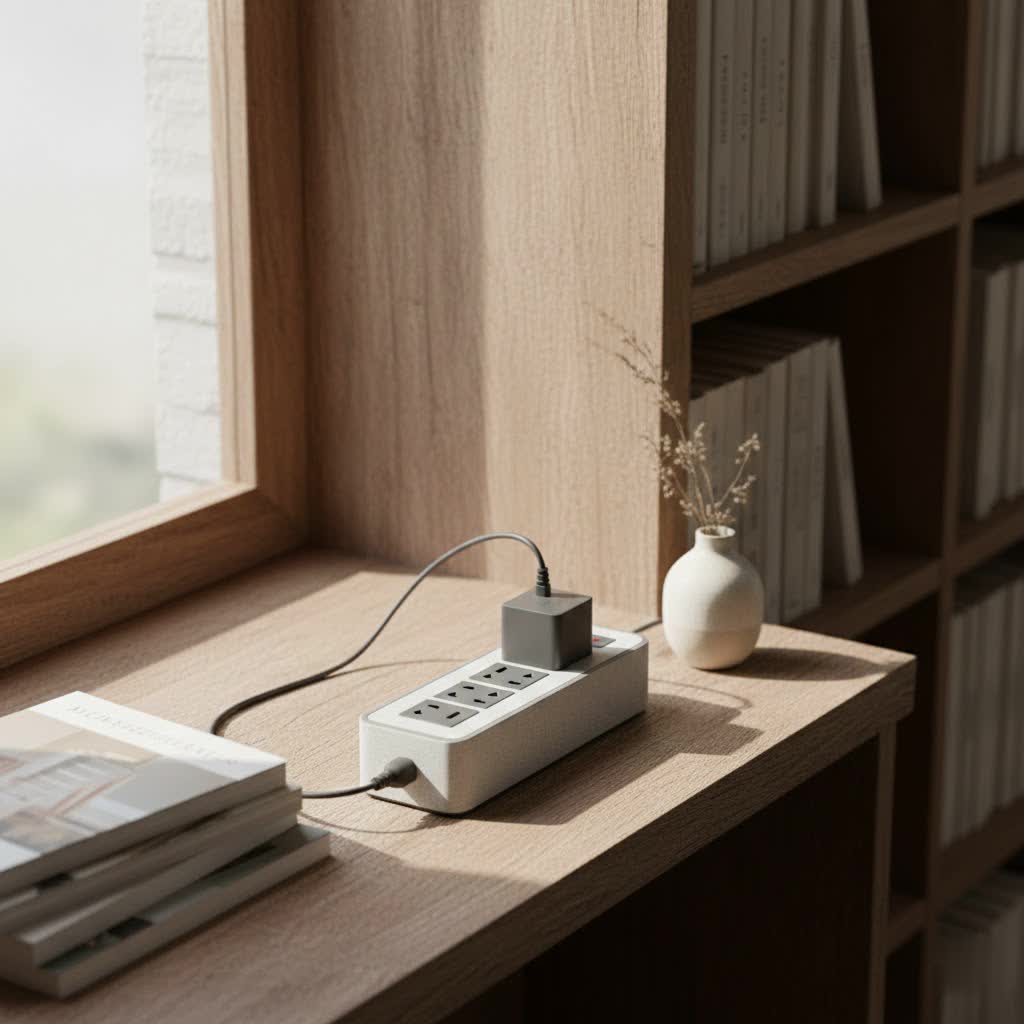
In today’s interconnected world, our lives revolve around a multitude of electronic devices. From powerful desktop computers and immersive home theater systems to essential kitchen appliances and smart home gadgets, each represents a significant investment. Yet, these valuable electronics are constantly vulnerable to the silent, often unseen threat of electrical surges and spikes. A simple power fluctuation can instantly damage your prized possessions or gradually degrade their performance over time. This guide will walk you through everything you need to know about choosing the best power strip surge protector, ensuring your devices remain safe, functional, and ready for action.
Understanding Power Strip Surge Protectors: Your First Line of Defense
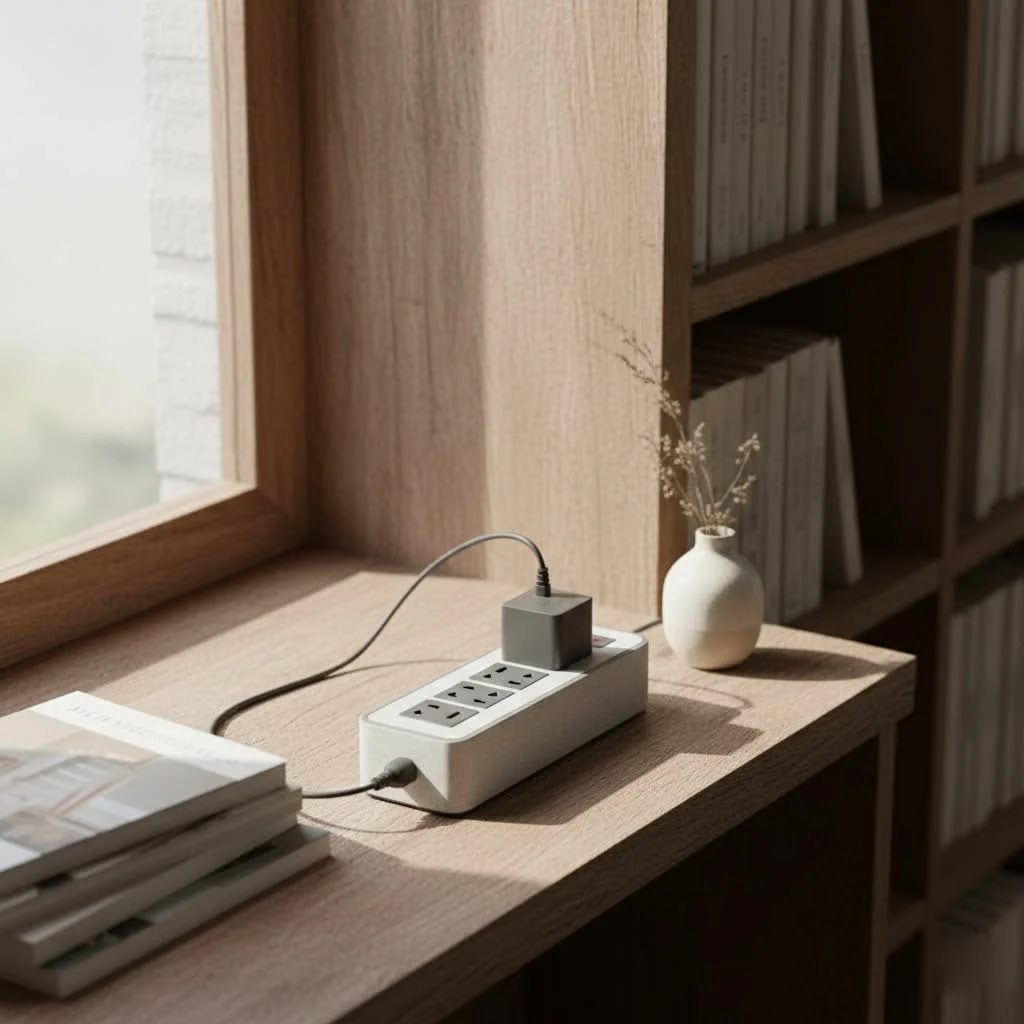
At its core, a power strip surge protector is more than just a multi-outlet extension cord. While a standard power strip simply expands the number of available outlets, a surge protector incorporates crucial technology designed to shield your electronics from sudden increases in electrical voltage.
What is a Power Strip Surge Protector?
It’s an electrical device that combines the convenience of multiple outlets with the critical function of diverting excess voltage away from connected equipment. It acts as a buffer, absorbing or blocking power surges that can occur from various sources.
Why Do You Need One?
Electrical surges and spikes are common occurrences, often resulting from lightning strikes, power grid fluctuations, or even the cycling on and off of high-power appliances within your home. These events can send a rush of electricity through your wiring, far exceeding the normal operating voltage of your devices. Without a surge protector, this excess voltage can lead to:
- Instantaneous Damage: Catastrophic failure of sensitive components.
- Gradual Degradation: Shortened lifespan and reduced performance of electronics over time.
- Data Loss: Corruption of important files on computers and storage devices.
A quality surge protector diverts this dangerous excess electricity to the ground, allowing only the correct voltage to reach your devices, thus extending their life and protecting your investment.
Types of Power Strip Surge Protectors: Finding Your Match
Power strip surge protectors come in various forms and with diverse feature sets, catering to different needs and environments. Understanding the classifications will help you pinpoint the ideal solution for your setup.
By Number of Outlets
The number of AC outlets is a primary consideration, directly impacting how many devices you can power.
- 3-4 Outlets: Ideal for basic setups, travel, or small areas where only a few devices need protection. These are often compact and portable.
- 5-6 Outlets: A common choice for general home use, providing enough connectivity for a TV, game console, and a couple of other peripherals.
- 8-12+ Outlets: Best for demanding environments like home offices, entertainment centers, or workstations where numerous devices (computers, monitors, printers, audio equipment) require power and protection. Some high-capacity models can offer 12 or more outlets.
By Features
|
Our Picks for the Best Power Strip in 2026
As an Amazon Associate I earn from qualifying purchases.
|
||
| Num | Product | Action |
|---|---|---|
| 1 | Surge Protector Power Strip - HANYCONY 8 Outlets 4 USB (2 USB C) Charging Ports, Multi Plug Outlet Extender, 5Ft Braided Extension Cord, Flat Plug Wall Mount Desk Charging Station for Home Office ETL |

|
| 2 | 10 Ft Ultra Thin Extension Cord, 5-Outlet Power Strip Surge Protector with 4 USB Ports (2 USB C), 1875W/15A, Low Profile Flat Plug, 1700 Joules, Wall Mount for Home Office, White |
|
| 3 | Amazon Basics Rectangle 6-Outlet, 600 Joule Surge Protector Power Strip, 2ft, Black, Small, 2-Pack |
|
| 4 | Belkin 12-Outlet Surge Protector Power Strip w/ 12 AC Outlets & 8ft Flat Plug, UL-listed Heavy-Duty Extension Cord for Home, Office, Travel, Computer, Laptop, Charger - 3,940 Joules of Protection |
|
| 5 | Pink Extension Cord with Surge Protector - 5 FT Kawaii Power Strip, Cute Extension Cord with 6 USB(3 USB C) and 8 Outlets, Pink Desk Accessories for Girl Cute Kawaii Room Decor Gifts Office Dorm Home |
|
| 6 | Amazon Basics Surge Protector Power Strip, 6-Outlet with 200J Protection, 2ft Extension Cord, Rectangle, Black (2 Pack) |
|
| 7 | Amazon Basics Surge Protector Power Strip, 6-Outlet, 790 Joules, LED Indicator, 6ft Extension Cord, White |
|
| 8 | 6 Ft Surge Protector Power Strip - 8 Widely Outlets with 4 USB Ports, 3 Side Outlet Extender with 6 Feet Extension Cord, Flat Plug, Wall Mount, Desk USB Charging Station, ETL,White |
|
| 9 | 3FT Ultra Flat Plug Extension Cord Power Strip with 3 Outlets, Patented Detachable Ultra-Thin Outlet Cover Concealer & Ultra-Flat Plug, Max. 13A 125V 1625W ETL Listed, White Color |
|
| 10 | Surge Protector Power Strip - CHCORE 5Ft Braided Extension Cord with 8 Outlets with 4 USB (2 USB C) Charging Ports, Flat Plug Multi Plug Outlet Extender Charging Station for Home Office, ETL, White |
|
Beyond the basic function, modern power strip surge protectors integrate a range of features that enhance convenience and protection.
- Standard Surge Protectors: These offer fundamental surge protection and multiple outlets at an affordable price, suitable for less critical electronics.
- Surge Protectors with USB Charging Ports: A ubiquitous feature, many models now include USB-A and/or USB-C ports, allowing you to charge smartphones, tablets, and other gadgets directly without needing bulky wall adapters.
- High Joule Rating Protectors: For highly sensitive and expensive electronics like gaming PCs, large screen TVs, or professional audio equipment, models with a higher joule rating provide superior and longer-lasting protection.
- Smart Power Strips: These advanced power strips can be controlled remotely via Wi-Fi, offering features like individual outlet control, scheduling, and energy monitoring through a smartphone app or voice assistants.
- Coaxial and Ethernet Protection: Essential for home theater systems or network setups, these ports protect against surges that can travel through data lines, safeguarding modems, routers, and cable boxes.
- Wall-Mountable Designs: For space-saving and organized cable management, some surge protectors feature keyhole slots for easy wall mounting.
- Rotating and Widely Spaced Outlets: Designed to accommodate oversized power bricks and adapters without blocking adjacent outlets, preventing clutter and maximizing usability.
By Design
The physical form factor of a power strip surge protector can significantly impact its practicality and aesthetics in your space.
- Traditional Strip Design: The most common form, a long flat strip that lies on the floor or a desk, suitable for hiding behind furniture.
- Tower Design: Vertical orientation helps save floor or desk space, often featuring outlets on multiple sides and making it easier to plug in devices from various angles.
- Compact/Travel Design: Small, lightweight models perfect for slipping into a laptop bag or backpack, offering portable protection when you’re on the go. These often come with fewer outlets but remain essential for protecting devices in hotels or cafes.
Comparison of Common Power Strip Surge Protectors
When comparing different power strip surge protectors, it’s crucial to look beyond just the number of outlets. Key criteria like joule rating, clamping voltage, and additional features define their effectiveness and suitability for various applications.
- For Basic Home Use: A 6-outlet surge protector with at least 800-1000 Joules of protection and basic USB charging ports often suffices for lamps, phone chargers, and small kitchen appliances. These are typically budget-friendly.
- For Office & Entertainment: Here, higher protection is paramount. Look for 8-12 outlets, a joule rating of 2000-4000+, multiple USB-A and USB-C ports, and features like wide-spaced outlets or coax/Ethernet protection. Brands like Anker and Tripp Lite often excel in this category, offering robust protection and generous connected equipment warranties.
- For Specialized Needs (e.g., Travel, Smart Home): Compact, durable models with sufficient USB ports are ideal for travel. For smart homes, integrated Wi-Fi control and energy monitoring features become a priority, although the core surge protection metrics (joules, clamping voltage) should never be overlooked.
Each type presents its own set of advantages and disadvantages. Basic strips are cost-effective but offer less protection, while advanced units provide comprehensive safeguarding at a higher price point. Your ideal choice will balance these factors with your specific device requirements and budget.
Buying Guide: Essential Considerations for Your Power Strip Surge Protector
Choosing the right power strip surge protector involves more than just picking one off the shelf. Here are the critical factors to consider to ensure you get the best protection for your electronics.
1. Identify Your Usage Needs
Before anything else, evaluate what you intend to plug in:
- Number of Devices: Count the AC plugs and USB cables you’ll need.
- Type of Devices: Are you protecting a high-end gaming PC and expensive TV, or just a lamp and phone charger? More sensitive and valuable electronics require higher protection.
- Location: Will it be hidden behind a desk, mounted on a wall, or placed in a visible spot where aesthetics matter?
- Desired Features: Do you need USB ports, a long cord, a flat plug, individual outlet switches, or smart capabilities?
2. Check Key Specifications and Ratings
These technical details are crucial for effective protection:
- Joule Rating: This is the most important indicator of a surge protector’s capacity to absorb energy. Higher joule ratings (e.g., 2000-4000+) mean greater protection and a longer lifespan for the unit. For general use, aim for at least 1000 Joules. For expensive electronics, seek 2000 Joules or more.
- Clamping Voltage (Voltage Protection Rating – VPR): This indicates the voltage level at which the surge protector kicks in to divert excess electricity. Lower clamping voltage (e.g., 330V or 400V) means faster protection. The lowest UL rating for clamping voltage is 330V, which is ideal.
- Response Time: Measured in nanoseconds, this refers to how quickly the surge protector reacts to a surge. A lower response time (e.g., 1 nanosecond) is better, indicating near-instantaneous protection.
- UL Listing: Always ensure the surge protector is UL (Underwriters Laboratories) listed. This certification confirms that the product meets stringent safety standards.
- Amperage/Wattage Capacity: Check the maximum electrical load the surge protector can handle. Ensure the total power draw of your connected devices does not exceed this rating.
3. Evaluate Safety Features
Beyond basic protection, additional safety features enhance overall reliability:
- Overload Protection (Circuit Breaker): This feature automatically cuts power if the connected devices draw too much current, preventing overheating and potential fires.
- Automatic Shut-off: Some advanced surge protectors will permanently stop providing power once their surge protection components have worn out, indicating it’s time for a replacement.
- Flame-Retardant Casing: High-quality units are constructed with fire-resistant materials for added safety.
- Grounded and Protected Indicator Lights: These LEDs confirm that the surge protector is properly grounded and its protection circuitry is active. If the “protected” light goes out, the unit has sacrificed itself and needs replacement.
- Child-Proof Outlet Covers: Important for homes with young children, these covers prevent accidental insertion of objects into outlets.
4. Consider Connected Equipment Warranty (CEW)
Many reputable manufacturers offer a Connected Equipment Warranty (CEW), which is a policy that reimburses you for damages to devices properly connected to their surge protector if a surge bypasses the unit. Look for a substantial warranty (e.g., $100,000 to $300,000 or more), as it reflects the manufacturer’s confidence in their product’s protection capabilities. Always read the terms and conditions carefully.
5. Research Brands and User Reviews
Stick to reputable brands known for quality and reliability. Well-known names in the surge protector market include Anker, Tripp Lite, Belkin, CyberPower, and Monoprice. Always read recent user reviews to get real-world insights into a product’s performance, durability, and any potential issues.
Top Power Strip Surge Protectors Today
Based on expert reviews and consumer feedback, several power strip surge protectors consistently stand out for their performance, features, and reliability.
- Anker 351 Power Strip: Often lauded as a top overall pick, the Anker 351 typically offers a generous number of AC outlets (e.g., 12), multiple USB-A and USB-C charging ports, a respectable joule rating (around 2100J), and a significant connected equipment warranty. Its design often features widely spaced outlets and a flat plug, making it versatile for various setups.
- Tripp Lite Protect It 12-Outlet Surge Protector: For maximum protection, especially for high-value electronics, the Tripp Lite series is a strong contender. Models like the Protect It 12-outlet feature very high joule ratings (e.g., 2880J), comprehensive 3-line protection, and an excellent connected equipment warranty. They often include advanced features like automatic shut-down when protection degrades and sometimes offer coax/Ethernet protection.
- Anker PowerPort Strip 12: Another excellent offering from Anker, this model often boasts an even higher joule rating (e.g., 4000J) for superior protection, alongside numerous AC outlets and fast-charging USB ports. Its clean design and high energy rating make it suitable for power-hungry workstations or entertainment centers.
- JACKYLED Surge Protector Charging Station: This tower-style surge protector is praised for its space-saving vertical design, making it ideal for crowded desks or entertainment units. It typically offers a large number of AC outlets and multiple USB ports, providing ample connectivity in a compact form factor.
- One Beat 6-Outlet Surge Protector: For those on a budget or needing a compact solution for travel, the One Beat 6-outlet model provides essential surge protection (around 900J) with multiple AC and USB ports in a small footprint. Its multi-sided outlet design helps reduce clutter.
When selecting from these top contenders, consider which features align best with your specific needs—whether it’s raw surge protection power, a high number of USB ports, or a space-saving design.
Tips for Safe and Effective Use of Your Power Strip Surge Protector
Even the best power strip surge protector requires proper usage to ensure maximum safety and effectiveness.
- Avoid Overloading: Never plug in more devices than the surge protector’s maximum wattage or amperage rating. Overloading can trip the circuit breaker or, worse, cause overheating and fire hazards.
- Do Not “Daisy-Chain”: Never plug one surge protector into another. This practice, known as “daisy-chaining,” can create an overloaded circuit and bypass safety features, leading to fire risks.
- Place in Dry Locations: Keep surge protectors away from water sources, high humidity, and damp environments to prevent electrical hazards.
- Regularly Inspect for Damage: Periodically check the surge protector’s cord, plug, and casing for any signs of wear, fraying, cracks, or discoloration. Replace immediately if damage is found.
- Replace When Protection Wears Out: Surge protectors have a finite capacity to absorb surges. If the “protected” indicator light goes out, it means the surge protection components have worn out, and the unit can no longer protect your devices. Even without visible damage or indicator lights, it’s generally recommended to replace surge protectors every 3 to 5 years, as their internal components degrade over time.
- Use for Appropriate Devices: While surge protectors are excellent for electronics, they are generally not recommended for high-power appliances like refrigerators, freezers, microwaves, or air conditioners directly, as these can easily overload the strip and should be plugged directly into a dedicated wall outlet or a specialized heavy-duty appliance surge protector.
Conclusion
Investing in the best power strip surge protector is a smart decision for anyone looking to safeguard their valuable electronic devices from the unpredictable nature of electrical surges and spikes. By understanding the critical specifications like joule rating and clamping voltage, assessing your specific needs for outlets and features, and choosing a reputable brand with a good warranty, you can provide robust protection for your home or office electronics. Remember to follow safe usage guidelines and replace your surge protector periodically to maintain optimal defense. Don’t leave your electronics vulnerable; empower them with the protection they deserve.
Frequently Asked Questions
What is the difference between a power strip and a surge protector?
A power strip merely provides additional outlets from a single wall socket. A surge protector, on the other hand, does this while also protecting connected devices from power spikes and surges by diverting excess electricity.
How many joules do I need in a surge protector?
For general electronics and office equipment, aim for at least 1000 Joules. For expensive and sensitive equipment like computers, home theater systems, or gaming consoles, 2000 Joules or higher is recommended for enhanced protection and longevity.
How often should I replace my surge protector?
While there’s no fixed rule, most experts recommend replacing surge protectors every 3 to 5 years, or immediately if the “protected” indicator light goes out. This is because their internal components degrade with each surge absorbed, reducing their effectiveness over time.
Can a surge protector protect against lightning strikes?
A surge protector can help mitigate the damage from indirect lightning strikes (those hitting power lines nearby), but no consumer-grade surge protector can guarantee protection against a direct lightning strike. For comprehensive protection, consider a whole-house surge protector.
Is a higher clamping voltage better for a surge protector?
No, for clamping voltage, a lower number is actually better. A lower clamping voltage (e.g., 330V) means the surge protector activates and diverts excess power more quickly, providing faster and more effective protection for your connected devices.
Get our weekly buyer guide
Practical specs, not advice. Unsubscribe anytime.
