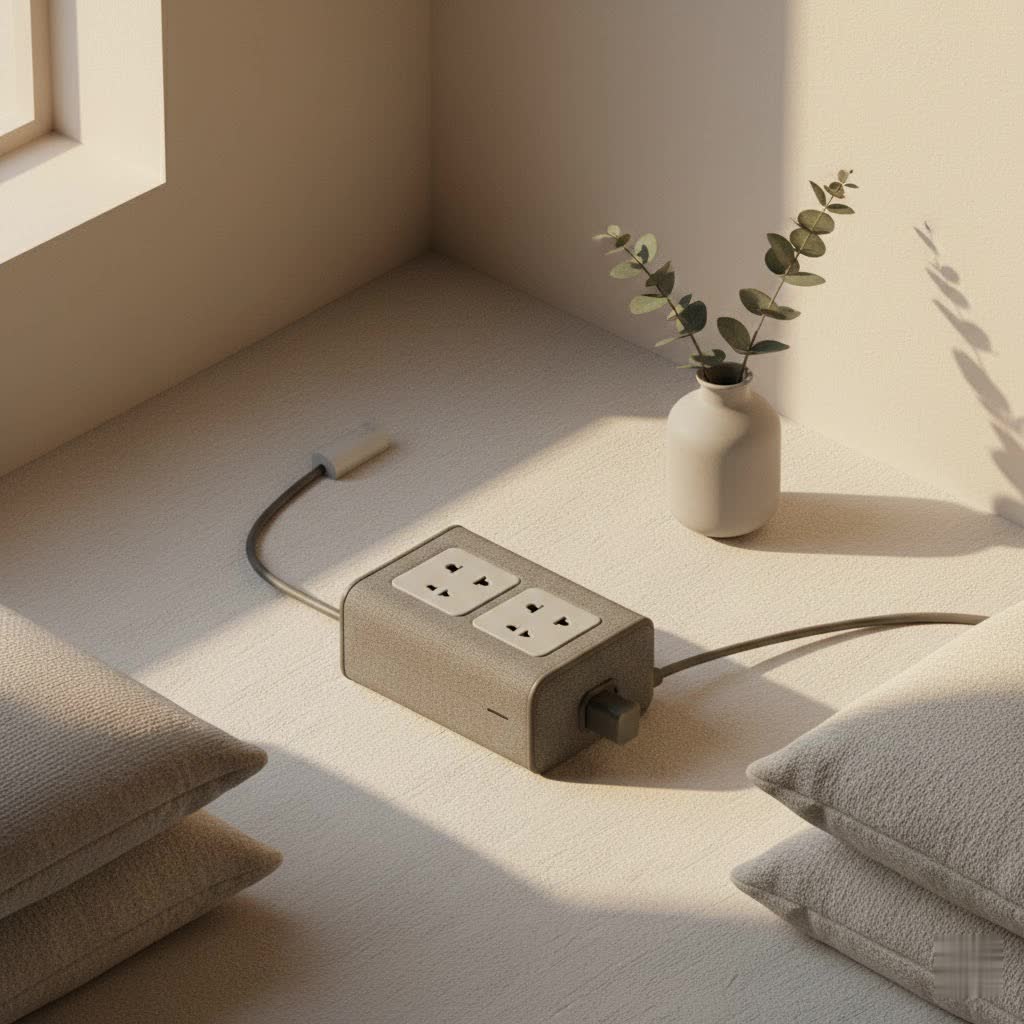
In our increasingly connected world, juggling a multitude of electronic devices has become the norm. From the essential gadgets that power our home offices to the entertainment systems that bring our living rooms to life, each device demands a reliable power source. Often, we find ourselves grappling with a scarcity of wall outlets, leading to cluttered spaces and the unsafe practice of daisy-chaining multiple smaller strips. This is where the robust 12 outlet power strip emerges as a game-changer, offering an expansive and organized solution to power all your electronics safely and efficiently.
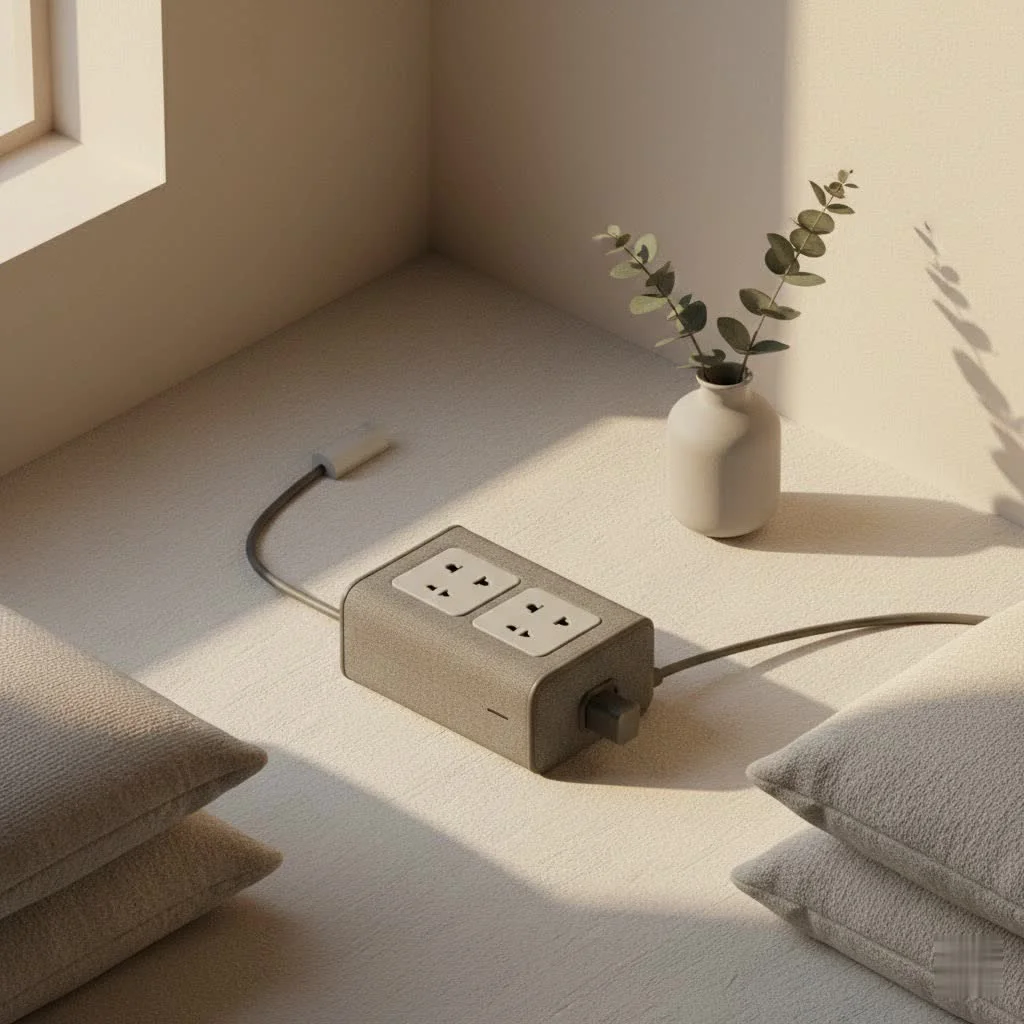
What is a Power Strip, and Why Do You Need a 12 Outlet Version?
A power strip, also known as an extension block or multi-outlet strip, is a device that provides multiple electrical outlets from a single wall socket. While basic power strips simply expand the number of available outlets, many modern versions incorporate crucial safety features like surge protection. Opting for a 12 outlet power strip, specifically, addresses the common problem of insufficient outlets, allowing you to power a larger array of devices without compromise. For explore our power strips reviews on this site.
The primary benefit of a 12 outlet power strip is its sheer capacity, providing ample room for computers, monitors, gaming consoles, smart home devices, and more, all from one central point. This not only reduces cable clutter and simplifies organization but also mitigates the risks associated with overloading individual wall outlets or unsafe chaining of smaller strips. Moreover, many 12-outlet models come equipped with advanced protection features, making them an indispensable accessory for safeguarding your valuable electronics.
Types of 12 Outlet Power Strips: Finding Your Perfect Match
The market offers a diverse range of 12 outlet power strips, each designed with specific functionalities and user needs in mind. Understanding these variations will help you choose the ideal power strip for your setup.
- Standard 12-Outlet Power Strips: These offer basic multiple outlets without advanced features. They are suitable for devices that don’t require surge protection or smart functionalities, primarily focusing on expanding outlet availability.
- 12-Outlet Surge Protectors: Essential for protecting sensitive electronics, these power strips include surge protection to shield devices from voltage spikes caused by lightning strikes, power outages, or grid fluctuations. Look for a high Joules rating (e.g., 2880 Joules or higher) for superior protection, as well as features like automatic shutdown, which cuts power when protection degrades. Many also come with connected equipment warranties, offering an added layer of security.
- 12-Outlet Power Strips with USB Ports: Recognizing the prevalence of USB-powered devices, many 12-outlet strips integrate USB-A and/or USB-C charging ports, often with fast-charging capabilities. This eliminates the need for bulky wall adapters, freeing up AC outlets and simplifying charging for smartphones, tablets, and other gadgets.
- Smart 12-Outlet Power Strips: These intelligent power strips can connect to your home Wi-Fi network, allowing for remote control of individual outlets via a smartphone app or voice assistants. Features like scheduling, energy monitoring, and compatibility with smart home ecosystems provide enhanced convenience and energy efficiency.
- Varied Designs: While traditional horizontal bar designs are common, 12-outlet power strips also come in space-saving tower configurations, which are excellent for desktops or entertainment centers. Some feature pivot-plugs or widely spaced outlets to accommodate bulky power adapters without obstructing adjacent sockets. Others offer wall-mount options for a cleaner setup.
Comparing Popular 12 Outlet Power Strip Features
|
Our Picks for the Best Power Strip in 2026
As an Amazon Associate I earn from qualifying purchases.
|
||
| Num | Product | Action |
|---|---|---|
| 1 | 6 Ft Surge Protector Power Strip - 8 Widely Outlets with 4 USB Ports, 3 Side Outlet Extender with 6 Feet Extension Cord, Flat Plug, Wall Mount, Desk USB Charging Station, ETL,White |

|
| 2 | Amazon Basics Rectangle 6-Outlet, 600 Joule Surge Protector Power Strip, 2ft, Black, Small, 2-Pack |
|
| 3 | Pink Extension Cord with Surge Protector - 5 FT Kawaii Power Strip, Cute Extension Cord with 6 USB(3 USB C) and 8 Outlets, Pink Desk Accessories for Girl Cute Kawaii Room Decor Gifts Office Dorm Home |
|
| 4 | 3FT Ultra Flat Plug Extension Cord Power Strip with 3 Outlets, Patented Detachable Ultra-Thin Outlet Cover Concealer & Ultra-Flat Plug, Max. 13A 125V 1625W ETL Listed, White Color |
|
| 5 | Amazon Basics Surge Protector Power Strip, 6-Outlet, 790 Joules, LED Indicator, 6ft Extension Cord, White |
|
| 6 | Amazon Basics Surge Protector Power Strip, 6-Outlet with 200J Protection, 2ft Extension Cord, Rectangle, Black (2 Pack) |
|
| 7 | Belkin 12-Outlet Surge Protector Power Strip w/ 12 AC Outlets & 8ft Flat Plug, UL-listed Heavy-Duty Extension Cord for Home, Office, Travel, Computer, Laptop, Charger - 3,940 Joules of Protection |
|
| 8 | Surge Protector Power Strip - CHCORE 5Ft Braided Extension Cord with 8 Outlets with 4 USB (2 USB C) Charging Ports, Flat Plug Multi Plug Outlet Extender Charging Station for Home Office, ETL, White |
|
| 9 | Surge Protector Power Strip - HANYCONY 8 Outlets 4 USB (2 USB C) Charging Ports, Multi Plug Outlet Extender, 5Ft Braided Extension Cord, Flat Plug Wall Mount Desk Charging Station for Home Office ETL |
|
| 10 | 10 Ft Ultra Thin Extension Cord, 5-Outlet Power Strip Surge Protector with 4 USB Ports (2 USB C), 1875W/15A, Low Profile Flat Plug, 1700 Joules, Wall Mount for Home Office, White |
|
When exploring 12-outlet power strips, certain features consistently appear as crucial for performance, safety, and user convenience.
| Feature | Description | Benefit |
|---|---|---|
| Surge Protection | Measured in Joules, this indicates how much energy the strip can absorb before failure. Higher Joules (e.g., 2880J, 4320J) mean better protection. | Safeguards electronics from power spikes and surges, extending device lifespan. |
| USB Charging Ports | Integrated USB-A and/or USB-C ports, often with fast-charging (e.g., USB-C PD). | Conveniently charge phones, tablets, and other USB devices without needing AC adapters. |
| Wide-Spaced Outlets | Outlets strategically spaced further apart. | Accommodates bulky power bricks and adapters without blocking adjacent sockets. |
| Cord Length | Available in various lengths (e.g., 6ft, 8ft, 25ft) to suit different placement needs. | Provides flexibility in positioning the power strip relative to the wall outlet. |
| Safety Certifications | Certifications like UL or ETL ensure the product meets recognized safety standards. | Guarantees the product has been tested for electrical safety, preventing fire hazards. |
| Circuit Breaker | An integrated switch that automatically trips to prevent overload when too much current is drawn. | Protects the power strip and connected devices from damage due to excessive power draw. |
| Indicator Lights | LEDs that show power status, surge protection status, and grounding. | Provides visual confirmation that your devices are protected and the strip is functioning. |
| Smart Features | Wi-Fi connectivity for app control, voice assistant integration, scheduling, and energy monitoring. | Offers remote management, automation, and insights into energy consumption. |
How to Choose a 12 Outlet Power Strip: Key Considerations
Selecting the right 12 outlet power strip requires a thoughtful assessment of your specific environment and equipment. Here’s a comprehensive guide to help you make an informed decision.
1. Determine Your Usage Needs:
Before anything else, consider what you’ll be plugging in. How many devices do you currently have, and how many might you add in the future? Do these devices include bulky adapters that require wider spacing? Do you need USB charging for phones and tablets, or perhaps USB-C Power Delivery for laptops? Identifying these needs will guide your selection towards a model with the right number and type of outlets, as well as necessary features like surge protection or smart capabilities.
2. Prioritize Safety and Protection:
This is paramount, especially when connecting valuable or sensitive electronics.
- Surge Protection: Look for a power strip explicitly labeled as a “surge protector” rather than just an “extension cord.” The Joules rating is critical; higher numbers indicate greater protection against power surges. For expensive electronics like computers and home entertainment systems, aim for a surge protector with at least 2000 Joules, with some top-tier models offering over 4000 Joules.
- UL Certification: Ensure the power strip has a UL (Underwriters Laboratories) or similar safety certification (like ETL). This signifies that the product meets stringent safety standards.
- Overload Protection: A built-in circuit breaker is essential. This safety feature automatically cuts power if the strip becomes overloaded, preventing overheating and potential fires.
- Fire Resistance: Some power strips are constructed with fire-resistant materials, adding an extra layer of safety.
- Connected Equipment Warranty: Reputable brands often provide a warranty for equipment damaged by a surge while properly connected to their surge protector. This demonstrates confidence in their product’s protective capabilities.
3. Evaluate Technical Specifications:
- Max Wattage/Amperage: Check the power strip’s maximum wattage or amperage rating. The total power draw of all connected devices should not exceed this rating to prevent overloading.
- Cord Length and Gauge: Choose a cord length that comfortably reaches your wall outlet without needing an additional extension cord. A thicker cord (lower gauge number) indicates it can safely carry more current.
- Plug Type: Consider a power strip with a flat, right-angle plug if you need to place furniture close to the wall outlet.
4. Consider Design and Ergonomics:
- Outlet Spacing: As mentioned, wide-spaced outlets are invaluable for accommodating bulky power adapters without rendering adjacent outlets unusable. Pivot-plug designs offer even greater flexibility.
- Form Factor: A traditional horizontal strip works well under desks or behind entertainment centers. Tower designs are excellent for saving space on desktops and often provide easy access to outlets from multiple sides.
- Mounting Options: If you want a tidy setup, look for strips with keyholes for wall or desk mounting.
5. Read Reviews and Research Brands:
Customer reviews provide real-world insights into a product’s performance, durability, and user experience. Pay attention to feedback regarding outlet spacing, surge protection effectiveness, and overall build quality. Brands like Anker, Belkin, and Tripp Lite are frequently cited for their reliable power strips and surge protectors.
Top 12 Outlet Power Strips: What to Look For
While specific models may change, top-rated 12-outlet power strips consistently offer a blend of robust protection, smart design, and convenient features. They typically boast high Joules ratings for superior surge protection, ensuring your valuable electronics are shielded. Many integrate USB-A and USB-C ports, often with fast-charging capabilities, to cater to the diverse charging needs of modern devices. Look for models that prioritize wide-spaced outlets or pivot designs, which are crucial for accommodating bulky power adapters without sacrificing connectivity. Additionally, features like a long, heavy-duty power cord, a resettable circuit breaker, and clear indicator lights for grounding and protection status are hallmarks of quality. Brands known for these attributes often provide peace of mind through comprehensive warranties, sometimes including insurance for connected equipment.
Tips for Safe and Efficient 12 Outlet Power Strip Use
Even the best 12-outlet power strip requires responsible usage to ensure safety and longevity.
- Never Overload: Always be mindful of the power strip’s maximum wattage or amperage rating. Plugging in too many high-power devices can exceed this limit, leading to overheating, tripping the circuit breaker, or even electrical fires.
- Avoid “Daisy-Chaining”: Do not plug one power strip into another. This practice, known as “daisy-chaining,” significantly increases the risk of overloading circuits and is a major fire hazard.
- Use in Dry Environments: Power strips are designed for indoor use in dry conditions. Avoid using them in bathrooms, kitchens (near sinks), outdoors, or in any area where they might be exposed to moisture.
- Regular Inspection: Periodically check the power strip, its cord, and the plugs for any signs of damage, fraying, discoloration, or loose connections. If you notice any issues, immediately unplug the strip and replace it.
- Replace Old or Damaged Units: Power strips, especially surge protectors, have a lifespan. Surge protectors degrade with each surge they absorb. If your surge protector’s “protection” indicator light goes out, or if the unit is old or visibly damaged, it’s time for a replacement.
- Practice Cable Management: Use cable ties, sleeves, or clips to manage the numerous cords connected to your 12-outlet power strip. This reduces clutter, improves airflow, and prevents tripping hazards.
Conclusion
A 12 outlet power strip is far more than just an extension cord; it’s a critical component for managing and protecting your growing array of electronic devices. By offering abundant connectivity, superior surge protection, and thoughtful design features like wide-spaced outlets and USB charging, it transforms chaotic tangles into organized, safe power hubs. Choosing the right one—one that matches your specific needs, boasts strong safety credentials, and is used responsibly—can significantly enhance your daily convenience while safeguarding your valuable electronics from unexpected power events. Invest wisely in a quality 12-outlet power strip, and experience the peace of mind that comes with a truly connected and protected environment.
Frequently Asked Questions
What is the difference between a power strip and a surge protector?
While both provide multiple outlets, a power strip merely extends the number of available sockets. A surge protector, however, includes components that divert excess electrical voltage away from connected devices, safeguarding them from damaging power spikes and surges.
Can I plug a microwave or refrigerator into a 12 outlet power strip?
Generally, no. High-power appliances like microwaves, refrigerators, space heaters, or air conditioners should always be plugged directly into a wall outlet. Their high power draw can easily overload a power strip, even a 12-outlet model, posing a significant fire risk.
How many joules do I need for effective surge protection?
For general home electronics, a surge protector with a rating of at least 1000 Joules is recommended. For more sensitive and expensive equipment like computers, gaming systems, or home theater setups, look for 2000 Joules or higher, with premium models offering 4000+ Joules for maximum protection.
Are smart 12-outlet power strips worth the investment?
Smart 12-outlet power strips offer enhanced convenience and energy management through features like remote control, scheduling, and energy monitoring via an app or voice assistant. If you value automation, desire greater control over your devices, or want to reduce phantom power draw, then the added investment can be well worth it.
How long do power strips and surge protectors typically last?
A basic power strip can last many years, but surge protectors have a finite lifespan. Their protective components degrade with each surge absorbed, whether a major spike or small, undetectable fluctuations. It’s generally recommended to replace surge protectors every 3-5 years, or immediately if they have sustained a major surge or if the protection indicator light turns off.
Get our weekly buyer guide
Practical specs, not advice. Unsubscribe anytime.
