In today’s interconnected world, almost every aspect of our lives relies on electronic devices. From essential home appliances to critical office equipment, keeping everything powered can quickly turn a single wall outlet into a chaotic tangle of cords. This is where the unassuming yet indispensable Power Socket Strip comes into play. As a seasoned technician with over a decade of experience in electrical equipment, particularly power strips, I’ve witnessed their evolution from basic multi-outlet solutions to sophisticated smart hubs. This guide will cut through the noise, providing you with the essential knowledge and expert insights to choose the perfect power socket strip that meets your needs, enhances convenience, and, most importantly, ensures the safety of your valuable electronics.
What is a Power Socket Strip? Why Do You Need One?
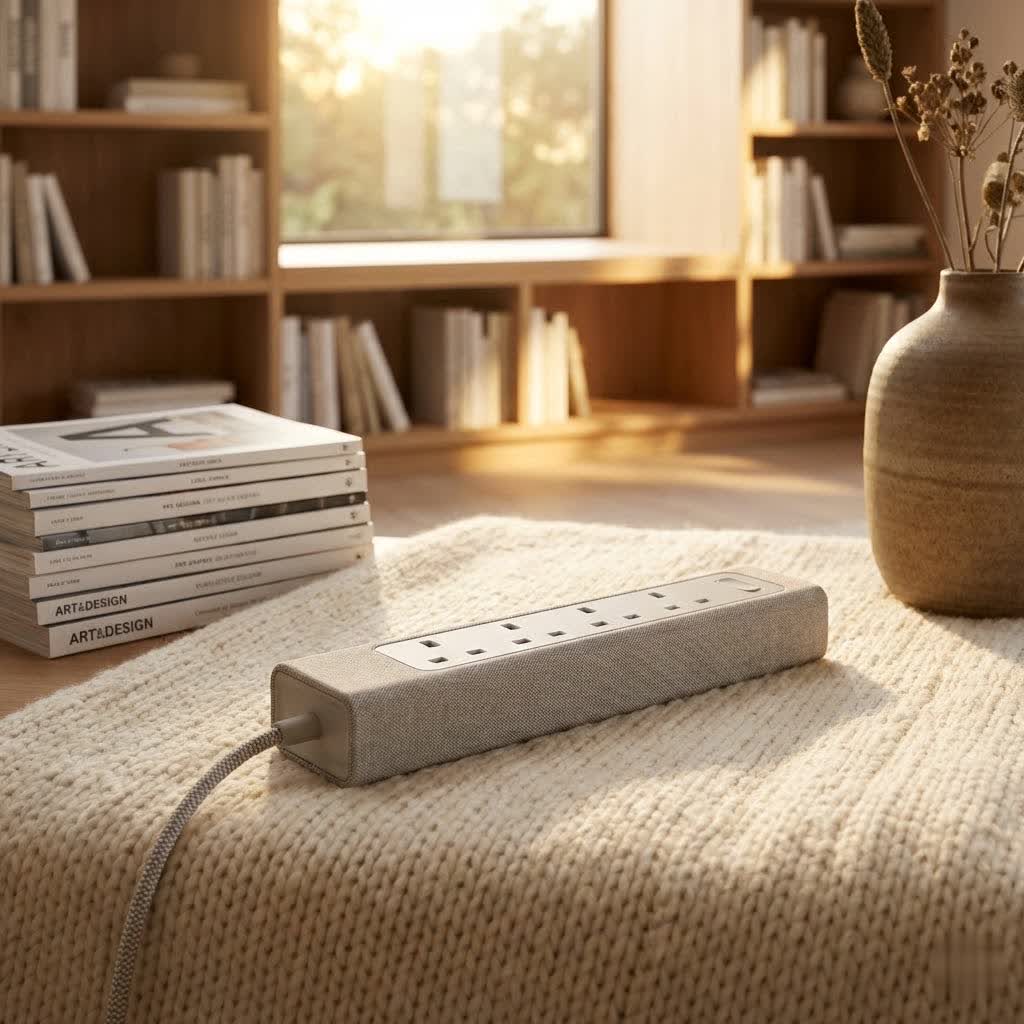
A power socket strip, commonly known as a power strip or extension block, is an electrical device designed to convert a single electrical wall outlet into multiple outlets. This simple yet effective solution allows you to power several electronic devices simultaneously from one power source. Beyond merely increasing the number of available outlets, modern power socket strips play a crucial role in safeguarding your equipment and streamlining your workspace.
The primary importance of a power socket strip lies in its ability to address the common problem of limited wall outlets in homes and offices. Instead of struggling to find an available socket for every gadget, a power strip consolidates connections, making power access convenient and organized. Many advanced models also integrate protective features, which are vital for extending the lifespan of your electronics and preventing potential electrical hazards.
On the market today, you’ll find a variety of power socket strip types, each tailored to different needs and environments. These range from basic models that simply multiply outlets to sophisticated units with surge protection, smart capabilities, and specialized designs for specific applications. Understanding these variations is the first step toward making an informed choice.
Classifying Power Socket Strips: Finding Your Perfect Match
Power socket strips come in various configurations and with diverse functionalities, making it essential to understand the different types available to select one that perfectly aligns with your requirements. The classification often revolves around the number of outlets, integrated features, and design.
By Number of Outlets
The most straightforward classification is by the number of sockets it provides. This choice primarily depends on how many devices you intend to connect.
- 3-Outlet Power Socket Strip: These compact strips are ideal for basic needs, such as powering a laptop and a couple of peripherals in a small workspace or for travel. They are often minimalist in design and highly portable.
- 5-6 Outlet Power Socket Strip: This is arguably the most popular choice for general home and office use. They offer a good balance of capacity and manageability, suitable for desktop computers, entertainment systems, or kitchen appliances.
- 8+ Outlet Power Socket Strip: For demanding setups with numerous devices—like extensive home theaters, gaming stations, or professional workstations—strips with eight or more outlets are necessary. Some even come in tower or vertical designs to save space and provide easy access to all sockets.
|
Our Picks for the Best Power Strip in 2026
We may earn a commission when you use one of our links to make a purchase.
|
||
| Num | Product | Action |
|---|---|---|
| 1 | Surge Protector Power Strip - CHCORE 5Ft Braided Extension Cord with 8 Outlets with 4 USB (2 USB C) Charging Ports, Flat Plug Multi Plug Outlet Extender Charging Station for Home Office, ETL, White |

|
| 2 | Surge Protector Power Strip - HANYCONY 8 Outlets 4 USB (2 USB C) Charging Ports, Multi Plug Outlet Extender, 5Ft Braided Extension Cord, Flat Plug Wall Mount Desk Charging Station for Home Office ETL |
|
| 3 | 10 Ft Ultra Thin Extension Cord, 5-Outlet Power Strip Surge Protector with 4 USB Ports (2 USB C), 1875W/15A, Low Profile Flat Plug, 1700 Joules, Wall Mount for Home Office, White |
|
| 4 | Amazon Basics Rectangle 6-Outlet, 600 Joule Surge Protector Power Strip, 2ft, Black, Small, 2-Pack |
|
| 5 | 6 Ft Surge Protector Power Strip - 8 Widely Outlets with 4 USB Ports, 3 Side Outlet Extender with 6 Feet Extension Cord, Flat Plug, Wall Mount, Desk USB Charging Station, ETL,White |
|
| 6 | Amazon Basics Surge Protector Power Strip, 6-Outlet, 790 Joules, LED Indicator, 6ft Extension Cord, White |
|
| 7 | Belkin 12-Outlet Surge Protector Power Strip w/ 12 AC Outlets & 8ft Flat Plug, UL-listed Heavy-Duty Extension Cord for Home, Office, Travel, Computer, Laptop, Charger - 3,940 Joules of Protection |
|
| 8 | Amazon Basics Surge Protector Power Strip, 6-Outlet with 200J Protection, 2ft Extension Cord, Rectangle, Black (2 Pack) |
|
| 9 | 3FT Ultra Flat Plug Extension Cord Power Strip with 3 Outlets, Patented Detachable Ultra-Thin Outlet Cover Concealer & Ultra-Flat Plug, Max. 13A 125V 1625W ETL Listed, White Color |
|
| 10 | Pink Extension Cord with Surge Protector - 5 FT Kawaii Power Strip, Cute Extension Cord with 6 USB(3 USB C) and 8 Outlets, Pink Desk Accessories for Girl Cute Kawaii Room Decor Gifts Office Dorm Home |
|
By Features
Beyond just the number of outlets, modern power socket strips incorporate a range of features that enhance safety, convenience, and energy efficiency.
- Standard Power Socket Strip: These are the most basic models, offering multiple outlets without additional protective or smart features. They are cost-effective for devices that don’t require surge protection.
- Surge Protector Power Socket Strip: Crucial for sensitive electronics, these strips include internal components (like Metal Oxide Varistors or MOVs) that divert excess voltage away from connected devices during power surges or spikes. They often feature an indicator light to show when the surge protection is active and typically have a Joules rating, indicating the amount of energy they can absorb.
- Smart Power Socket Strip: Integrating Wi-Fi connectivity, smart power strips allow for remote control via smartphone apps or voice assistants (like Amazon Alexa or Google Assistant). Features often include individual outlet control, scheduling, timers, and energy monitoring, enabling users to reduce “vampire” power drain and automate device management.
- USB Power Socket Strip: Many power socket strips now include built-in USB-A and sometimes USB-C charging ports, eliminating the need for separate charging bricks. This is particularly convenient for charging smartphones, tablets, and other USB-powered devices directly.
- Energy-Saving Power Socket Strip: These advanced strips can detect when a primary device (like a TV or computer) is turned off or goes into standby mode and automatically cut power to associated peripheral outlets, further reducing energy consumption.
By Design
The physical design of a power socket strip can significantly impact its usability and aesthetics in different environments.
- Standard Strip Design: The most common form, a long bar with outlets arranged in a line.
- Tower Power Socket Strip: Featuring multiple facets with outlets, these vertical designs are excellent for saving space and preventing bulky adapters from blocking adjacent sockets.
- Circular/Disc Power Socket Strip: A compact, often aesthetically pleasing design where outlets are arranged radially, making it easier to plug in various adapter shapes without interference.
- Travel Power Socket Strip: These are typically small, lightweight, and often include universal adapters and USB ports, making them perfect companions for international travel.
- Mountable Power Socket Strip: Designed with mounting holes, these can be securely attached to walls, desks, or under cabinets for a fixed and tidy power solution.
Comparing Popular Power Socket Strip Types
To simplify your decision, here’s a comparative overview of the most common power socket strip types:
| Feature/Type | Standard Power Socket Strip | Surge Protector Power Socket Strip | Smart Power Socket Strip | USB Power Socket Strip |
|---|---|---|---|---|
| Purpose | Outlet expansion | Outlet expansion & device protection | Outlet expansion & smart control | Outlet expansion & USB charging |
| Outlets | 3-12+ AC outlets | 3-12+ AC outlets | 4-8+ Smart AC outlets | 3-8+ AC outlets, 2-6 USB ports |
| Protection | None | Surge protection (Joules rating), circuit breaker | Surge protection, circuit breaker, often overheating protection | Often includes surge protection, circuit breaker |
| Connectivity | None | None | Wi-Fi (remote control, voice assistants) | None (unless also smart) |
| Energy Management | Limited (manual on/off switch) | Limited (manual on/off switch) | Scheduling, energy monitoring, auto shut-off | Limited (manual on/off switch) |
| Ideal For | Basic devices, temporary use | PCs, TVs, home electronics, sensitive equipment | Smart homes, offices, energy-conscious users | Charging multiple devices, modern workspaces |
| Pros | Affordable, simple | Protects valuable electronics | Remote control, automation, energy savings | Convenient charging for mobile devices |
| Cons | No protection from surges | Can be more expensive than basic, protection degrades over time | Higher cost, requires Wi-Fi, potential setup complexity | USB charging speeds can vary |
| Price Range | Low | Medium | High | Medium-High |
“Choosing the right power strip isn’t just about adding more outlets; it’s about safeguarding your investments and optimizing your electrical setup for efficiency and peace of mind.” – Tech Reviewer, reviewsmir.com
How to Buy a Power Socket Strip: Key Considerations
Selecting the best power socket strip involves more than just picking one with enough outlets. A methodical approach ensures you get a safe, efficient, and suitable product for your specific needs.
1. Identify Your Usage Needs
Before anything else, define what you need the power socket strip for:
- Number of Devices: Count how many AC-powered devices you need to plug in. Factor in devices with bulky power adapters that might block adjacent outlets.
- Location: Where will the strip be used? A desk, entertainment center, garage, or for travel? This impacts cord length, design, and mounting options.
- Required Features: Do you need surge protection for sensitive electronics? USB charging ports for mobile devices? Or smart features for remote control and energy monitoring?
- High-Power Appliances: Power strips are generally not designed for high-wattage appliances like space heaters, microwaves, refrigerators, or power tools. These should always be plugged directly into a wall outlet to prevent overloading and fire hazards.
2. Choose a Reputable Brand
Quality matters significantly when it comes to electrical safety. Opt for brands known for reliability and safety standards.
- Trusted Manufacturers: Brands like Anker, Belkin, Tripp Lite, Kasa (TP-Link), and Eaton are well-regarded in the industry for their power strips and surge protectors.
- Warranty and Support: Check the warranty policy and customer service options. A good warranty, especially for connected equipment protection on surge protectors, indicates manufacturer confidence.
3. Check Technical Specifications
Understanding these specifications is crucial for safety and performance.
- Maximum Power Rating (Wattage/Amperage): Ensure the strip’s maximum wattage (e.g., 1875W for a typical 15A/125V strip) can handle the combined load of your devices. Overloading is a common cause of electrical hazards.
- Surge Protection (Joules): For surge protectors, a higher Joules rating (e.g., 1000-4000+) indicates greater capacity to absorb energy spikes, offering better protection for sensitive electronics.
- Safety Standards (UL-Listed/ETL Certified): Always look for certification marks like “UL Listed” or “ETL Certified,” indicating the product meets stringent safety standards in North America.
- Circuit Breaker: A built-in circuit breaker is essential, as it automatically cuts power if the strip is overloaded, preventing overheating and potential fires.
4. Compare Prices
While price is a factor, prioritize safety and features over cost alone.
- Value for Money: Consider the long-term protection and convenience a quality power socket strip offers versus the potential cost of damaged electronics or fire hazards from a cheap, uncertified unit.
- Shop Around: Compare prices from various retailers and online platforms, but be wary of deals that seem too good to be true, especially for critical safety devices.
5. Read User Reviews
Customer reviews provide real-world insights into a product’s performance and durability.
- Look for Consistent Feedback: Pay attention to common praises and complaints, especially regarding reliability, surge protection effectiveness, and potential issues like outlets being too close together.
- Consider Both Positive and Negative Reviews: A balanced perspective helps you anticipate potential pros and cons.
Top-Rated Power Socket Strips for Every Need
Based on current market trends, user reviews, and essential features, here are some categories and examples of highly-rated power socket strips:
- Best Overall Surge Protector: Tripp Lite Protect It 12-Outlet Surge Protector (High Joules rating, numerous outlets, robust protection).
- Best Value Smart Power Strip: Tapo P316M Smart Wi-Fi Power Strip (Excellent smart features, energy monitoring, good value).
- Best for Home & Office: Anker 351 Power Strip (Good balance of AC outlets and USB ports, reliable surge protection).
- Best Compact/Travel Option: Tessan Flat Plug Power Strip (Portable, well-spaced outlets, often includes USB).
- Best Tower Design: JACKYLED 1625W 13A Outlet Surge Electric Tower (Space-saving, multiple outlets and USB ports, individual switches).
(Note: Specific models and their features are subject to market availability and updates. Always check the latest product specifications before purchase.)
For purchasing, reputable electronics retailers, home improvement stores, and major online marketplaces are generally reliable sources.
Tips for Safe and Effective Power Socket Strip Use
Even the best power socket strip requires proper usage to ensure safety and longevity. Follow these crucial guidelines:
- Do Not Overload: Never exceed the maximum power rating (wattage or amperage) specified on your power socket strip. Overloading can cause overheating, tripping circuit breakers, or even fires. If the strip feels hot to the touch, or you notice flickering lights or buzzing sounds, unplug devices immediately.
- Avoid “Daisy-Chaining”: Never plug one power socket strip into another. This practice, known as “daisy-chaining,” significantly increases the risk of overloading and is a major fire hazard.
- Plug High-Wattage Appliances Directly: As mentioned, items like space heaters, air conditioners, microwaves, toasters, and refrigerators should always be plugged directly into a wall outlet, not a power strip. Their high power draw can easily overload a strip.
- Use Indoors Only (Unless Specified): Most power socket strips are designed for indoor use. Unless a product is specifically rated and labeled for outdoor use (with appropriate IP weather protection), keep it away from moisture and outdoor elements.
- Keep Uncovered: Never conceal a power socket strip under rugs, carpets, furniture, or other objects. Power strips generate heat, and covering them traps this heat, increasing the risk of an electrical fire. Ensure adequate ventilation around the strip.
- Inspect Regularly for Damage: Periodically check your power socket strips for signs of wear and tear, such as frayed cords, cracked casings, loose outlets, or burn marks. If you notice any damage, replace the strip immediately. A compromised strip is a significant safety risk.
- Turn Off When Not in Use: For power strips with an on/off switch, consider turning it off when devices are not in use. This not only saves energy by preventing “vampire drain” but also reduces electrical risk.
- Limit One Strip Per Wall Outlet: To avoid drawing excessive power from a single wall circuit, it’s generally recommended to use only one power socket strip per wall outlet.
Conclusion
The humble power socket strip is an essential tool for managing our increasingly device-dependent lives. From simply expanding your available outlets to providing sophisticated surge protection and smart control, the right power socket strip can offer both immense convenience and critical safety. By understanding the different types, carefully considering your needs, and adhering to crucial safety guidelines, you can make an informed choice that protects your valuable electronics and ensures a safe, efficient power setup in your home or office. Don’t underestimate the power of a well-chosen power socket strip; it’s a small investment that offers substantial returns in safety and functionality.
What are your favorite power socket strip brands or safety tips you swear by? Share your experiences in the comments below!
Frequently Asked Questions
What is the difference between a power socket strip and a surge protector?
A standard power socket strip simply expands one wall outlet into multiple, offering no protection from electrical fluctuations. A surge protector, however, includes components that divert excess voltage away from connected devices during power spikes, safeguarding them from damage.
Can I plug a refrigerator or a space heater into a power socket strip?
No, high-wattage appliances like refrigerators, space heaters, microwaves, air conditioners, or power tools should always be plugged directly into a wall outlet. These devices draw significant power and can easily overload a power socket strip, creating a severe fire hazard.
How do I know if my power socket strip has surge protection?
Surge protector power strips are typically labeled as such and will often have a Joules rating (e.g., 2000 Joules) indicating their capacity to absorb energy spikes. Many also feature an indicator light that shows when the surge protection is active and functioning correctly.
What does “UL Listed” mean for a power socket strip?
“UL Listed” means that Underwriters Laboratories, an independent safety science company, has tested the product and determined it meets their published standards for safety. Always look for this or an “ETL Certified” mark to ensure the power socket strip is safe and compliant with industry standards.
How can a smart power socket strip save energy?
Smart power socket strips can save energy by allowing you to remotely turn off individual outlets, set schedules for devices to power on/off, and sometimes even monitor energy consumption. This helps eliminate “vampire” power draw from devices in standby mode, reducing your electricity bill.